You can change your daily life from overwhelming to joyful by implementing simple, science-backed wellness routines that take just minutes to complete. Start with a 10-minute morning ritual combining meditation and gentle movement, then use the 4-7-8 breathing technique throughout your day—inhale for 4, hold for 7, exhale for 8. These micro-practices enhance productivity by 67% whilst reducing stress hormones. Track your progress using mood patterns and weekly reflection prompts to build lasting habits that stick beyond the initial six-week momentum phase.
Understanding the Science Behind Daily Self-Care Practices
While many people dismiss self-care as trendy wellness fluff, the science tells a dramatically different story. Your body responds to consistent self-care with measurable improvements.
Physical activity alone prevents 3.9 million premature deaths annually through better metabolic health. When you practise sleep hygiene, you’re directly enhancing academic performance and reducing stress levels. This becomes particularly relevant in South Africa’s demanding work culture.
Regular exercise and quality sleep directly combat workplace stress whilst delivering measurable health benefits for South African professionals.
The World Health Organisation recognises self-care as critical for managing diabetes and cardiovascular disease. Research demonstrates that people who engage in regular self-care practices experience significantly lower chronic disease rates compared to those who neglect these fundamental health behaviours.
Clinical studies prove structured self-care reduces anxiety and depression symptoms. Your brain actually changes when you engage in mindfulness practices, lowering perceived stress whilst improving mental clarity and emotional regulation. Self-care practices enhance increased productivity by 67% whilst simultaneously boosting happiness levels and overall well-being.
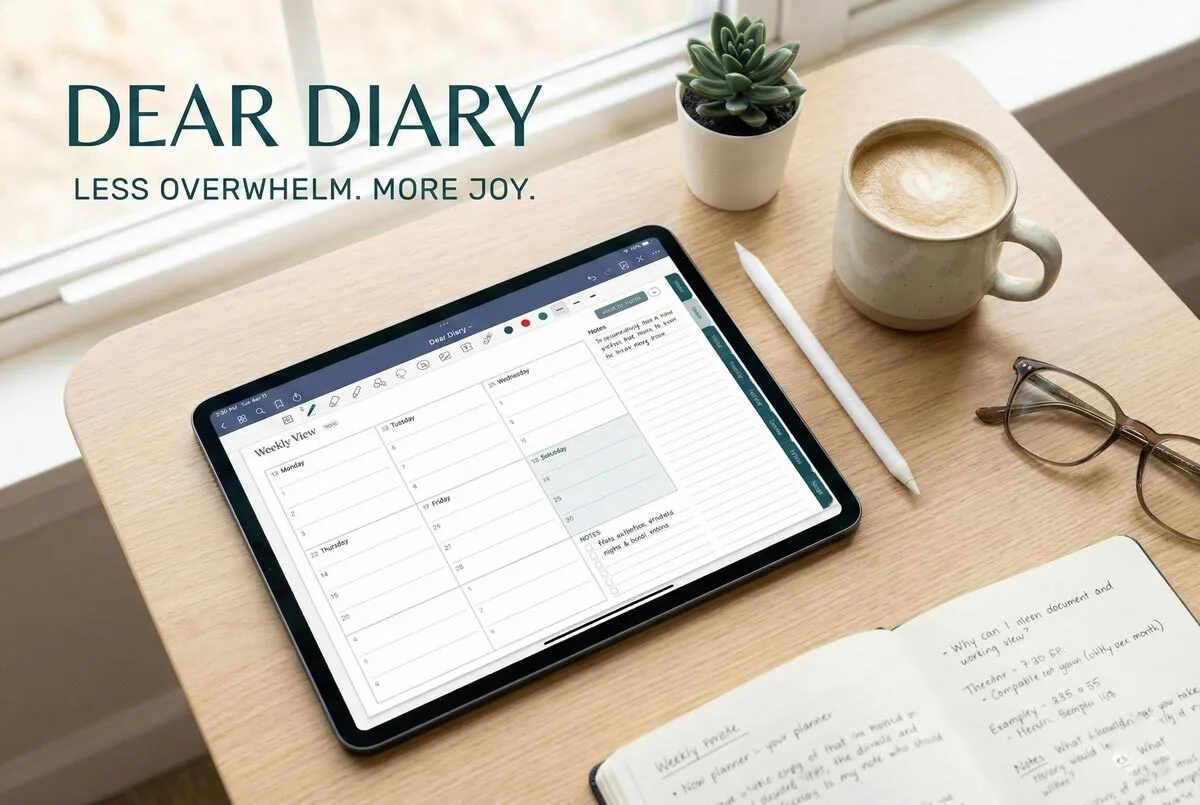
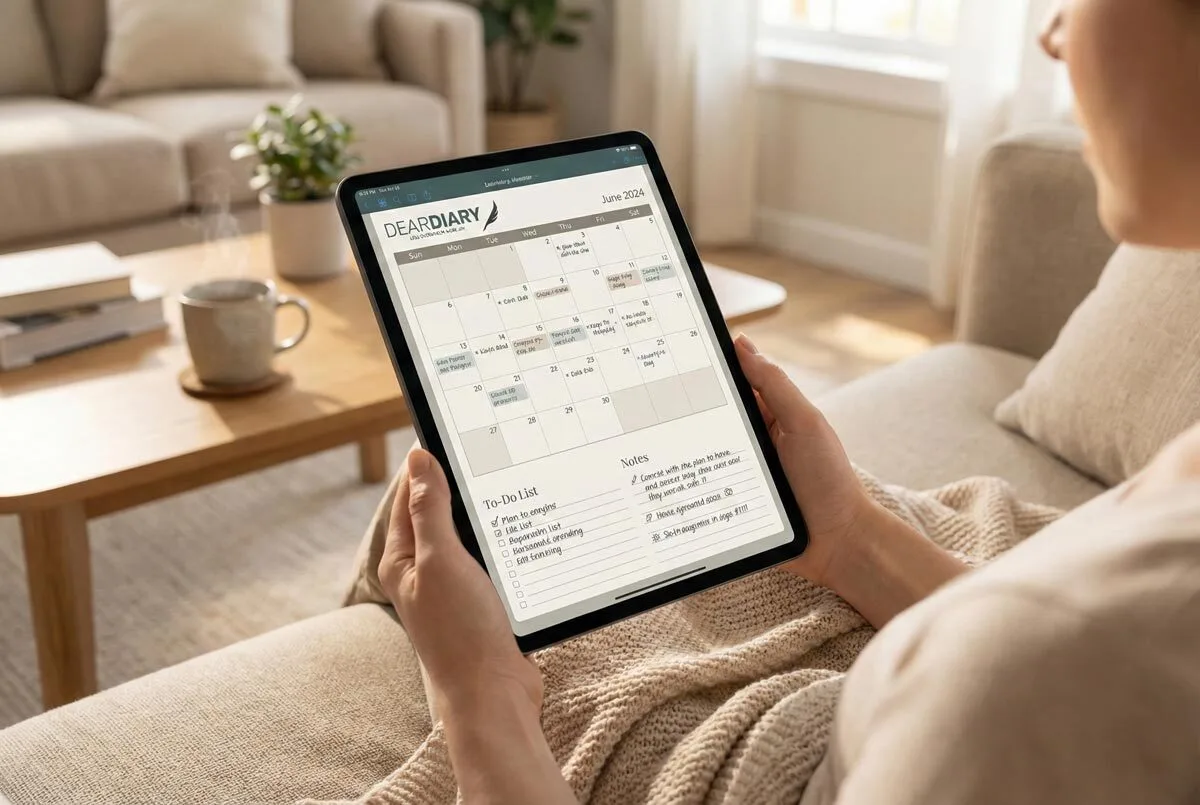
Self-care encompasses evidence-based medicines, devices, diagnostics, and digital tools that empower individuals to take charge of their health. These benefits are especially important given South Africa’s high stress levels related to socioeconomic challenges. A 2018 study demonstrates that medical students who practised self-care experienced higher quality of life alongside their reduced stress levels. Incorporating goal-tracking into your self-care routine provides structure and accountability that enhances the effectiveness of wellness practices. Planners can add meaningful joy to your daily wellness routine by helping you celebrate small wins whilst maintaining focus on both personal dreams and practical health tasks.
Creating Your Personalised Morning Wellness Ritual
Comprehending the scientific foundation naturally leads to practical application—building a morning ritual that works specifically for you in the South African context.
Start by selecting one practice from each category: foundational habits, mindfulness techniques, and physical alignment.
Choose 3-5 “must-dos” based on your schedule and energy levels. Time-block each activity—perhaps 10 minutes for meditation, 5 for breathwork, 15 for gentle movement.
Create a sacred space that’s uniquely yours. This could be a corner of your bedroom, a spot in your garden, or even a dedicated area on your stoep.
Combine practices when possible: walking meditation in your garden or local park hits movement, mindfulness, and sunlight exposure simultaneously.
Take advantage of South Africa’s beautiful morning light and fresh air. Consider waking before sunrise to align with nature’s rhythms and create peaceful personal time for your morning rituals.
Consider using a planner with daily planning pages to track your wellness routine and maintain consistency with your chosen practices. Many productivity & planning tools can help you develop sustainable habits that support your overall wellness journey.
Remember that regular practices can lead to smoother daily functioning, increased productivity, and an overall sense of wellbeing throughout your day.
Essential Stress Management Techniques for Busy Women
You’re juggling deadlines, meetings, and a never-ending to-do list—but you don’t need another hour-long commitment to manage stress effectively.
The most powerful stress-busting techniques for working women actually take just five minutes or less, with deep breathing leading the pack at a 4.2 out of 5 effectiveness rating amongst busy professionals.
Let’s investigate quick mindfulness strategies and workplace tools that’ll help you reset your nervous system between conference calls and client emails. A structured approach to habit tracking can help you maintain consistency with these wellness practices even during your busiest weeks.
Whether you’re building your own Instagram business or managing corporate responsibilities, incorporating these micro-wellness practices can transform how you handle daily pressures without requiring major schedule adjustments.
Quick Mindfulness Break Strategies
Because most women juggle fourteen different priorities before 9 AM, finding time for lengthy meditation sessions feels about as realistic as scheduling a spa day every Tuesday.
You need micro-strategies that fit your actual life.
These quick mindfulness breaks deliver measurable stress relief in minutes:
- Breathwork pauses: Take 1-minute inhale-hold-exhale cycles during deadlines to reset your mental focus. This works whether you’re stuck in Joburg traffic or managing morning chaos.
- Micro-breaks: Schedule 60-90 second intervals to prevent burnout and enhance productivity. Set your phone timer between meetings or household tasks.
- Pause-and-notice: Shift awareness to sounds or textures during repetitive tasks. Notice the sound of hadedas calling or the texture of your coffee mug.
Even 5-10 minutes creates significant improvements in emotional regulation and self-compassion.
These techniques work perfectly during load shedding when you’re forced to slow down anyway.
Research shows that community support increases goal achievement by 76%, making these mindfulness practices even more effective when shared with like-minded women.
Consider incorporating these moments into your daily planning routine to track wellness goals alongside your gratitude and special occasion reflections.
Workplace Stress Relief Tools
While your calendar overflows with back-to-back meetings and your inbox multiplies faster than neighbourhood gossip, workplace stress doesn’t have to dictate your entire day.
You’ve got powerful tools at your fingertips.
Deep breathing works best—45% of professionals use it, rating effectiveness at 4.2 out of 5. Take three minutes between calls for controlled breaths.
Micro-practices during breaks maximise results without interfering with workflow. Transform walking meetings into stress relief. Use lunch breaks for meditation sessions.
Set limits by scheduling personal time like you’d schedule client meetings. Track what works; 4-5 weekly sessions deliver ideal benefits.
For busy women seeking comprehensive organisation, combining stress management with structured planning helps create the mental clarity needed to maintain wellness routines consistently.
Consider incorporating a daily practice of documenting your stress patterns and victories in a journal with habit trackers to develop consistent stress management routines.
Maximising Your Dear Diary Planner for Wellness Tracking
Most people treat their planners like glorified to-do lists, missing out on their true potential as wellness tracking powerhouses. Your diary planner can dramatically improve your physical and mental health when you track the right data points.
Transform your wellness tracking with these strategic approaches:
- Document mood patterns alongside daily habits – Log emotions, sleep quality, and exercise to identify what actually impacts your wellbeing. This systematic approach helps you understand your personal wellness patterns.
- Create accountability through reflection prompts – Ask yourself weekly questions about progress and setbacks. Regular self-assessment keeps you connected to your wellness journey.
- Combine gratitude entries with symptom tracking – Balance positive psychology with practical health monitoring for thorough self-awareness. This dual approach ensures you’re nurturing both mental resilience and physical wellness.
Your planner becomes a comprehensive tool for understanding your complete health picture.
Building Emotional Resilience Through Mindfulness Exercises
When life throws curveballs at you—job stress, relationship conflicts, or unexpected crises—your brain’s default response is often emotional hijacking.
Your brain’s autopilot kicks into emotional overdrive when stress hits, hijacking rational thought before you even realise what’s happening.
But here’s the thing: mindfulness literally rewires your prefrontal cortex, thickening areas that control attention and emotion regulation.
You’re not just breathing deeply; you’re building neural highways for resilience.
Start with five-minute daily sessions focussing on body awareness. This activates your anterior insula, strengthening the mind-body connection that predicts emotional stability.
Regular practice decreases cortisol levels and increases cognitive flexibility—essential tools for navigating life’s inevitable storms with grace instead of panic.
Quick Five-Minute Relaxation Techniques for Instant Calm
When stress hits and you need immediate relief, you don’t have time for hour-long meditation sessions or complex wellness routines.
The good news is that research-backed relaxation techniques can shift your nervous system from fight-or-flight to calm in just five minutes.
Let’s investigate two powerful approaches: strategic breathing methods that reset your autonomic responses, and simple movement-based practices that release physical tension stored in your muscles.
Breathing Techniques for Calm
Your racing thoughts and tightened chest don’t have to control your day – five simple breathing techniques can shift your nervous system from chaos to calm in minutes.
These methods work by activating your parasympathetic nervous system whilst reducing cortisol levels. They’re particularly effective during Johannesburg’s high-stress traffic or demanding work situations.
- 4-7-8 Method: Inhale for 4 seconds, hold for 7, exhale for 8 to trigger immediate relaxation. This technique works whether you’re in a Cape Town office or relaxing at home.
- Physiological Sigh: Take a quick inhale followed by an extended exhale to reset CO2 levels.
- Diaphragmatic Breathing: Focus on belly movement instead of chest breathing to stimulate your vagus nerve. This method is especially helpful during South Africa’s high-altitude adjustments or stressful moments.
Just 1-3 cycles provide emergency stress relief anywhere, no equipment required.
Perfect for load shedding anxiety or daily workplace pressures.
Movement-Based Stress Relief
Movement converts stress from an internal storm into physical release – and you don’t need a gym membership or hour-long workout to feel the difference.
Progressive muscle relaxation works wonders: tense your toes for five seconds, then release for ten. Notice that tension melting away. Move systematically from feet to face, breathing deeply throughout.
Cat-cow stretches free spinal tension in minutes.
Even a brisk five-minute walk triggers endorphin release, counteracting cortisol’s grip on your nervous system.
Your body craves this physical outlet – it’s designed to move stress through action, not store it in tight shoulders and clenched jaws.
Establishing Healthy Boundaries in Work and Personal Life
Although the modern workplace promises flexibility and connection, it’s systematically erasing the line between your professional and personal life—and that’s costing you more than you realise.
Research shows blurred limits directly correlate with emotional exhaustion and reduced well-being. You’re not just tired—you’re depleting your mental reserves. This affects South African professionals across all industries, from corporate offices in Johannesburg to remote workers in Cape Town.
Here’s how to reclaim control:
- Set communication limits: Define specific hours for work emails and calls. Many South African companies are adopting policies that respect after-hours boundaries.
- Create physical separation: Designate workspace areas that you can “leave”. Whether you’re working from a flat in Durban or a home office in Pretoria, establish clear physical boundaries.
- Practise saying no: Decline requests outside your defined role and capacity. This skill becomes crucial in South Africa’s demanding work culture where extended hours are often expected.
Healthy limits aren’t selfish—they’re essential for sustained performance and genuine happiness. In a country where work-life balance is increasingly challenging, setting boundaries protects both your career longevity and personal wellness.
The Power of Gratitude Journaling for Mental Health
When life feels overwhelming and negative thoughts dominate your mental space, gratitude journaling offers a scientifically-backed pathway to recalibrate your mindset and improve your psychological well-being.
Research shows gratitude interventions reduce anxiety symptoms by 7.76% and depressive symptoms by 6.89%. You’ll interrupt negative thought patterns whilst strengthening social bonds.
| Simple Daily Prompts | Weekly Reflections | Monthly Challenges |
|---|---|---|
| What made you smile today? | Three people who supported you this week | Write a thank-you letter to someone special |
| Name one small blessing | Describe a meaningful moment | List 10 things you previously took for granted |
| What comfort brought you peace? | Identify a personal growth experience | Reflect on overcome challenges |
| Which relationship felt supportive? | Celebrate a recent accomplishment | Acknowledge your progress this month |
| What simple pleasure surprised you? | Recognise an act of kindness received | Plan gratitude expressions for others |
Start with five-minute daily sessions focusing on minor blessings. This practice becomes particularly powerful in South Africa’s diverse communities where ubuntu and interconnectedness form the foundation of our social fabric. Regular gratitude journaling helps you recognise the abundance that exists even during challenging times.
Mood Tracking Strategies That Actually Work
While tracking your daily emotions might sound like another wellness trend destined for your digital graveyard, research reveals that consistent mood monitoring delivers clinically significant results—reducing anxiety and depression symptoms with the same validity as traditional paper assessments.
Effective mood tracking requires strategic implementation. Choose simple tools**** that capture daily variations without overwhelming complexity. Many South Africans find success with basic smartphone apps or even simple journal entries.
Simple tracking tools beat complex systems—basic smartphone apps or journal entries capture daily mood variations without creating overwhelming data collection burdens.
Focus on pattern recognition**** to identify recurring triggers and emotional shifts. This becomes particularly valuable when navigating the unique stressors of South African life, from load shedding schedules to economic uncertainties.
Create feedback loops** by reviewing your data weekly to reinforce positive persistence. Regular reflection helps you spot connections between external events and your emotional responses. The practice builds resilience** over time.
The key isn’t perfect tracking—it’s consistent awareness that breaks negative thought cycles and builds emotional intelligence. Start small and maintain the habit rather than aiming for comprehensive data collection.
Physical Movement Integration for Mind-Body Wellness
Since your brain and body operate as an integrated system rather than separate entities, the most effective wellness strategies employ this connection through intentional movement practices.
You don’t need vigorous workouts to access significant mental health benefits. Research shows any movement—even 20 minutes daily—releases mood-boosting endorphins and reduces cortisol levels.
| Movement Type | Time Needed | Mental Benefit |
|---|---|---|
| Walking/Gardening | 20-30 minutes | Stress reduction |
| Household tasks | 15-25 minutes | Improved focus |
| Chair stretches | 5-10 minutes | Anxiety relief |
Start micro-movements during sedentary work: pace breaks, desk stretches, walking meetings. These seamlessly integrate into existing routines. They enhance prefrontal cortex function and emotional regulation simultaneously.
Nutrition Planning for Sustained Energy and Mood Balance
Although exercise gets most of the credit for mood improvements, what you eat throughout the day plays an equally powerful role in your emotional stability and energy levels.
Your brain relies on steady glucose and amino acids to produce mood-regulating neurotransmitters like serotonin. This makes nutrition planning essential for maintaining consistent energy and balanced emotions throughout your day.
Your brain needs steady nutrition to create the neurotransmitters that keep your mood balanced and energy consistent throughout each day.
Here’s your foundation for stable energy:
- Eat every 3-5 hours combining complex carbs with protein to prevent blood sugar crashes. This approach keeps your energy steady and your mood stable.
- Prioritise fibre-rich foods since 95% of serotonin is produced in your gut. Include plenty of fresh vegetables, legumes, and whole grains in your daily meals.
- Choose Mediterranean-style meals with colourful vegetables, lean proteins, and whole grains. These nutrient-dense combinations support both physical energy and mental clarity. Focus on locally available options like butternut, sweet potatoes, and seasonal produce.
Skip the processed snacks—they trigger inflammation and worsen mood regulation. Instead, reach for wholesome South African staples like nuts, biltong, or fresh fruit to maintain your energy between meals.
Evening Self-Care Routines for Better Sleep Quality
Your evening routine sets the stage for quality sleep, yet most people rush through bedtime preparations without considering their impact on rest.
Creating intentional wind-down practices helps signal your brain that it’s time to shift from day to night, reducing sleep onset by more than six minutes within just two weeks.
The key lies in combining mindful activities with an enhanced sleep environment—a simple but powerful approach that alters both how quickly you fall asleep and how well you stay asleep.
Mindful Wind-Down Practices
When evening arrives and your mind still races with the day’s unfinished business, creating a mindful wind-down routine becomes your most powerful tool for reclaiming quality sleep.
Research shows mindfulness practices cut sleep onset time to just nine minutes whilst enhancing emotional balance and cognitive function.
These evidence-based techniques convert restless nights into restorative sleep across South Africa’s busy urban centres and peaceful rural communities.
Body scans – Release muscle tension by slowly focusing attention from toes to head.
This practice helps you disconnect from the day’s stress whether you’re in Cape Town, Johannesburg, or Durban.
Mindful breathing – Lower heart rate and blood pressure through deliberate, slow breaths.
Many South Africans find this technique particularly effective after long commutes or demanding workdays.
Present-moment awareness – Redirect anxious thoughts towards current physical sensations.
Focus on the sounds of your neighbourhood settling for the night, from the call of hadedas to the distant hum of traffic.
Sleep Environment Optimisation
Since your bedroom environment directly impacts sleep quality more than most people realise, transforming this space into a sleep sanctuary becomes essential for consistent rest.
Keep temperatures between 15°C-19°C—your body naturally cools during sleep cycles.
Install blackout curtains and use dim red lighting instead of harsh overhead bulbs.
Remove screens one hour before bed, or you’ll join the 57% of teens experiencing tech-related sleep interference.
White noise machines mask intrusive sounds effectively.
Choose breathable cotton bedding over heat-trapping synthetics, particularly important during South African summers.
Position your bed away from street-facing walls to minimise traffic noise.
These changes transform restless nights into rejuvenating sleep.
Managing Family Responsibilities Whilst Prioritising Self-Care
Managing Family Responsibilities Whilst Prioritising Self-Care
Although society celebrates the heroic juggling act of modern parenting, the harsh reality reveals that care costs consume a significant portion of household income whilst you’re left with a measly 2-3 hours daily for personal time.
With 90% of parents experiencing burnout, you can’t afford to ignore self-care.
Transform your approach with these strategies:
- Micro-moments matter – Use 5-minute breathing exercises between tasks.
- Advocate for support – Push for employer childcare benefits and government assistance programmes. Many South African companies are beginning to recognise the value of supporting working parents.
- Normalise family mental health discussions – Create open dialogues reducing stigma. Mental wellness conversations are becoming increasingly accepted in South African communities. This shift helps families address challenges more effectively.
Remember: prioritising yourself isn’t selfish—it’s survival. Your family needs you at your best, and that requires intentional self-care.
Workplace Wellness Strategies for South African Women
You’re facing unique pressures in South African workplaces, where 40% of women report burnout and only 26% of employers offer flexible arrangements that could actually help.
Learning specific stress management techniques isn’t just nice-to-have advice—it’s essential protection against the documented mental health crisis affecting 56% of young women aged 18-25.
Building genuine support networks at work can change your daily experience from isolated struggle to collaborative resilience, especially when you’re managing both professional demands and family responsibilities.
Stress Management Techniques
While managing the demands of modern South African workplaces, you’re likely experiencing stress levels that feel more like a constant companion than an occasional visitor.
The good news? You don’t need costly solutions to regain control.
Here are three immediate stress-relieving techniques:
- Deep breathing exercises – Practise the 4-7-8 method: inhale for 4 counts, hold for 7, exhale for 8. This technique can be done anywhere, from your office desk to the taxi queue.
- Mindful micro-breaks – Step outside for 5-minute walks during lunch to elevate endorphins. Even a brief stroll around the office building or to the nearest park can reset your mental state.
- Cognitive reframing – Challenge negative thoughts by asking “Is this actually true?” This technique helps you distinguish between real workplace pressures and perceived threats.
Practise questioning your automatic responses to stressful situations.
These evidence-based approaches work because they address stress at its source.
They’re accessible to everyone, regardless of your work environment or daily schedule.
Building Support Networks
When you’re part of the 43% of South African women rating their mental health as poor, isolation becomes your biggest enemy.
Building workplace support networks isn’t optional—it’s survival.
Start with Employee Wellness Programmes. Women utilise these more effectively when they understand the framework, so request comprehensive details from HR.
Don’t endure challenges alone.
Seek mentorship opportunities. Structured programmes help bridge skill gaps whilst creating advancement pathways.
Connect with colleagues facing similar pressures.
Women are emerging as workplace wellness champions, driving policy reforms that recognise the unique challenges faced by South African professionals.
Your voice contributes to creating supportive environments that acknowledge complex work-life demands.
Building Support Networks for Sustainable Self-Care
Building Support Networks for Sustainable Self-Care
Support networks aren’t just nice-to-have social connections—they’re essential infrastructure for your mental health and wellbeing. Research shows emotional support reduces stress levels from 6.3 to 5 out of 10, whilst strong networks lower depression risk and combat social isolation‘s health threats.
Build sustainable support through these strategies:
- Diversify your sources – Combine family, peers, and professionals for extensive coverage across different aspects of your life.
- Balance support types – Seek emotional comfort from trusted friends, practical help from community members, and reliable advice from mentors or counsellors. This multi-layered approach ensures you have the right support for every situation.
- Prioritise quality relationships – Trust-focused connections consistently outperform large, shallow networks in providing meaningful support.
Your support system becomes your resilience foundation. It helps you navigate daily stressors and major life challenges whilst maintaining long-term wellness.
Building these connections takes time, but the investment in your mental health and overall wellbeing proves invaluable.
Budget-Friendly Wellness Solutions and DIY Self-Care
Contrary to what Instagram influencers suggest, effective self-care doesn’t require expensive spa treatments or designer athletic wear.
You can create meaningful wellness routines using resources you already have. Transform your lunch break into walking meditation sessions. Repurpose office spaces into mindfulness corners with simple décor changes.
Free meditation apps like Calm and Headspace offer guided sessions that deliver real stress relief. These apps provide everything from breathing exercises to sleep stories.
Partner with colleagues to organise peer mentorship circles. Investigate YouTube tutorials for DIY skincare routines using ingredients from your kitchen. Local beauty supply stores stock affordable natural ingredients for homemade face masks.
Your nearest library houses dozens of wellness books you’ve never considered. Many South African libraries also offer free community wellness workshops and meditation groups.
Self-care starts with creativity, not credit cards. The most effective wellness practices often come from simple daily habits rather than elaborate treatments.
Seasonal Self-Care Adjustments Throughout the Year
As seasons shift from crisp autumn mornings to sweltering summer afternoons, your self-care routine shouldn’t remain frozen in time like last year’s resolution list.
Strategic seasonal adjustments transform ordinary wellness practices into powerful mood enhancers that actually work with nature’s rhythm.
Here’s how to adjust:
1. Spring/Summer: Prioritise outdoor yoga sessions, wild swimming, and social sunset barbecues whilst embracing local markets for community connection.
Take advantage of the longer daylight hours to boost your vitamin D naturally.
2. Autumn: Focus on gratitude journaling and leisurely walks through the Jacaranda-lined streets as daylight shortens.
Channel your creativity into indoor projects that prepare your space for the cooler months ahead.
3. Winter: Shift towards heated yoga classes, relaxing baths with indigenous rooibos-infused salts, and cosy coffee shop visits paired with reflective writing practices.
The shorter days provide perfect opportunities for deep introspection and planning ahead.
Crisis Management When Self-Care Routines Break Down
When your carefully crafted morning meditation gets derailed by a family emergency or your evening yoga routine crumbles under work deadlines, you’re not failing at self-care – you’re experiencing what 67% of South African adults report as their biggest wellness challenge.
Crisis moments demand flexible backup plans, not rigid perfectionism. Whether you’re dealing with load shedding disrupting your routine or unexpected taxi strikes affecting your commute, adaptability becomes essential.
Create micro-routines you can implement anywhere: three deep breaths during traffic in Johannesburg, a two-minute walk around your office in Cape Town, or sending a WhatsApp voice note to a supportive friend.
These small actions work whether you’re in Durban’s humidity or Bloemfontein’s dry heat.
Keep emergency contacts for mental health professionals readily available. Organisations like the South African Depression and Anxiety Group (SADAG) offer crucial support during overwhelming moments.
When everything falls apart, these bite-sized interventions prevent complete system breakdown.
Long-Term Wellness Goal Setting and Achievement
Building sustainable wellness habits requires more than good intentions and weekend warrior energy bursts. You need strategic goal-setting that actually works long-term.
Self-selected goals consistently outperform externally imposed targets because you’re psychologically invested in outcomes you’ve chosen. Start with baseline assessments—track your current steps, exercise minutes, or sleep hours for one week. This data becomes your foundation.
Here’s your three-step structure:
- Set specific, process-oriented goals (walk 10,000 steps daily vs. “be healthier”)
- Create incremental weekly targets that increase gradually over six weeks. This approach prevents burnout whilst building momentum.
- Establish feedback loops through self-monitoring apps or progress reviews.
Remember: frequent engagement beats sporadic intensity every time. Consistency trumps perfection when building lasting wellness habits. Small daily actions compound into significant health improvements over months.
Measuring Progress and Celebrating Self-Care Milestones
You can’t improve what you don’t measure, and tracking your daily wellness metrics gives you concrete proof that your self-care efforts are actually working.
Whether it’s monitoring your sleep quality through a fitness tracker, logging mood patterns in a simple journal, or noting how many steps you took, these small data points create a powerful depiction of your progress over time.
The secret isn’t just collecting the numbers—it’s celebrating those small wins when your sleep score improves by 10% or you complete a full week of morning walks.
Track Daily Wellness Metrics
How effectively can you improve what you don’t measure? Tracking daily wellness metrics transforms vague health goals into concrete progress.
Your smartphone already captures steps, sleep patterns, and heart rate—you’re just not using this goldmine effectively. Most South Africans carry powerful wellness tracking tools without realising their potential.
Focus on these essential metrics:
- Sleep quality and duration – Apps reveal restoration patterns affecting energy and mood. Quality sleep becomes measurable rather than guesswork.
- Physical activity levels – Steps, heart rate variability, and exercise consistency matter most. Track movement patterns that suit our local climate and lifestyle.
- Stress indicators – Blood pressure, glucose levels, and self-reported emotional states provide insight. Monitor how daily pressures affect your wellbeing.
Don’t overcomplicate things. Simple food diaries, hydration logs, and mood check-ins provide powerful observations.
Consistency beats perfection every time. Start with one metric and build your tracking habits gradually.
Celebrate Small Wins
When your brain dismisses a completed workout because it wasn’t “perfect,” you’re sabotaging the very progress you’re working to achieve.
Small wins trigger dopamine release, creating powerful neural pathways that reinforce positive behaviours. Your brain doesn’t distinguish between major victories and minor ones—it simply responds to progress.
Start celebrating basic self-care: brushing teeth during depression counts. Sending one WhatsApp to a mate matters. Walking ten minutes around your neighbourhood beats zero minutes every time.
Track these micro-victories in a journal or app to make progress tangible.
Focus on effort over outcomes. Yesterday’s survival is today’s foundation for growth.