Create a unified system that treats work deadlines and personal tasks with equal importance—because both will derail your week if ignored. Use time-blocking to assign fixed windows for each responsibility, like dedicating 7-9 AM to personal tasks before work demands take over. Apply the Eisenhower Matrix to distinguish truly urgent items from those that just feel pressing. Set hard limits, such as “no work emails after 6 PM,” to protect personal time and mental energy—the strategies below will show you exactly how to build this integrated approach.
While you’re juggling that urgent project deadline and remembering you still haven’t scheduled your dentist appointment, you’re not alone in feeling overwhelmed by the constant tug-of-war between work and personal responsibilities.
The struggle is real, and the statistics prove it – 82% of people lack dedicated time management systems, relying instead on scattered to-do lists or their email inbox as a makeshift organising tool. You’re probably spending 51% of your workdays on low-value tasks whilst your personal life gets pushed to the back burner.
Most people operate without structured systems, scattered across random lists while half their workday disappears into meaningless tasks.
Those 60+ daily interruptions aren’t helping either, especially when multitasking extends your task duration by 15%. Meanwhile, you’re only productive for about 2 hours and 53 minutes daily, leaving precious little time for everything else on your plate.
The problem starts with your approach. Without structured systems, you’re practically playing productivity roulette. Only 21% of people struggle to stay on top of work consistently, but here’s the kicker – 66% feel in control only three or more days weekly. Knowledge workers spend 88% of their workweek on communication alone, leaving minimal time for actual task completion.
That’s sporadic control at best, and it explains why your personal tasks keep falling through the cracks.
Your first move should be implementing proactive prioritisation using the Eisenhower Matrix. This structure helps you distinguish between urgent work deadlines and important personal tasks that often masquerade as “someday” items. Fifty per cent of people using this system report controlled workloads, which means you’re practically flipping a coin on your productivity right now.
Time-blocking becomes your secret weapon for creating boundaries. Allocate fixed windows for work tasks and personal responsibilities, then protect those boundaries like your sanity depends on it – because it does. Individual contributors desire an additional 8.3 hours/week for task work, highlighting the desperate need for better time allocation. Set hard limits like “no work after 6PM” to preserve mental energy for personal tasks that actually matter.
Here’s where you need to get ruthless about eliminating productivity drains. Those 6 hours of weekly meetings? Question every single one. That 2 hours and 23 minutes of daily social media scrolling? Face the music and cut it down. You can’t manufacture more hours, but you can reclaim the ones you’re wasting. Recovery from a distraction takes an average of 25 minutes, making interruption management critical for maintaining focus on both work deadlines and personal commitments.
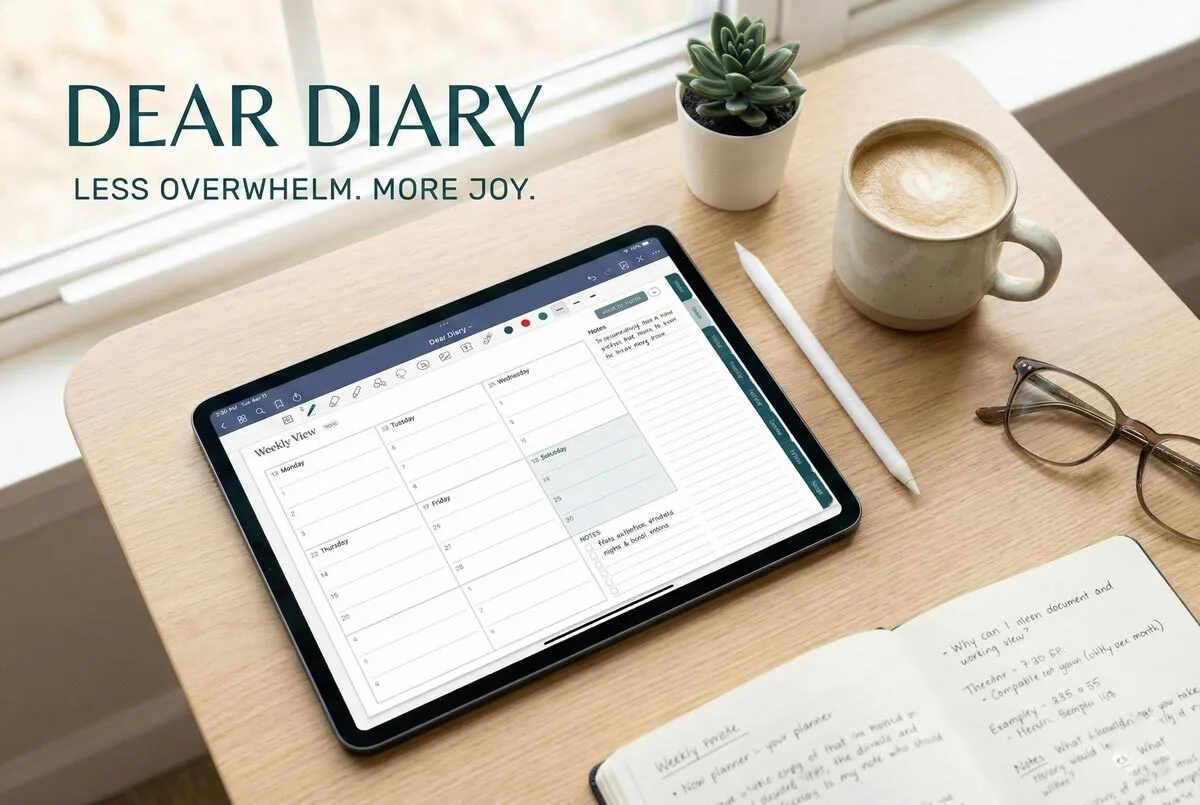
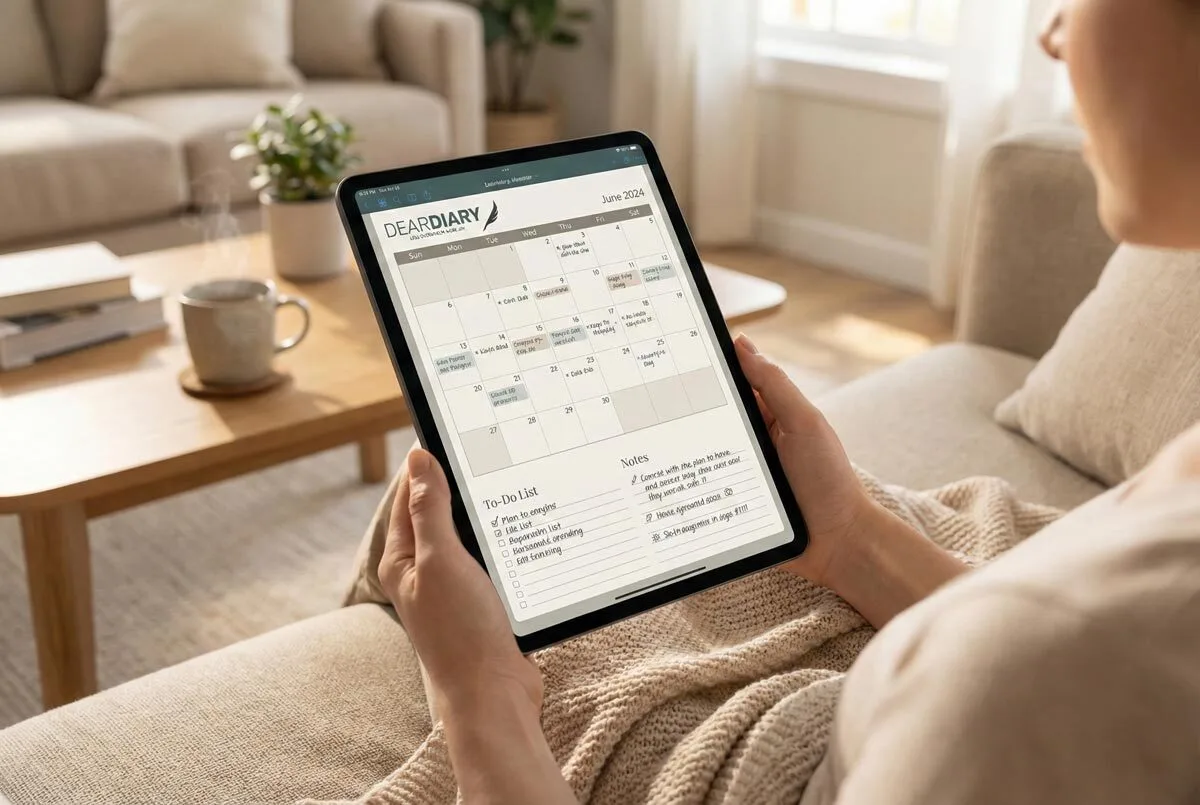
Automation becomes vital for repetitive tasks. Set up automatic email responses, use scheduling apps for appointments, and utilise AI-driven tools that handle conflict resolution. Teams typically complete only 52.6% of planned tasks weekly, so you need every advantage you can get. 75% of people feel comfortable using AI to save time, making it a practical solution for streamlining both work processes and personal task management. A paperless alternative for planning can provide instant access and unlimited customisation while reducing administrative overwhelm. Successful organisation often requires tools that combine digital elements with traditional planning methods to ensure nothing falls through the cracks.
Start performing weekly reviews to rebalance your priorities and catch personal tasks before they become emergencies. Track your hours to identify where time actually goes versus where you think it goes. Most people uncover significant gaps between perception and reality. Structured layouts provide the foundation for enhanced organisation when managing multiple competing priorities across both professional and personal domains. Consider using comprehensive planning tools with features like habit trackers to monitor daily routines and maintain consistent progress across all life areas. A robust planner with lay-flat binding allows for comfortable writing during daily planning sessions while managing both work deadlines and personal commitments.
The key lies in treating personal tasks with the same respect you give work deadlines. Your dentist appointment deserves the same systematic approach as your quarterly report. When you blur boundaries without intention, you create overwhelm cycles that serve neither your career nor your personal well-being effectively.
Frequently Asked Questions
What Apps or Tools Are Best for Tracking Both Work and Personal Deadlines?
You’ll want Todoist or Any.do for unified deadline tracking. Todoist excels with project-based organisation and priority labels, whilst Any.do’s “Plan My Day” feature helps you schedule both work and personal tasks into manageable time blocks.
How Do I Handle Conflicts When Work Deadlines Overlap With Family Commitments?
You should proactively communicate conflicting timelines to both employers and family, negotiate deadline extensions when possible, use time-blocking to prevent role spillover, and establish clear limits around work notifications during family time.
Should I Tell My Boss About Personal Tasks Affecting My Work Schedule?
You should communicate transparently with your boss about personal tasks impacting work, but frame it around solutions. Present scheduling adjustments or workflow modifications that maintain productivity whilst addressing your needs.
How Can I Maintain Work-Life Boundaries Whilst Juggling Multiple Deadline Types?
Set clear non-work hours and enforce them strictly. Prioritise tasks during peak focus periods, align deadlines strategically, and create distinct limits between work and personal responsibilities to prevent burnout whilst maintaining productivity.
What Do I Do When Personal Emergencies Disrupt My Work Deadline Planning?
Communicate immediately with your manager about deadline conflicts. Prioritise high-impact tasks using structured methods like the Eisenhower Matrix. Delegate secondary responsibilities and utilise employee assistance programmes for stress support.