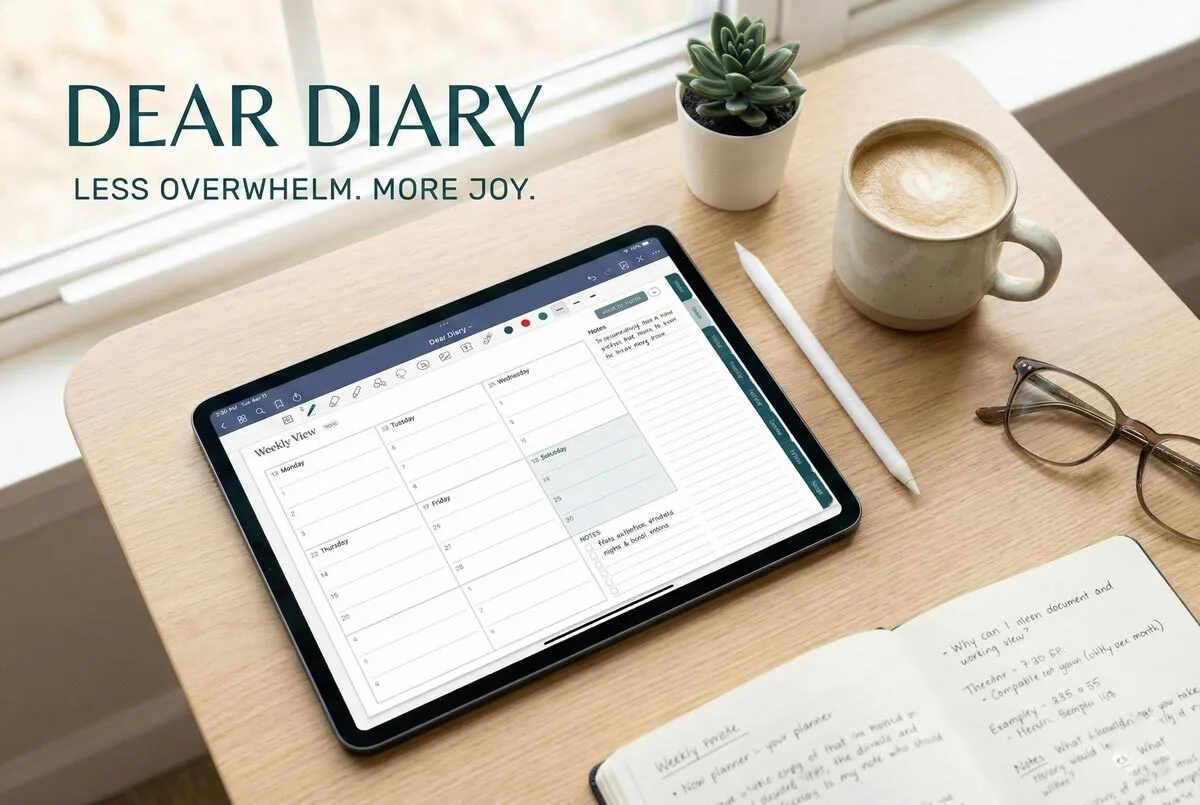
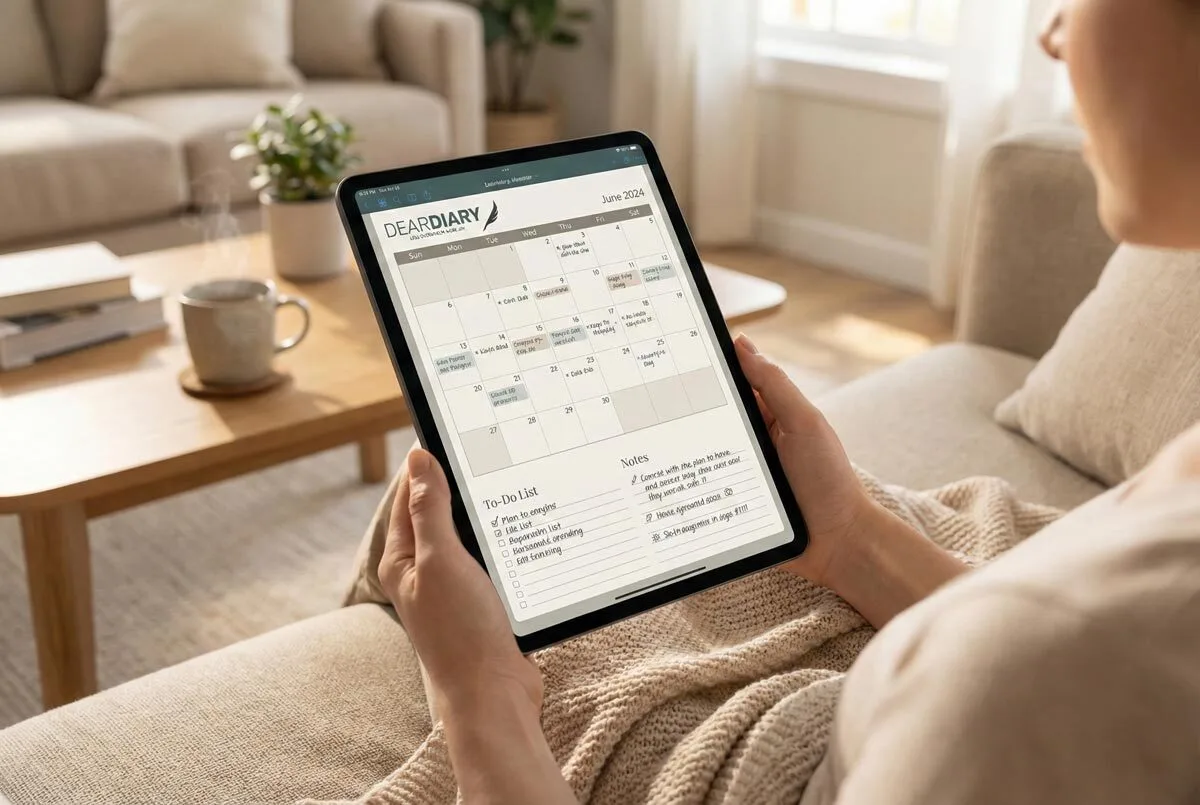
You’ll monitor academic progress effectively by setting up weekly milestone tracking in your planner, breaking semester goals into specific daily tasks like “study chapters 3-5 Tuesday.” Use colour-coded systems to identify mastered concepts versus struggling areas, whilst maintaining marks trackers that reveal performance trends across all courses. Schedule dedicated study blocks for each subject, include spaced repetition for difficult material, and perform weekly reviews comparing actual accomplishments against planned objectives. Strategic planning alters academic chaos into measurable success—and there’s much more to uncover about maximising your system.
Key Takeaways
- Use marks trackers and colour-coded systems to identify performance trends and highlight mastered concepts versus areas needing attention.
- Break down module objectives into weekly milestones with specific tasks to create momentum and maintain focus on goals.
- Conduct weekly reviews comparing actual accomplishments against planned objectives to assess progress and adjust strategies accordingly.
- Create dedicated goal setting pages that clearly articulate both immediate academic targets and long-term educational ambitions.
- Track completion of tasks through “done” lists and monitor effective study methods to reinforce accomplishments and improve self-regulation.

Chaos. That’s what most students’ academic lives look like without proper planning systems. You’re juggling multiple courses, deadlines blur together, and you can’t tell if you’re actually advancing or just surviving. A well-structured planner converts this academic mayhem into manageable, trackable progress.
Your planner becomes a command centre when you implement weekly and monthly planning spreads. You’ll allocate dedicated study blocks for different subjects, ensuring nothing gets forgotten in the rush. Time-tracking features let you measure actual productivity – you might realise you’re spending three hours on tasks that should take ninety minutes. Visual schedules help you plan proactively instead of cramming frantically at 2 AM.
Transform academic chaos into strategic control with dedicated study blocks, time-tracking insights, and proactive visual scheduling that eliminates last-minute cramming sessions.
Breaking down module objectives into weekly milestones creates steady momentum toward term goals. Don’t just write “study for biology test” – specify which chapters you’ll review Tuesday through Thursday. Align your daily tasks with critical assessments like major assignments or comprehensive examinations. This strategic approach means you’re working smarter, not just harder.
Detailed study calendars specify topics, resources, and time allocations for each session. Schedule spaced repetition for difficult material – reviewing organic chemistry concepts every three days works better than marathon sessions. Document which methods work best for you. Maybe flashcards help with vocabulary whilst practice problems improve your mathematics skills.
Progress monitoring turns abstract feelings into concrete data. Use marks trackers to highlight performance trends across modules and semesters. Colour-coded systems quickly identify successes and challenges – green for mastered concepts, red for areas needing attention. Weekly reviews compare your accomplishments against planned objectives, revealing patterns you’d otherwise miss. A dedicated goal setting page allows you to articulate both immediate study objectives and longer-term academic ambitions clearly. These microactions of consistent tracking accumulate to create significant improvements in your overall academic performance.
Your planner enhances resource usage by integrating consultation schedules with study needs. Reserve prime focus time for subjects requiring active learning, not passive reading. Schedule collaborative sessions when peer discussion adds value. Map out underused resources like university libraries or lecturer consultation hours, then build them into your routine.
Procrastination dies when you create specific deadlines for tasks instead of vague intentions. Break massive projects into micro-tasks – “write dissertation” becomes “outline introduction,” “research three sources,” and “draft first paragraph.” Completion tracking through “done” lists reinforces accomplishment through visible progress. Buffer zones between assignments prevent burnout and reduce pressure.
Self-regulation improves as you track what works and what doesn’t. Your planner reveals whether you study better in morning blocks or evening sessions. You’ll identify which subjects need extra attention before performance drops. Reframe setbacks as learning opportunities rather than failures – your planner shows improvement over time, not just individual marks.
The key isn’t perfection; it’s consistency. Your planner evolves as you realise what methods drive results. Start simple, track everything, and adjust based on real data rather than gut feelings. Within weeks, you’ll move from reactive chaos to proactive academic management.
Frequently Asked Questions
What Type of Planner Works Best for Tracking Academic Goals?
You’ll want a planner with dedicated goal roadmaps, progress tracking pages, and habit monitoring sections. Academic-specific planners like Passion Planner or Affine offer structured goal-setting layouts that break long-term objectives into actionable steps.
How Often Should I Review and Update My Academic Progress?
You should review your academic progress weekly through self-assessment, carry out monthly evaluations for goal adjustments, and perform quarterly thorough reviews aligned with academic cycles to maintain consistent engagement and early problem identification.
Can I Use Digital Planners Instead of Paper Ones?
You can absolutely use digital planners instead of paper ones. They’ll sync across your devices, integrate multimedia, and consolidate assignments from platforms like Google Classroom, though you’ll need internet access.
What Should I Do When I Fall Behind My Planned Schedule?
Use emergency time blocks to catch up quickly. Lower your daily goals temporarily and complete smaller tasks first. Break larger projects into 20-minute sprints and insert buffer time between activities.
How Do I Balance Academic Planning With Extracurricular Activities?
You’ll want to allocate time using the 2:1 ratio—twice as much for academics and ECAs combined versus free time. Use block-scheduling, limit ECAs to 15 hours weekly, and schedule regular downtime.