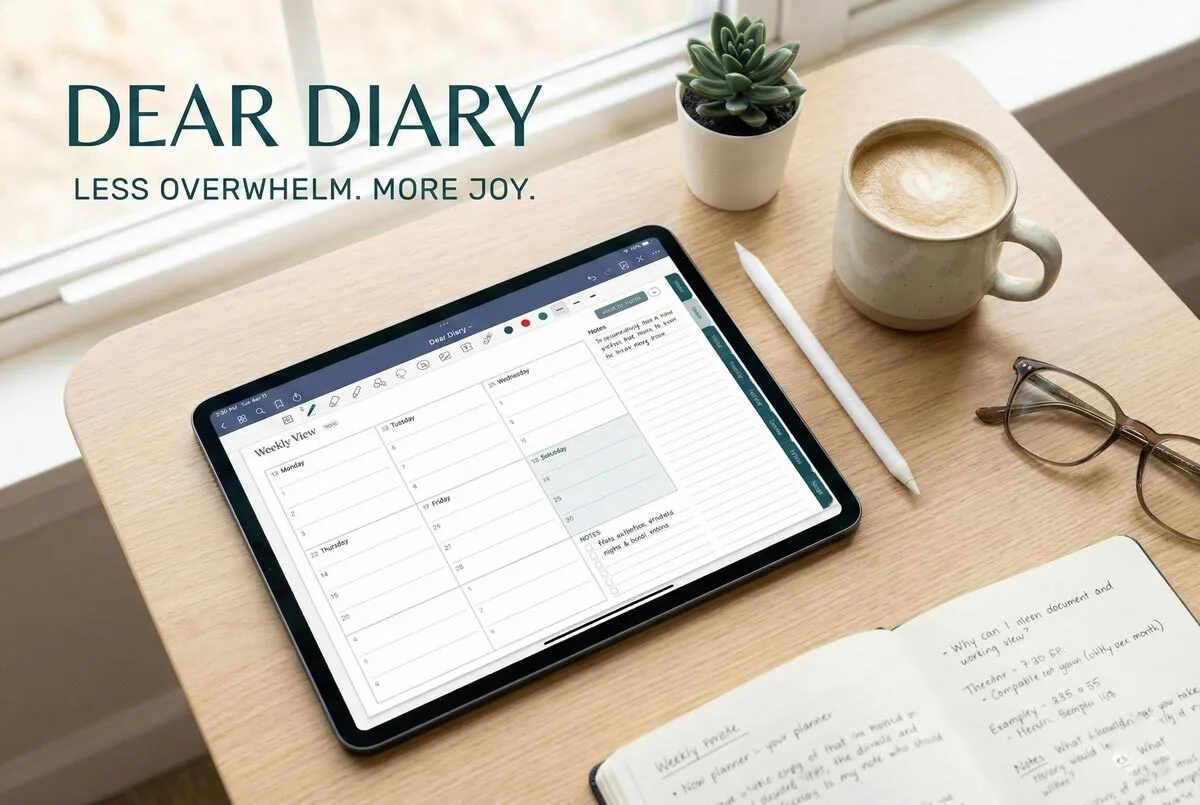
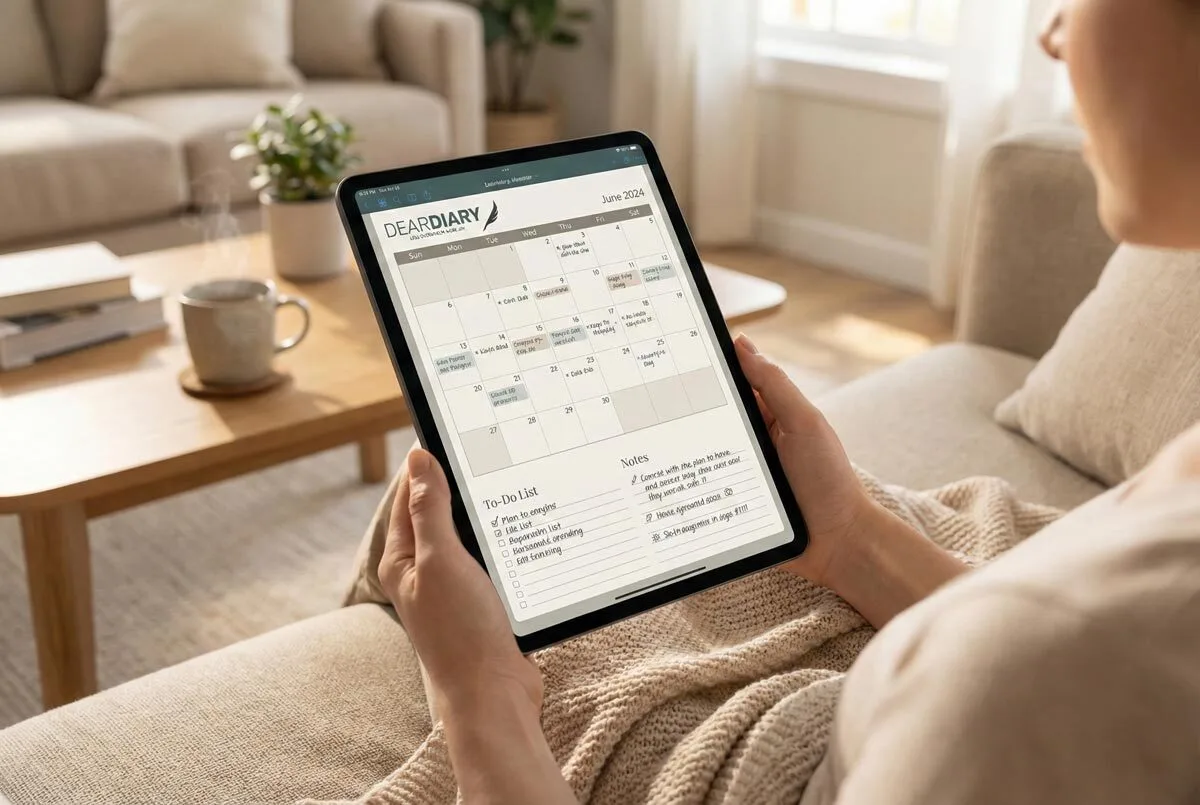
Transform your planner into a self-care command centre by breaking down wellness goals into specific daily actions—like “10-minute walks after lunch” instead of vague “exercise more” intentions. Structure goals across work, personal, and social domains to prevent burnout, then track progress weekly with habit trackers and celebration notes. Use if-then statements to eliminate decision fatigue and pre-plan backup strategies for obstacles. This strategic approach increases your goal achievement likelihood by 42% whilst building sustainable habits that stick beyond initial motivation.
Anyone can scribble “exercise more” on a sticky note, but turning self-care intentions into lasting habits requires something most people overlook—strategic planning that actually works.
Your planner isn’t just a scheduling tool; it’s your self-care command centre. When you write specific, actionable goals with defined steps, you’re 42% more likely to achieve them than those vague resolutions cluttering your mind.
Transform your planner into a self-care command centre where specific, actionable goals become 42% more achievable than vague resolutions.
Instead of “eat better,” try “prep vegetable snacks Sunday at 2 PM for weekday lunches.” The difference? One creates clear action, the other creates guilt.
The secret lies in structuring your goals across three domains: work, social, and personal. You can’t sustain self-care if you’re only focusing on one area whilst the others crumble. Balance prevents burnout and guarantees you’re not just surviving—you’re thriving.
Track your progress through regular weekly updates, modifying strategies when life throws curveballs your way.
Here’s where most people stumble: they don’t connect self-care actions to their bigger social and professional objectives. When you explicitly link your morning meditation to better workplace focus or your evening walks to improved energy for family time, you strengthen that vital intention-behaviour alignment.
Your brain starts seeing self-care as essential, not optional.
Implementation intentions are your secret weapon against initial inertia. Write specific if-then statements: “If it’s Tuesday at 7 AM, I’ll do yoga in the lounge.” This pre-planning eliminates decision fatigue and changes good intentions into automatic responses.
You’re literally programming your future self for success.
Break massive goals into micro-actions that don’t intimidate. “Improve fitness” becomes “take 10-minute walks after lunch Monday through Wednesday.”
These smaller steps build momentum and create wins that fuel motivation. Your planner should celebrate progress, not highlight deficits—focus on what you’re accomplishing, not what you’re missing. Most planners need to incorporate comprehensive goal-setting phases including preparation, goal formulation, action planning, coping strategies, and follow-up tracking for maximum effectiveness.
Obstacle pre-planning prevents derailment when setbacks occur. Anticipate barriers and create contingency plans.
If your evening gym session conflicts with overtime work, have a backup 15-minute home workout ready. This isn’t pessimism; it’s strategic thinking that maintains consistency despite life’s unpredictability.
Your self-efficacy—belief in your ability to handle challenges—grows every time you complete planner-encoded goals. Studies show that people using structured goal planning report better emotional health outcomes and reduced feelings of ineffectiveness. This process promotes ownership of your personal development journey, helping you take control of your progress rather than leaving it to chance. A structured approach ensures your self-care practices are both comprehensive and tailored to your individual circumstances and needs. Digital planners offer the advantage of unlimited page duplication which means you can create separate sections for different self-care areas or experiment with various layouts until you find what works best.
You’re not just organising tasks; you’re building confidence in your capability to create positive change.
Integrate available resources into your planning process. Map out community options like local yoga studios, walking trails, or support groups. Consider incorporating daily gratitude prompts which have been shown to significantly improve well-being and maintain a positive mindset throughout your self-care journey.
Collaborative resource identification makes your self-care goals realistic and attainable rather than fantasy wish lists. Consider using dedicated spaces for habit tracking to maintain consistency with wellness routines like meditation, exercise, or sleep schedules. Digital planners offer unlimited customisation options that allow you to create layouts specifically designed around your unique self-care priorities and routines.
Having a dedicated birthday page in your planner helps you remember important personal connections and social events that contribute to overall well-being.
Frequently Asked Questions
What Type of Planner Works Best for Tracking Self-Care Activities?
You’ll benefit most from an undated wellness planner with integrated habit trackers, customisable templates, and extensive sections for mood, nutrition, and physical activity. Choose one offering flexible layouts and guided reflection prompts.
How Often Should I Review and Update My Self-Care Planning System?
You’ll want weekly consistency checks, mid-week burnout assessments, and monthly goal recalibrations. Add quarterly priority realignments for major life changes and annual reflections to evaluate long-term patterns and set fresh intentions.
Can Digital Planners Be as Effective as Paper Ones for Self-Care?
Digital planners can match paper effectiveness when you use big-picture views and minimise notifications. However, paper’s higher task completion rates, handwriting benefits, and distraction-free environment often make it superior for self-care consistency.
What Should I Do if I Consistently Miss My Planned Self-Care Activities?
Analyse your missed activity patterns to identify obstacles, then create contingency plans with micro-practices. Reduce activity duration, develop visual cues, and carry out weekly self-assessments to adjust your schedule accordingly.
How Do I Balance Self-Care Planning With My Existing Busy Schedule?
Start by identifying small pockets of time in your current schedule for micro self-care practices. Block dedicated slots early when energy’s high, and treat these appointments as non-negotiable commitments you can’t reschedule.