You’re not alone in feeling overwhelmed—97% of families struggle with morning chaos despite having routines. Start with night-before prep: set out uniforms, pack lunches, and programme coffee timers. Create dedicated homework stations with good lighting and minimal distractions, whilst involving older children in meal prep to combat the 55% breakfast-skipping trend. Use digital calendars and shared family apps to reduce administrative chaos by 40%, and establish device-free evening wind-down rituals that actually work for your household’s unique rhythm and needs.
Creating Morning Routines That Actually Work for Busy Families
While 97% of people follow some form of morning routine, most families still stumble through chaotic mornings that leave everyone stressed before the day even begins.
Here’s what actually works: prepare everything the night before—pack lunch boxes, lay out school uniforms, set coffee timers. This simple preparation can transform your entire household’s morning experience.
Evening preparation eliminates morning chaos—pack lunches, lay out clothes, prep coffee to transform your family’s entire morning routine.
Designate specific time blocks like 7:45 AM family walks or 8:00 AM departure times. Since 92% of highly productive individuals prioritise planned schedules, you’re already ahead by creating structure. Structure becomes your family’s best friend during busy school terms.
Combat the 55% breakfast-skipping trend by involving older children in meal prep. Teaching them to prepare simple breakfast options like rusk with cheese or instant porridge creates independence whilst ensuring proper nutrition. Starting your day with mindfulness practices like deep breathing or gratitude helps reduce family stress and creates a more positive atmosphere for everyone.
Consider incorporating goal-tracking into your family’s morning routine to help children develop accountability and celebrate small daily wins together. Keep family schedules organised using half-hour scheduling methods to ensure everyone knows exactly when breakfast, getting dressed, and departure times occur.
Mastering the Art of Meal Planning and Prep for South African Households
Morning routines set the foundation, but what happens when lunch and dinner become daily battles that drain your energy?
You’re not alone—61% of South African households recognise meal planning‘s importance for healthier eating, yet only 37% actually plan ahead.
Here’s the reality: employment status, food insecurity affecting 44.2% of households, and limited recipe use create perfect storms for mealtime chaos.
Start with flexible plans that adjust to your budget constraints.
Use simple tracking tools for ingredients and portions. Consider organisational tools like planners and notebooks specifically designed for meal planning to streamline your process.
Focus on culturally familiar recipes that stretch ingredients without sacrificing nutrition or family satisfaction. Research shows strong correlations between thoughtful meal planning and smarter grocery purchasing decisions.
Dedicated pages for meal planning can help busy mothers and family managers coordinate weekly menus alongside their other household responsibilities.
Setting Up Organised Learning Spaces That Inspire Children
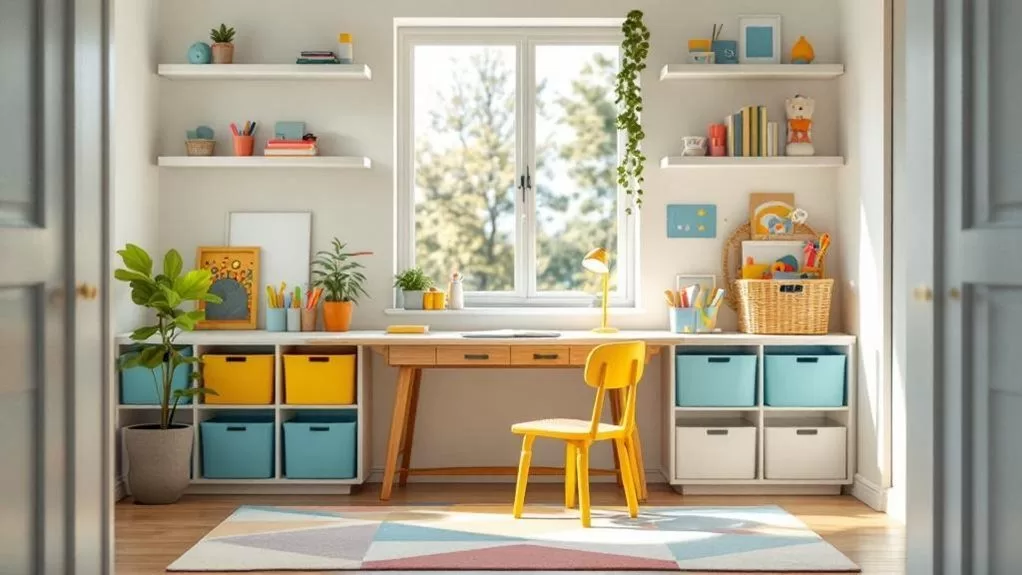
After overcoming mealtime chaos, you’ll discover that creating organised learning spaces presents its own unique challenges—but the payoff transforms how your children engage with education at home.
Start with activity-based zoning: designate areas for messy projects, quiet reading, and group work.
Invest in lightweight, modular furniture that adapts instantly—your dining table becomes a science lab, then art studio. This flexibility maximises your available space.
Prioritise accessibility through smart storage solutions. Keep supplies within arm’s reach using vertical shelving and labelled containers.
Natural light matters more than expensive gadgets. Position learning areas near windows whenever possible to reduce eye strain and boost concentration.
Integrate technology thoughtfully—tablets and charging stations support learning without dominating the space. Focus on software implementation rather than purchasing the latest devices for your home learning environment.
Consider incorporating structured planning tools to help children develop organisational habits that will benefit them throughout their lives. A dedicated area with daily planning materials can teach children to organise their thoughts and track their learning progress effectively.
Most importantly, let your children help design these areas. They’ll take ownership when they’ve contributed to creation.
Digital Detox Strategies for Quality Family Time
Since 40% of adults grab their phones within five minutes of waking up, breaking free from digital habits requires more strategy than willpower alone.
Creating lasting digital boundaries demands intentional planning and family-wide commitment, not fleeting promises that crumble under daily pressures.
You’ll need structured approaches that work for your entire family, not just good intentions that fade by Tuesday.
Start with weekend screen-free excursions where everyone disconnects together. Create phone-free dinner hours from 17:00-19:00 for meaningful conversations. Keep devices outside bedrooms overnight—your sleep quality will improve dramatically.
- Cosy board game marathons replacing endless scrolling sessions
- Nature walks through the Drakensberg or local nature reserves with everyone’s phones safely tucked away at home
- Kitchen dance parties whilst preparing tech-free family braais or potjiekos
- Backyard camping outings under the Southern Cross, not screen light
Consider establishing “digital sunset” routines where all screens switch off after 20:00. This creates natural wind-down time for families.
Weekend mornings become perfect for slow breakfasts and unhurried conversations when phones stay switched off until midday. Research shows that unplugging from technology promotes outdoor activities that enhance mental health and improve sleep quality.
Transform your lounge into a reading sanctuary with comfortable cushions and good lighting. Stock up on local South African authors like Deon Meyer or Lauren Beukes for engaging family reading sessions. During these quiet moments, encourage family members to engage in consistent self-reflection about their daily experiences and digital habits.
For parents with young children, introducing playful planners specifically designed for kids can help establish screen-free routines whilst developing positive habits and emotional intelligence.
Building Homework Stations That Eliminate Daily Battles

Digital limits protect family time, but the real battleground happens when homework assignments enter your home.
You’ll eliminate daily arguments by creating a dedicated workspace that removes distractions and builds consistent routines.
Start with a minimalist corner setup using modular shelving that grows with your child’s needs.
Separate zones for supplies, reading, and technology reduce decision fatigue whilst maintaining focus.
For children with ADHD, add movement-friendly furniture like standing desks or wobble chairs.
Position the station near your workspace so you can supervise without hovering.
This physical structure converts homework chaos into productive learning habits.
Include daily planning pages to help children track assignments and develop time management skills from an early age.
Vertical space maximises storage potential with wall-mounted cabinets and shelves in smaller areas.Organisational tools specifically designed for educational environments can enhance your homework station’s effectiveness and support your child’s learning routine.
South African families particularly benefit from organised spaces that accommodate multiple children sharing resources.
Quick Self-Care Rituals Every Mother Can Fit Into Her Day
You don’t need hour-long spa sessions or expensive retreats to recharge your depleted mum batteries.
Strategic self-care happens in stolen moments throughout your day—those precious three minutes before the children wake up, quick energy resets between school runs, and gentle shifts that help you actually sleep instead of scrolling your phone at midnight.
The secret lies in building micro-rituals that work with your chaotic schedule, not against it. Research shows that just 10 minutes of consistent wellness practices can create meaningful impact for busy mothers managing demanding schedules.
Morning Mindfulness Minutes
When morning chaos erupts around you—children hunting for school shoes, lunch boxes half-packed, someone inevitably having a meltdown—the idea of “self-care” feels impossibly distant.
Here’s what actually works: claiming just five minutes for guided breathing before anyone else stirs. These micro-meditations aren’t luxury—they’re essential survival tools that reduce cortisol levels and improve emotional regulation throughout your day.
Steam rising from your rooibos tea as you take three deliberate breaths. Feel your feet grounded on the kitchen tiles during brief body scans.
Set daily intentions whilst the children tackle their breakfast. Transform ordinary moments into opportunities for present-moment awareness. Research shows that mindfulness training enhances self-compassion and empathy, which directly predicts better mental health outcomes for mothers.
The school rush doesn’t have to derail your inner calm. Even two minutes of mindful breathing can shift your entire day’s trajectory.
Micro-Break Energy Boosters
Between nappy changes and deadline pressures, your energy reserves hit empty faster than your coffee cup.
These micro-breaks require zero planning but deliver maximum impact.
Try one-minute deep breathing exercises to reset your focus instantly.
Chair yoga improves circulation whilst you’re desk-bound.
Light a scented candle for immediate environmental calm, or step outside for fresh air that combats fatigue naturally.
Movement breaks work wonders—even thirty seconds of jumping jacks recharges depleted batteries.
Enhance your lighting with dimmed lamps or natural light sources.
Add ambient soundscapes during shifts between tasks. These create an instantly calming atmosphere.
These aren’t luxuries; they’re strategic energy investments that compound throughout your day. Prioritising these brief moments of self-care helps prevent burnout and maintains your ability to handle daily responsibilities effectively.
Evening Wind-Down Rituals
Evening Wind-Down Rituals
Those micro-energy improvements work brilliantly throughout your chaotic day, but they won’t magically transform you into someone who falls asleep the moment your head hits the pillow.
Creating consistent evening rituals signals your brain it’s time to shift gears from chaos to calm. These routines help your body recognise when it’s time to prepare for rest.
Start your wind-down protocol 90 minutes before your target bedtime:
- Dim the lights and spray your pillow with lavender mist whilst your rooibos tea steeps. The natural fragrance helps create a peaceful atmosphere.
- Set your phone in the lounge charging station, creating a device-free sanctuary in your bedroom.
- Practise five minutes of brain dump journalling to clear tomorrow’s mental clutter. Write down everything swirling through your mind. This simple habit prevents late-night worrying about forgotten tasks.
- Slip on a comfortable eye mask whilst reading a few pages of your favourite book. Consider this your opportunity to reconnect with personal interests beyond the demands of daily caregiving.
Managing School Paperwork Without Losing Your Sanity
You’re drowning in permission slips, report cards, and fundraiser forms whilst trying to remember which child needs what signed by when.
The good news is that digital organisation systems can cut your administrative chaos by 40%, and shared family calendars paired with automated notifications will keep you one step ahead of every deadline.
When your child’s school adopts digital management systems, you’ll benefit from instant updates on homework, exams, and school events delivered straight to your phone.
Let’s change your paper mountain into a simplified system that actually works for busy mums.
Digital Organisation Systems
When your child’s school bag resembles a paper graveyard and you’re spending more time hunting for consent forms than actually parenting, it’s time to adopt digital organisation systems that can transform your family’s academic chaos into streamlined efficiency.
Create folder structures that mirror physical files, with dedicated spaces for each child and assignment type. Use cloud platforms like Google Drive for instant access across devices. Digital forms capture data instantly, eliminating lost paperwork entirely. Schools that embrace digital document solutions report 63% reduction in paper use and associated costs, making this transition beneficial for both families and educational institutions.
- Scanning homework into organised digital folders by subject and date
- Setting up automated notifications for consent form deadlines
- Creating shared family calendars with assignment due dates
- Using smartphone apps to photograph and categorise school documents immediately
Shared Family Calendars
Building on your newly organised digital files, a shared family calendar becomes the command centre that transforms scattered school information into coordinated family action.
Track permission slips, project deadlines, and parent-teacher conferences in one accessible location.
Assign specific tasks through calendar notes—Dad handles field trip forms, Mum manages grade monitoring. This prevents the mental load from overwhelming one parent whilst reducing those frantic “Did anyone sign Sipho’s form?” moments.
Schedule study blocks during less hectic family days. Create buffer zones around report card weeks. Real-time updates ensure all family members instantly see changes to schedules and responsibilities. Your family operates like a well-oiled machine, not a circus.
Automated Reminder Strategies
Despite your best intentions with that beautiful family calendar, paper slips still vanish into school bag black holes, and permission forms develop supernatural abilities to hide until the day after they’re due.
Streamlined reminder systems rescue overwhelmed parents from administrative chaos. These digital lifesavers send multichannel alerts via SMS, email, and app notifications, ensuring you’ll never miss enrolment deadlines or school fee payments again. Beyond keeping your family organised, these systems help maintain your child’s connection with their curriculum and classmates by supporting regular attendance.
- Your phone buzzes with a gentle nudge about tomorrow’s field trip permission slip
- Email alerts arrive three days before registration deadlines, giving you breathing room
- Streamlined follow-ups catch overdue forms before teachers start giving pointed looks
- Real-time tracking shows exactly which paperwork you’ve conquered versus pending battles
Transforming Family Calendars Into Communication Tools
As schedules become increasingly complex, your family calendar needs to evolve from a passive display into an active communication hub that keeps everyone connected and informed.
Transform your calendar by enabling real-time updates across all devices. When your teenager adds football practice, it instantly appears on everyone’s mobile and the kitchen display.
Create shared visibility for families spread across different counties. Grandparents in London can track grandchildren’s activities in Manchester, while working parents coordinate seamlessly despite conflicting schedules. No more “I forgot to tell you” conversations during those expensive long-distance calls.
Add relevance beyond basic appointments. Include car sharing arrangements, barbecue responsibilities, and preparation notes for school events. Your calendar becomes a thorough communication tool that anticipates needs before they become last-minute emergencies. Built-in automatic notifications ensure important dates and deadline changes reach everyone without relying on verbal reminders.
Consider local connectivity when choosing your calendar platform. Power cut schedules and data considerations make offline functionality essential for British households.
Creating Memory-Making Traditions on a Realistic Budget

You don’t need a massive budget to create lasting family memories that your children will treasure for years to come.
Simple weekly traditions like DIY restaurant nights where children design menus and help cook can become more meaningful than expensive outings.
The key lies in consistency and creativity—transforming everyday moments into special rituals through thoughtful planning and your family’s unique touch.
Low-Cost Holiday Rituals
Low-Cost Holiday Rituals
While expensive holiday traditions might dominate social media feeds, over half of South African families actually build their most cherished memories around simple, accessible rituals.
These meaningful celebrations won’t drain your resources or stress levels. You can create wonderful celebrations by repurposing childhood traditions and focusing on experiences over expensive gifts.
Activity-based exploration calendars replace sweets with beach visits or neighbourhood light viewing. Handmade presents teach children creativity and thoughtfulness whilst strengthening family bonds.
Consider these meaningful family activities:
- Children designing restaurant menus for special family meals at home
- Creating paper decorations during cosy living room camping nights
- Birthday reflection displays highlighting each child’s yearly accomplishments
- Community volunteer journeys that create lasting connections together
These simple rituals become the foundation for lifelong family memories. They celebrate togetherness rather than material excess.
Weekly Family Bonding
Building lasting family memories doesn’t require elaborate weekend getaways or expensive entertainment subscriptions. Research shows 90% of co-residing parents maintain weekly family dinners—your most powerful bonding tool.
Schedule regular mealtime conversations without screens. You’ll reduce household device time whilst strengthening connections.
Add weekly family walks or visits to local parks like Emmarentia Dam or the Johannesburg Botanical Gardens. Physical engagement increased notably from 2002-2014 as South African families recognised outdoor time’s value.
Consider braai sessions in your back garden where everyone participates in preparation.
Explore community activities such as visiting local markets or attending cultural festivals. These experiences create shared memories whilst connecting your family to South African heritage and traditions.
DIY Celebration Ideas
Although celebration traditions often carry hefty price tags, meaningful family memories don’t require maxing out credit cards or sacrificing monthly budgets.
You can create magical moments using your sitting room, back garden, or local park as venues.
Transform everyday items into stunning decorations and craft tissue-paper flowers for centrepieces. Organise potluck-style meals where everyone contributes their favourite dishes.
Set up DIY craft stations and design scavenger hunts using household items. Create photo booths with cardboard backdrops for memorable snapshots.
- Tissue-paper flowers blooming across kitchen tables like spring gardens
- Kilner jar lanterns casting warm glows across evening celebrations
- Colourful balloon arches framing doorways like rainbow gateways
- Handmade banners fluttering proudly above back garden barbecue gatherings
Handling Mum Guilt and Overwhelm With Practical Solutions

Every mother faces that familiar knot in her stomach when she feels like she’s failing her children, whether it’s rushing through bedtime stories to tackle work emails or missing another school event because of deadlines.
You’re not broken. You’re manoeuvring through impossible societal expectations that demand 24/7 availability whilst maintaining professional success.
Here’s what actually works:
- Accept “good enough” parenting – perfection isn’t the goal
- Build your support network – share responsibilities with partners, family members, and friends
- Set realistic limits at work and home
- Practise self-compassion when standards slip
Studies link maternal guilt to increased anxiety and depression. Break the cycle by prioritising meaningful moments over endless achievement.
Focus on connection rather than perfection with your children.
Organising Children’s Birthday Parties and Special Occasions
You don’t need to spend £500 per child or hire a team of professionals to throw a memorable birthday party that actually feels manageable.
Smart budget planning and simple stress-reduction strategies can change what feels like an overwhelming event into something you’ll genuinely enjoy hosting.
Let’s break down how to create magical celebrations without the financial strain or logistical nightmares that leave you questioning your sanity.
Budget-Friendly Party Planning
When your child’s birthday approaches, the pressure to create a magical celebration can quickly spiral into financial stress — especially when you’re researching venue options that can strain your budget.
Smart planning converts your home into the perfect party destination without breaking the bank.
Skip expensive rentals and focus on what truly matters: creating memories. Your own space offers unlimited creative possibilities.
Convert your back garden into a cosy barbecue spot with marshmallow roasting stations. The familiar setting helps children feel comfortable and relaxed.
Set up DIY pizza-making stations where kids become their own chefs. This interactive activity keeps guests engaged whilst creating delicious treats.
Create spa corners with face masks and nail painting for pampered fun.
Design gaming tournaments using existing consoles and friendly competition. Local multiplayer games work perfectly for birthday celebrations. The excitement builds naturally as children cheer each other on.
Stress-Free Event Management
Three key elements separate successful party hosts from those drowning in birthday chaos: strategic delegation, smart venue choices, and ruthlessly simplified planning.
You’ll transform your stress levels by assigning specific tasks to trusted guests—designating someone for game setup, another for food service.
Choose all-inclusive venues with built-in play areas that handle decorations and cleanup.
Book full-service planners who manage invitations and catering coordination. These professionals bring experience and vendor networks that simplify the entire process.
Limit activities to 2-3 major events: games, crafts, cake. Create timed schedules preventing prolonged energy crashes. This approach keeps children engaged without overwhelming them or you.
Prepare snacks in advance, stock emergency supplies, and always designate a backup co-organiser for unexpected meltdowns.
Having extra juice boxes, plasters, and wet wipes saves the day when little ones need immediate attention.
Building Craft Stations That Encourage Creativity and Independence

Although creating the perfect craft station might seem overwhelming at first, establishing a well-designed creative space will transform your child’s artistic journey from chaotic mess-making into purposeful, independent exploration.
Position supplies at your child’s eye level with clear labels featuring images. Install adjustable shelving that grows with them.
Strategic supply placement at child height with visual labels creates immediate accessibility, whilst adjustable shelving ensures your investment adapts as they grow.
Choose easy-to-clean surfaces that won’t stress you during their experimental phases.
- Imagine your child confidently selecting felt-tip pens from labelled containers without asking for help
- Picture them completing entire projects whilst you enjoy tea nearby
- Envisage easy cleanup becoming their responsibility, not yours
- Visualise their satisfaction when mastering new techniques independently
Planning Stress-Free Family Holidays Within South Africa
Just as you’ve created organised spaces that encourage your child’s independence at home, planning South African family holidays requires the same thoughtful approach to eliminate stress and maximise enjoyment.
Start with malaria-free destinations like Eastern Cape reserves or Garden Route combinations. These areas offer peace of mind for families with young children.
Choose 12-day itineraries balancing urban exploration, safaris, and coastal relaxation—perfect for varying energy levels. Book private game drives with snack breaks and storytelling sessions that captivate children whilst adults enjoy wildlife viewing.
Cape Town offers Table Mountain hikes and penguin sightings at Boulders Beach. The city provides endless family-friendly activities within close proximity to each other.
Madikwe Game Reserve provides luxury lodging with swimming pools and dedicated kids’ clubs. Children can participate in junior ranger programmes whilst parents relax at the spa. The reserve’s Big Five population ensures memorable wildlife encounters.
Charter flights minimise travel time between destinations. These customisable schedules guarantee everyone stays engaged and comfortable throughout your South African adventure.
Supporting Your Child’s Learning Journey at Home

You’re probably wondering how to change your home into a space where learning flourishes naturally, especially after seeing how dramatically education shifted during recent years.
The key lies in creating intentional learning environments, managing technology wisely, and choosing the right tools to support your child’s academic growth.
Let’s investigate how you can build these foundations without turning your sitting room into a classroom or becoming a full-time teacher overnight.
Creating Learning-Friendly Spaces
Creating Learning-Friendly Spaces
Every corner of your home holds potential to become a powerful learning environment, and research shows that parental involvement in creating these spaces matters more than your family’s income level regarding your child’s academic success.
You don’t need expensive furniture or elaborate setups. Dedicated learning spaces reduce distractions and improve focus during study times. Structured routines for literacy and mathematics activities create consistency that children thrive on.
Transform ordinary areas into effective learning zones:
- Clear kitchen table with good lighting and minimal visual clutter
- Cosy reading nook with soft pillows and accessible book storage
- Standing desk area using a counter for active learning sessions. This encourages movement whilst studying.
- Quiet corner with noise-reducing headphones and organisational supplies
Balancing Screen Time
While screens have become unavoidable in modern parenting, finding the right balance between educational benefits and developmental risks requires intentional strategy rather than crossing your fingers and hoping for the best.
Excessive screen time—we’re talking 2+ hours daily—creates genuine problems. Language delays, reduced problem-solving skills, and emotional instability aren’t scare tactics; they’re research-backed realities documented by South African paediatricians and international studies.
Here’s what actually works in SA households: Cap active screen time at 30 minutes for preschoolers. Choose interactive, educational apps over passive entertainment.
Co-view content together, discussing what you’re watching. Create device-free zones during meals and before bedtime. This approach works whether you’re in Cape Town, Johannesburg, or rural areas with limited connectivity.
Most importantly? Don’t use screens as emotional plasters when behaviour gets challenging.
Remote Learning Tools
Getting your screen time strategy right sets the foundation for something bigger: building a proper home learning environment that actually supports your child’s education.
Remote learning tools have become increasingly popular across South Africa, and you’ll want platforms that actually work.
Focus on AI-driven options like Khan Academy and Duolingo that enhance retention rates from 10% to 60%. Look for detailed progress analytics so you can spot skill gaps early.
These platforms work well even with South Africa’s varying internet connectivity.
- Your child completing microlearning modules during breakfast
- Progress badges lighting up their mobile screen
- Interactive quizzes replacing boring worksheets
- Offline access working during load shedding or internet outages
Using Planners and Printables to Streamline Daily Life

Most families juggle dozens of moving pieces daily—from cricket practice and piano lessons to grocery runs and work deadlines—yet they’re still relying on sticky notes scattered across the kitchen counter and half-remembered conversations about who’s picking up whom.
You’ll reshape this chaos with multifamily dashboards that schedule up to five family members, eliminating overlap conflicts.
Printable planners offer reusable layouts combining schedules, priorities, and meal plans in one view.
Daily priority sections prompt identifying top tasks whilst structured to-do lists enable time-blocking efficiency.
These resources provide professional formatting that’s accessible to every household. The layouts work perfectly for both English and Afrikaans-speaking families.
Establishing Bedtime Routines That Promote Quality Sleep
Your carefully organised family schedule means nothing if everyone’s dragging themselves through the day because nobody slept well. Consistent bedtime routines create extraordinary sleep improvements across South African households.
Research shows over 50% reduction in bedtime resistance and an extra hour of nightly sleep for children with predictable schedules. Each routine night adds approximately five minutes of sleep through fewer awakenings.
Predictable bedtime routines deliver measurable results: dramatically less resistance, significantly more sleep, and fewer nighttime disruptions for South African families.
- Dimmed lights casting gentle shadows across a peaceful bedroom
- Soft pyjamas and favourite stuffed animals arranged on cosy beds
- Quiet story time with hushed voices and turning pages
- Calm breathing as little ones drift into restful sleep
Start early and maintain consistency at least five nights weekly. This approach works particularly well in South African homes where extended families often share living spaces.
Teaching Children Life Skills Through Age-Appropriate Organisation

While bedtime routines create the foundation for well-rested families, teaching children organisational skills converts daily chaos into manageable learning opportunities.
Start with age-specific assignments: 6-10-year-olds excel at sorting laundry and folding clothes, building responsibility through tangible results.
Create visual tracking systems—charts work better than nagging—to monitor task completion and reinforce accountability.
Introduce complex multi-step cleaning once they’ve mastered the basics.
Don’t underestimate their decision-making abilities; involve them in organising toys and shared spaces to teach prioritisation.
These aren’t just chores—they’re investing in future adults who won’t phone you asking how to do laundry.
Consider the long-term value of these skills as children transition into independent young adults.
Managing Work-From-Home Boundaries With Family Life
Teaching kids to fold fitted sheets won’t matter much if they can’t find you because you’re locked in the loo trying to finish a presentation whilst someone’s screaming about rusks and tea.
Work-from-home boundaries aren’t suggestions—they’re survival tools for South African families. Research shows family interaction time increases by 56% during remote work, but that’s meaningless if you’re drowning in guilt.
Set intentional time blocks and prioritise tasks ruthlessly. Age and education affect your success rate, so modify strategies accordingly.
- Designate specific work hours with visual cues children understand
- Create physical barriers between workspace and family areas using available furniture or screens
- Establish emergency-only interruption protocols with clear consequences that suit your family dynamics
- Schedule dedicated family time around braai preparations or afternoon tea to reduce guilt and conflict
Creating Peaceful Spaces for Family Connection and Communication

When someone’s shouting about homework whilst another’s crying about lost socks, creating genuine family connection feels impossible—but peaceful spaces aren’t about perfect silence.
You need strategic communication patterns that actually work. Research shows 69% of families want daily updates, yet only 52% receive them consistently.
Start with structured check-ins using multiple channels—voice calls, WhatsApp messages, emails. This approach reduces classroom redirections by 25% and increases participation by 15%.
Design conflict-minimising systems through routine conversations that blend stability with flexibility. High family communication correlates with reduced psychological distress and stronger problem-solving skills in your children.
These foundations help South African families navigate unique cultural dynamics whilst maintaining strong bonds.
Building Resilient Children Through Structured Yet Flexible Parenting
Raising resilient children requires mastering the art of being both your child’s foundation and their launching pad—firm enough to provide security, flexible enough to let them soar.
You’re creating predictable structures whilst adjusting to life’s curveballs. This approach reduces behavioural problems by teaching accountability without rigidity.
Flexible consistency teaches children to adapt without losing their sense of security and personal responsibility.
When you combine warmth with clear expectations, you’re building emotional regulation skills that’ll serve them for decades. These foundations become particularly important as South African children navigate diverse cultural contexts and changing social landscapes.
- Envision bedtime routines that bend for special occasions but never break completely.
- Imagine rules explained with “because” rather than “because I said so.”
- Visualise children problem-solving creatively when plans change unexpectedly.
- See confident children making age-appropriate decisions within safe boundaries.