Start your seating chart two months before your wedding by measuring venue dimensions and selecting appropriately sized tables—1.8m round tables seat 8-10 guests comfortably.
Group guests by relationships and shared interests while keeping feuding relatives strategically separated with neutral personalities as buffers. Use digital tools like WeddingWire or Canva for drag-and-drop layouts, and maintain 90cm aisle widths for accessibility.
Review your plan 24 hours prior for last-minute adjustments, and you’ll find additional strategies that convert potential chaos into seamless celebration.
Key Takeaways
- Begin planning seating arrangements two months prior to your wedding to allow time for RSVP adjustments and changes.
- Use 1.8m round tables for 8-10 guests or 2.4m banquet tables for 10-12 guests with 90cm aisle spacing.
- Group guests by relationships and interests whilst separating conflicting family members with neutral buffer guests between them.
- Utilise digital tools like WeddingWire or Canva for drag-and-drop layouts and customisable seating chart templates.
- Create clear, high-contrast signage with numbered tables and organised guest categories to minimise confusion at the reception.
Understanding Table Layout and Venue Constraints

Before you get carried away dreaming about centrepieces and colour schemes, you’ve got to tackle the practical foundation of any successful event: comprehend your venue’s physical limitations and how tables will actually fit in the space.
Start by measuring everything. Those 1.8-metre round tables seat 8-10 guests comfortably, while 2.4-metre banquet tables accommodate 10-12. Consider using planner stickers to visually map out table placements and decor ideas in your planning notebook for a clearer perspective.
Your venue’s dimensions determine how many tables you can realistically fit without turning your reception into a game of human Tetris.
You’ll need 90-centimetre minimum aisle widths for safe manoeuvring—trust me, your guests will appreciate not squeezing sideways between chairs.
Account for dance floors, bars, and buffet stations. Don’t block exits or toilets unless you enjoy angry venue coordinators.
Test your layout for wheelchairs and elderly guests. Multiple venue layout options will help you optimise the space and find the most efficient arrangement for your guest capacity. Creating a scaled digital model helps you visualise exactly how everything fits before the big day. Accessibility isn’t optional—it’s essential for serving all your guests well.

Wedding Planner
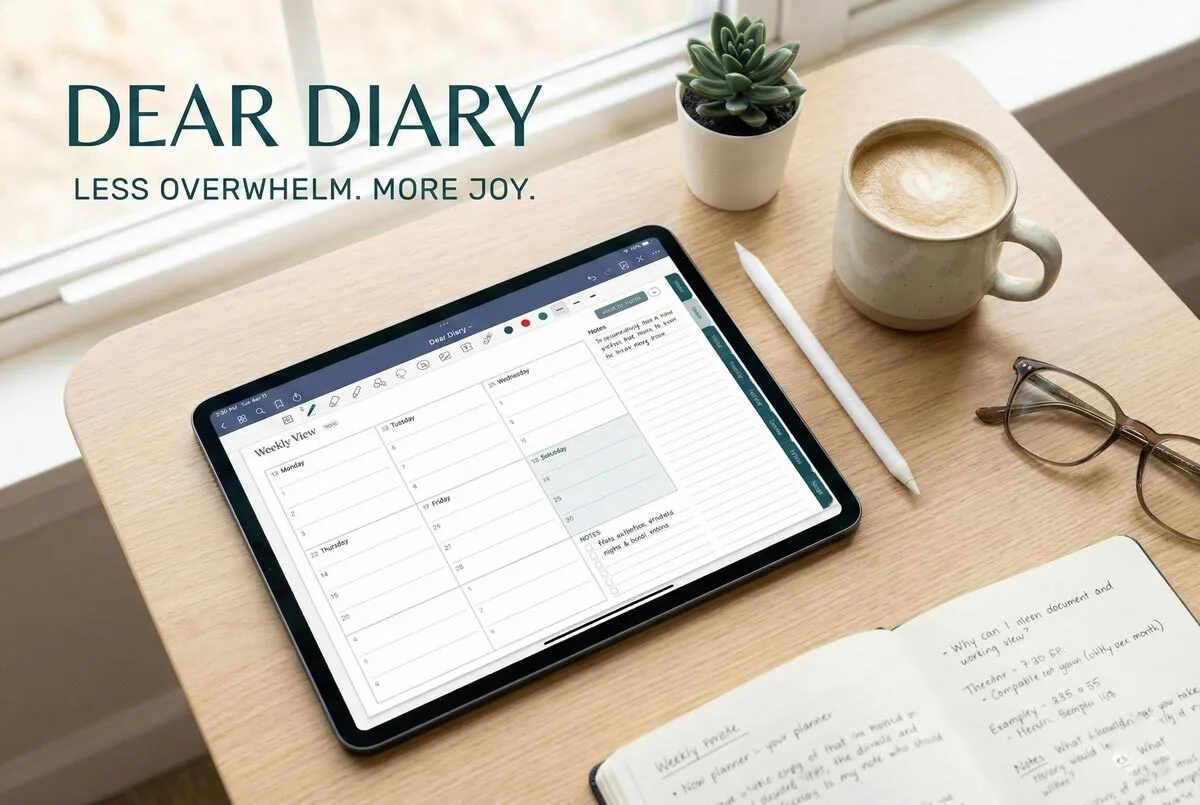
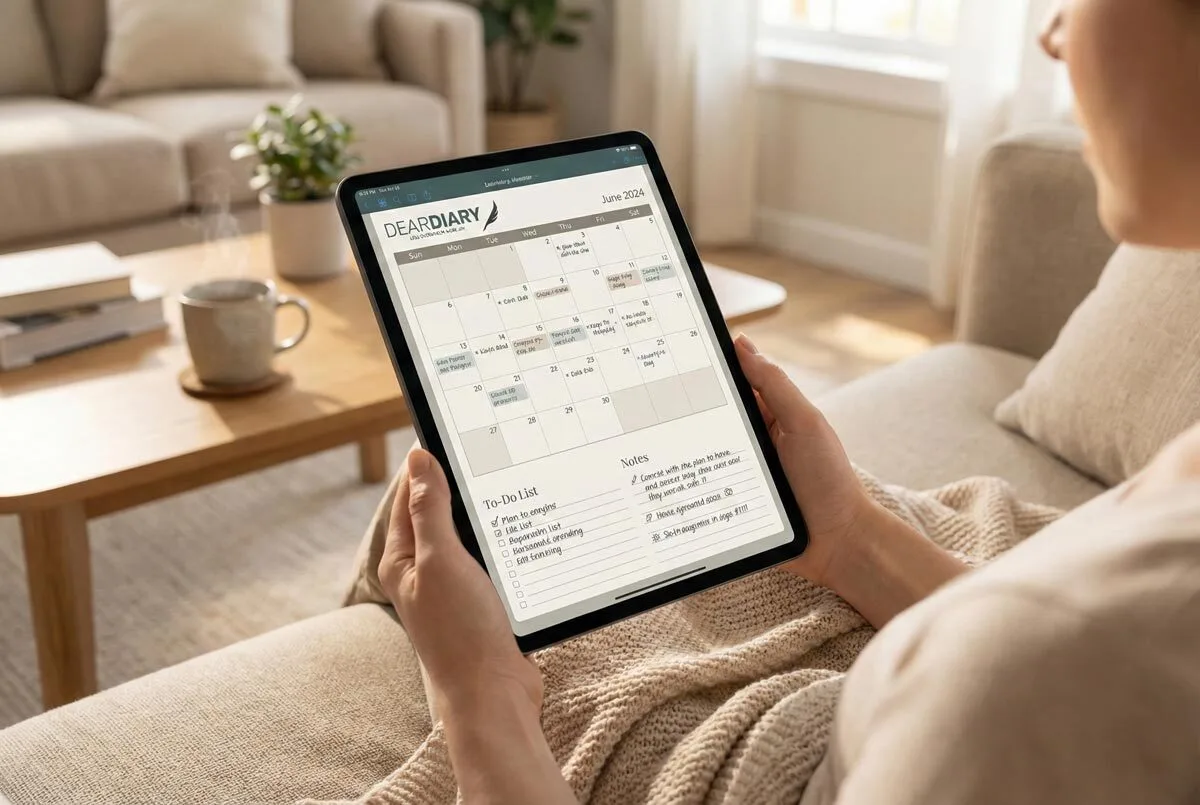
Your dream wedding starts here! The Dear Diary Wedding Planner is the perfect companion for engaged couples, designed to help you stay organized, stress-free, and inspired throughout your wedding planning journey.
In stock
Organising Guests for Maximum Comfort and Harmony
You’ve got your table layout sorted, but now comes the real challenge: deciding who sits where without sparking World War III at your reception.
Strategic guest placement isn’t just about filling seats—it’s about reading the room before the room even exists and preventing your university mate from cornering your boss about cryptocurrency.
The key lies in understanding family dynamics, friend group hierarchies, and those unspoken tensions that could turn your dream day into a diplomatic disaster. Start this process about two months before the wedding to give yourself ample time for adjustments as RSVPs come in.
For a creative touch, consider using trending sticker designs to personalise place cards or seating charts with unique themes like florals or foliage. Additionally, keep open lines of communication with your loved ones about seating preferences and potential conflicts. Incorporating smart wedding planning tips can help you navigate these delicate situations with ease.
Ultimately, the goal is to create an inviting atmosphere where all your guests feel comfortable and included.
Use digital tools to visualise your seating arrangements and make adjustments easily as you group guests by relationships and preferences.
Strategic Guest Placement
The distinction between a coordinated festivity and an uncomfortable dinner gathering often hinges on one crucial choice: where you position your attendees.
Tactical arrangement isn’t merely about occupying seats—it’s about fostering bonds. Place immediate family members at optimal tables adjacent to the dance area, whilst keeping senior relatives away from loudspeakers. Your university friends? Seat them close to the music zone where they’ll instinctively drift anyway. For added organisation, consider using specialty planners to map out seating arrangements in advance.
Cluster guests by common hobbies: skiing enthusiasts, literary groups, or workplace colleagues. C
onsider mobility requirements as placement criteria, situating older individuals near toilets and quieter sections. Allocate those desirable front seats for special guests, but steer clear of positions behind obstructive rows.
A handmade seating chart crafted by a family member can add sentimental value while serving as a keepsake after your celebration. Always have removable inserts in escort card envelopes ready for quick reassignments when last-minute changes arise.
Managing Difficult Dynamics
Whilst strategic guest placement creates opportunities for connection, managing difficult interactions requires even more finesse—because nothing derails a celebration quite like Uncle Bob confronting your ex-boyfriend at the appetiser station.
You’ll need tactical separation without obvious snubbing. Place conflicting guests at different tables within the same area, acknowledging their importance whilst minimising direct contact. Insert neutral personalities as natural buffers between groups requiring emotional distance.
Balance extroverts and introverts at each table to maintain comfortable energy levels. Seat shy guests with talkative anchors who’ll carry conversations without overwhelming them.
Position disruptive personalities within mixed groups where composed individuals can soften their impact. Strategically distribute these mood anchors throughout your venue to create multiple positive energy centres that elevate the overall atmosphere.
Using a comprehensive wedding planner can help by providing dedicated sections to map out seating charts with ease, ensuring every detail is considered. (dedicated sections)
Consider timing changes post-entrée, allowing natural movement during speeches. Place introverts near exits for easy breaks, and use themed décor as conversation starters for guests with limited connections.
Remember that pleasing everyone is simply impossible during the planning process, so focus your energy on preventing the most obvious conflicts.
Creating the Perfect Head Table Arrangement
How do you create a head table that honours tradition whilst reflecting your unique style? Start with strategic positioning—place yourselves front-centre with your wedding party flanking either side. This ensures ideal visibility for toasts and photos.
| Configuration | Best For |
|---|---|
| Traditional Linear | Small wedding parties (4-6 people) |
| U-Shaped | Large groups wanting conversation flow |
| Serpentine Curved | Visually striking, modern aesthetic |
| Hybrid Mixed | Blending formal and casual elements |
| King Arthur Round | Intimate, equal-status seating |
Consider your guests’ needs when finalising arrangements. Place elderly relatives closer to toilets and ensure wheelchair accessibility.
Use the “alpha seat” principle—you’re the stars, so claim that prime real estate. Don’t forget conflict mitigation; separate feuding relatives strategically.
For optimal photos and guest interaction, leave two seats empty directly in front of the couple to maintain clear sightlines. A sweetheart table creates a romantic setting for your first meal together as newlyweds. Your head table sets the celebration’s tone.
Managing Difficult Guest Combinations and Family Dynamics
Even seasoned event planners break into cold sweats when Uncle Jerry and your stepfather are both on the guest list. Successfully managing difficult guest combinations requires strategic thinking and diplomatic finesse.
Start by identifying potential conflict zones. Seat divorced parents at separate tables, ensuring they’re not within direct sightlines. Place stepparents with their biological partners whilst keeping family dynamics respectful.
When dealing with polarising personalities, use “buffer guests” – those charming connectors who can steer conversations smoothly.
Your damage control toolkit includes:
- Strategic spacing: Keep feuding relatives at opposite sides of the venue
- Neutral mediators: Position diplomatic family members between potential conflicts
- Escape routes: Seat difficult guests near exits for quick departures
- Age mixing: Blend generations thoughtfully to encourage positive interactions
Digital Tools and Templates for Streamlined Planning

Gone are the days of scribbling guest names on scraps of paper and moving them around your kitchen table like chess pieces. Digital tools transform this chaotic process into a streamlined experience that’ll save your sanity.
WeddingWire offers drag-and-drop table placement with mobile access, perfect for adjusting layouts during venue visits.
Seating Chart Maker creates arrangements in just three minutes, automatically syncing with your guest list.
Canva provides beautiful templates featuring watercolour and modern designs you can customise.
These platforms handle the heavy lifting: tracking dietary restrictions, managing family dynamics, and generating multiple seating versions for comparison. Templates eliminate redundant work, whilst collaboration features let you share progress with your partner.
Export options enable quick printing or emailing—no more kitchen table disasters.
Smooth Transitions From Ceremony to Reception Seating
Smooth Transitions From Ceremony to Reception Seating
Whilst digital planning tools handle the logistics beautifully, they can’t solve one essential challenge: moving your guests from ceremony chairs to reception tables without creating a traffic jam that resembles Black Friday shopping.
The secret lies in strategic overlap and clear communication. Schedule your post-ceremony photos immediately after “I do” – this gives your volunteer team precious minutes to work their magic.
Consider cabaret-style seating where guests stay put whilst tables appear around them, or arrange ceremony chairs in creative patterns that double as reception seating.
Essential transition strategies:
- Pre-stage reception areas behind ceremonial space to minimise setup time
- Assign specific volunteers to chair relocation during photo sessions
- Provide clear signage directing guests to designated reception areas
- Build buffer time into your timeline for seamless setup completion
Your guests will appreciate the smooth flow.
Wedding Etiquette and Traditional Seating Practices
Comprehending traditional wedding etiquette assists you in navigating the complex social dynamics of seating arrangements with confidence.
You’ll need to balance honouring long-established customs with your personal preferences, especially when deciding between a formal head table or intimate sweetheart table setup.
Cultural considerations and VIP guest placement add another layer of complexity, but grasping these fundamentals ensures your guests feel appropriately honoured and comfortable.
Head Table Arrangements
Head table arrangements can make or break your reception’s flow, and honestly, there’s no shortage of opinions about who should sit where. You’ll need to decide between traditional wedding party seating versus family-centric options, and each choice affects your guests’ experience differently.
Traditional setups place you and your partner centrally, flanked by your best man and maid of honour. Alternating bridesmaids and groomsmen creates visual balance, though their spouses often end up at secondary tables—which can feel awkward.
Consider these creative alternatives that better serve everyone:
- Sweetheart tables give you intimate couple time
- U-shaped arrangements encourage guest interaction
- Family-only head tables prioritise immediate relatives
- King’s table circular designs promote conversation
Whatever you choose, ensure accessibility accommodations and strategic lighting highlight your celebration.
Cultural Seating Considerations
Why does seating suddenly become ten times more complex when cultural traditions enter the scene? You’ll need to navigate religious dietary restrictions, gender-specific arrangements, and hierarchical family structures with finesse.
Start by designating kosher-specific tables and alcohol-free sections for observant guests. Islamic weddings often require separate male-female seating areas, so communicate these preferences discreetly beforehand. Position elder family members closest to the couple – it’s non-negotiable in most cultures.
Blend traditions thoughtfully by combining round Western-style tables with long Eastern banquet arrangements. Use place cards with subtle dietary indicators and avoid unlucky table numbers per cultural taboos.
Train your staff to handle seating questions sensitively, and don’t hesitate to involve cultural advisers during planning. Your guests will appreciate the thoughtful accommodation.
VIP Guest Placement
When you’re mapping out VIP guest placement, you’re fundamentally creating a diplomatic minefield where one wrong move can trigger decades of family drama. Your VIP table should be positioned front-centre, facing guests, with round tables accommodating 10-20 people comfortably.
Place the bride and groom facing guests—groom on his family’s side, bride on hers. This creates natural territory divisions that prevent awkward conversations.
Essential VIP placement strategies:
- Position bride’s parents left of bride, groom’s parents right of groom
- Reserve grandparents for VIP table or high-priority secondary seating
- Include wedding party members if space permits without overcrowding
- Create buffer zones between potentially problematic family combinations
For rectangular venues, consider central positioning for a communal feel.
Accommodating Special Needs and Last-Minute Changes

How do you manage the unexpected challenges that inevitably arise during wedding planning—the guest who neglected to mention they use a wheelchair, the unannounced plus-one who turns up, or the toddler who wasn’t included in your initial headcount?
Start by including a “Special Requests” section on your RSVPs. This will help you identify most accessibility requirements early on.
Keep flexible seating arrangements as a contingency: a few individual chairs, one extra table, and blank escort cards.
Review your seating plan 24 hours before the big day.
Train your coordinator to manage real-time adjustments with poise.
Position wheelchair users near entrances and group families with dietary restrictions together—it simplifies service.
When chaos ensues (and it will), breathe. Your vendors need immediate updates regarding dietary changes or seating rearrangements.
Your guests simply need to feel welcomed, not perfect organisation.
Common Seating Chart Mistakes and How to Avoid Them
Even experienced planners who have mastered the art of adaptability can trip over seating chart basics that appear misleadingly straightforward. You’ll want to avoid these critical mistakes that can turn your reception into chaos.
Begin your chart early—waiting for final RSVPs causes unnecessary stress and restricts adjustment time.
Don’t arrange alphabetically for large weddings; guests shouldn’t have to search through countless names.
Position your display prominently with high-contrast fonts that everyone can easily read.
Key errors to avoid:
- Overcrowding tables with more than 8-10 guests at round tables
- Creating uncomfortable “singles tables” that isolate guests
- Forgetting to number individual tables clearly
- Overlooking VIP seating requirements for elderly relatives
Frequently Asked Questions
How Far in Advance Should I Start Creating My Wedding Seating Chart?
You should start creating your wedding seating chart 3-4 months before your wedding. This timeline gives you adequate time to accommodate family dynamics, guest preferences, and vendor requirements whilst allowing flexibility for last-minute changes.
Should I Include Vendor Meals in My Seating Chart Planning?
Most couples spend £30-90 per vendor meal, yet you shouldn’t include vendors in your seating chart. They’ll eat separately in designated areas during breaks, allowing you to focus your chart exclusively on guest arrangements.
What’s the Ideal Number of Tables for a 100-Guest Wedding Reception?
You’ll need 10-13 tables for 100 guests. Use 10-12 round tables seating 8-10 each, or mix 8-10 farmhouse tables with 3-5 round tables to create flexible arrangements that encourage conversation.
Can I Have Multiple Seating Charts for Different Reception Activities?
Like a director staging different acts, you’ll orchestrate seamless passageways through creating separate seating charts for cocktails, dinner, and dancing. This thoughtful approach guarantees your guests’ comfort throughout each unique reception phase.
Should Plus-Ones Sit Together if They Don’t Know Other Guests?
You should seat plus-ones with their invitees to prevent isolation. Strangers feel more comfortable staying near familiar faces rather than being grouped with other unknown guests at separate tables.