Start with your A-list of 50-70 closest people, then use venue capacity as your diplomatic shield against pressure. Create clear categories for plus-ones and children, communicate decisions as unified partner choices, and remember each guest costs R3,700-R5,700. Host alternative gatherings like braais for extended family you can’t invite. Use digital RSVP tools to mechanise tracking beyond 50 guests, and reshape limitations into intimacy opportunities. Strategic planning turns potential relationship drama into celebration wins.
Key Takeaways
- Begin with an A-list of 50-70 closest family and friends, then expand only if budget and venue capacity permit.
- Utilise venue capacity limits as diplomatic tools to manage guest list size and alleviate external pressures from family.
- Develop meaningful alternatives such as intimate braais or virtual gatherings to honour relationships without over-inviting to the main event.
- Establish clear plus-one criteria early on, specifying spouses/partners only and including specific names on invitations to prevent confusion.
- Turn limitations into opportunities by presenting venue constraints as chances for deeper connections and more intimate celebrations.
Define Your Wedding Vision to Shape Your Guest List Strategy

Before you start scrolling through your phone contacts as if you’re casting a reality programme, take a step back and define what your wedding truly means to you. Your vision guides everything else—including who merits a seat.
Your wedding vision should guide your guest list decisions, not your phone contacts or social obligations.
Do you desire an intimate gathering where you can genuinely speak to everyone? You’re looking at a maximum of 50-75 guests. To help organise your thoughts and emotions during this planning phase, consider using a digital prayer journal to reflect on your priorities and seek clarity.
Are you dreaming of a grand celebration with dancing until dawn? Plan for 100-200 people and budget accordingly.
Your atmosphere goals determine your guest list size, not the other way around. A cosy garden ceremony calls for close family and best friends only. A ballroom reception? You’ve got space for university flatmates and work colleagues.
Match your headcount to your venue capacity early—before you fall in love with a space that holds 80 when you need 150. Don’t assume that a quarter of your invitees will decline, as RSVP rates have been surprisingly high in recent years. Remember that your guest list serves as a blueprint for all the other decisions you’ll make throughout your planning process.

Wedding Planner
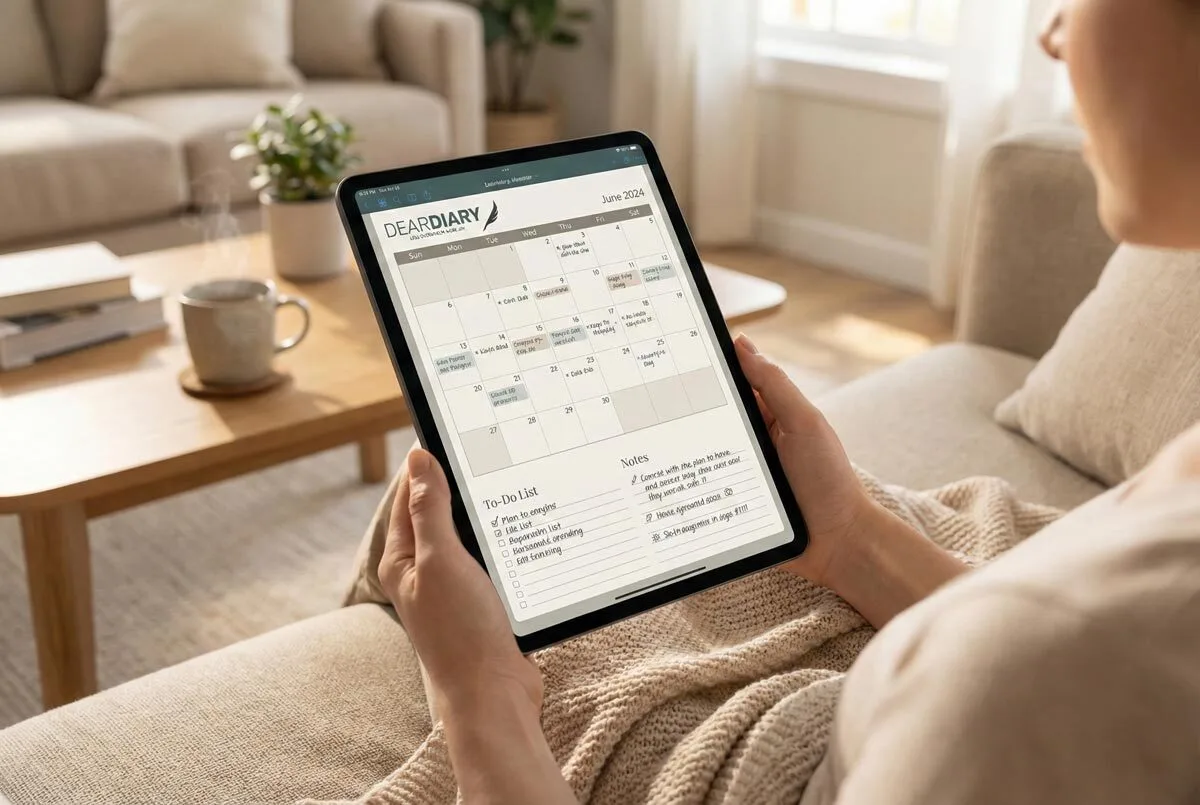
Your dream wedding starts here! The Dear Diary Wedding Planner is the perfect companion for engaged couples, designed to help you stay organized, stress-free, and inspired throughout your wedding planning journey.
In stock
Balance Budget Constraints With Must-Have Attendees
While dreaming about your perfect day feels magical, reality hits when you realise each guest costs between R3,700-R5,700—and that’s just the average. Your heart wants everyone there, but your wallet has other plans.
Start by creating your A-list of 50-70 essential guests—immediate family and closest friends who’d be devastated to miss your celebration. These people have 90-95% attendance rates, so you’re investing wisely. To stay organised, consider using planner stickers to visually map out your guest list and seating arrangements.
Reserve B-list invitations for when A-list acceptance drops below 75%.
Here’s the encouraging news: reducing your guest list by just 20% cuts catering and venue costs by 15-25%. That savings could upgrade your honeymoon or amplify your emergency fund—gifts that serve your future together beautifully. Remember that venue and catering typically consume over half your wedding budget, making guest count decisions crucial for overall financial planning.
Consider weekday weddings as they naturally reduce guest attendance while maintaining your closest relationships, allowing you to celebrate intimately without the awkwardness of excluding people from your invitation list.
Navigate Family Expectations While Maintaining Control
Family members will inevitably have opinions about your guest list, from your aunt insisting her entire book club deserves invitations to your mum suddenly remembering twelve “essential” family friends.
You’ll need to establish firm delimitations from day one, create backup celebration plans for those who don’t make the cut, and use your venue’s capacity limits as your diplomatic shield. For guests contributing financially, you should include their families or key invitees as this demonstrates respect for their investment in your celebration. External pressures and feelings of obligation should be evaluated to ensure invitations are aligned with your true priorities. If you’re feeling stuck or overwhelmed by these decisions, consider tools like overcoming self-sabotage strategies to help clarify your priorities and take confident action.
The key is taking control of these conversations before they spiral into guilt trips and last-minute demands that blow up your carefully planned celebration.
Set Clear Boundaries Early
Once you’ve determined who truly matters to you, the real challenge begins: protecting your guest list from well-meaning family members who suddenly turn into wedding planning experts. Setting boundaries early prevents last-minute negotiations and keeps stress levels manageable.
Start with clear rules about specific categories: plus-ones, children, or out-of-town guests. Present these decisions as unified choices between you and your partner, not negotiable suggestions. To stay organised, consider using planner stickers to visually map out your guest list categories and priorities.
When parents offer input, acknowledge their feelings whilst maintaining control. Consider allocating specific numbers of guests that each set of parents can suggest to balance their involvement with your overall vision. Remember that approximately 15% of guests will likely decline your invitation, which can provide some flexibility in your planning.
- Discuss priorities with parents before creating your list
- Present unified decisions to prevent family dynamics from taking over
- Set boundaries directly whilst acknowledging loved ones’ input
- Communicate logistical limitations clearly to reduce pushback
- Offer alternative celebrations as compromises when needed
Create Alternative Family Events
Setting limits protects your wedding vision, but disappointed relatives still need somewhere to channel their excitement about your big day. Create meaningful alternatives that honour family relationships whilst maintaining your boundaries.
Consider hosting smaller, intimate gatherings that feel special rather than consolatory. Plan a casual engagement party braai, organise virtual game nights using platforms like Jackbox, or arrange hybrid movie nights where everyone watches together via video calls. These shared activities strengthen family bonds since most people spend nearly half their free time with household members anyway.
For those interested in deeper family connections, pool resources to research your shared heritage and create lasting keepsakes like family biographies that preserve ancestor stories for future generations.
| Low-Pressure Options | Creative Experiences |
|---|---|
| Museum group outings | Collaborative recipe books |
| Park picnics with takeaways | Joint genealogy projects |
| Virtual storytelling sessions | Family skill-sharing workshops |
These alternatives let you connect authentically without wedding-day pressure. You’re offering genuine relationship-building opportunities, not just throwing consolation prizes at excluded relatives.
Communicate Limited Space Constraints
When venue capacity becomes your greatest ally, you’ll discover that physical limitations provide the perfect diplomatic shield against boundary-pushing relatives. Your intimate garden venue that seats exactly 80 guests isn’t a restriction—it’s your saving grace when Aunt Martha insists on inviting her book club.
Frame these constraints positively by emphasising meaningful connections over crowd size.
Digital RSVP tools like RSVPify help track real-time attendance whilst your wedding website’s FAQ section explains capacity rationale professionally. Plan for 83% attendance from confirmed RSVPs, maintaining 5-10% buffer slots for essential last-minute additions.
Use invitation wording stating “Please respect our space constraints.”
Offer waitlist options for overflow guests.
Restrict plus-ones except for spouses or partners.
Share seating charts demonstrating physical limitations.
Create tiered A-list and B-list invitation strategies.
Create Meaningful Diversity Across Your Guest Categories

You don’t want your guest list looking like a copy-and-paste from your LinkedIn connections—bringing together people from different industries and backgrounds creates the kind of energy that makes events memorable.
When you’re intentional about mixing tech executives with artists, seasoned professionals with emerging talent, and varying viewpoints across age groups and experiences, you’re setting up natural conversation starters that wouldn’t happen otherwise.
The goal isn’t ticking diversity boxes; it’s designing an environment where unexpected collaborations spark because people actually have something fresh to learn from each other.
Cross-Industry Networking Opportunities
Cross-industry networking reshapes your guest list from a predictable echo chamber into a vibrant catalyst for innovation and unexpected opportunities. When you invite healthcare professionals alongside tech innovators, or pair financial experts with creative designers, you’re creating conditions for breakthrough collaborations that single-industry events simply can’t match.
You’ll discover that 35% of professionals have secured new opportunities through casual connections, proving these diverse interactions work.
The cross-promotion market’s 9.8% growth rate reflects this trend’s sustainability.
Strategic cross-industry invitations offer multiple advantages:
- Foster unexpected collaborations between divergent experience backgrounds
- Enable knowledge transfer across traditional sector boundaries
- Create access to diverse skill sets for amplified problem-solving
- Generate strategic alliance opportunities without direct competition
- Expand professional networks beyond single-industry limitations
Balanced Demographic Representation
Why does meaningful demographic representation feel like guessing at a moving target when you’re building your guest list? You’re not imagining it—creating genuine diversity requires intentional strategy, not wishful thinking.
Start with optional registration fields for gender, ethnicity, and disability status. These improve data accuracy whilst respecting privacy boundaries. Include clear opt-out options because ethical practices matter.
Use pre-event surveys to identify underrepresented demographics before sending invitations. This prevents last-minute scrambling. Target your outreach campaigns towards communities consistently absent from past events.
Consider hybrid formats—they enable 40% greater diversity by removing geographic and physical barriers. On-demand content accommodates varied schedules and time zones across South Africa’s diverse regions.
Track your progress through post-event satisfaction surveys that evaluate belonging across demographics. Attendance analytics reveal which groups engage least with your content, helping refine future invitations.
Implement Smart RSVP Tracking and Communication Systems

While manually tracking RSVPs might work for intimate dinner parties, it becomes a logistical nightmare once your guest list hits 50 or more people. You’ll find yourself drowning in spreadsheets, chasing down non-responders, and second-guessing attendance numbers right up until event day.
Manual RSVP tracking transforms from manageable dinner party coordination into a spreadsheet-fuelled nightmare once you exceed 50 guests.
Smart RSVP systems convert this chaos into efficient coordination. These platforms automatically collect responses, send targeted notifications, and provide real-time attendance dashboards that’ll make your planning infinitely easier.
- Automate reminder sequences to eliminate the awkward follow-up calls
- Centralise guest information in one accessible database instead of scattered notes
- Track engagement metrics for polls and session participation during hybrid events
- Generate instant reports for attendance summaries and post-event analysis
- Integrate payment processing seamlessly for ticketed gatherings
You’ll save 15-20 hours per 200 guests whilst dramatically improving accuracy.
Handle Plus-Ones and Last-Minute Changes Like a Pro
Nothing sends even experienced event planners into panic mode quite like managing plus-one requests and last-minute guest changes. You’ll save yourself countless headaches by setting clear eligibility criteria upfront—specify spouses and long-term partners only, not random friends or neighbours.
When designing invitations, include specific names like “John and Guest” rather than vague “+1” symbols. This prevents ambiguous requests later.
For inevitable enquiries, use polite stock responses: “We’re reviewing venue limits and will confirm soon.”
Your venue capacity and budget should dictate decisions, not emotions. Destination weddings naturally deter plus-ones due to travel costs—37.3% find them prohibitive.
Transform Guest List Challenges Into Celebration Opportunities
Transform Guest List Challenges Into Celebration Opportunities
Smart event planners know that guest list obstacles aren’t roadblocks—they’re opportunities to create something extraordinary. When traditional approaches fall short, you can redefine limits into memorable experiences that guests will actually thank you for.
Guest list challenges aren’t problems to solve—they’re invitations to design celebrations that exceed every expectation.
That venue capacity forcing cuts? Perfect excuse for an intimate gathering where everyone truly matters. Health restrictions requiring testing? Turn it into a wellness-focused celebration that shows you prioritise guest safety. Limited plus-ones creating drama? Frame it as quality time with your closest circle.
- Design interactive guest books using vinyl records or quilt squares for lasting keepsakes
- Implement tiered guest lists with A-list and B-list backup pools for flexibility
- Create digital health surveys to streamline COVID testing and vaccination requirements
- Use QR codes for instant RSVP tracking and real-time attendance management
- Establish clear boundaries as “intimacy over quantity” messaging
Frequently Asked Questions
How Do You Politely Uninvite Someone After Already Sending an Invitation?
You should contact them directly via call or text, explain you’re downsizing due to venue constraints, express sincere regret, and offer an alternative way to celebrate together soon.
What’s the Best Way to Handle Divorced Parents Who Refuse Seating Proximity?
You’ll want to separate them completely by placing each guardian at opposite ends of the aisle with family members as buffers, then allocate different tables at the event while maintaining equal respect.
Should Colleagues Automatically Receive Invitations if You’re Friends on Social Media?
Don’t judge a book by its cover—social media friendships aren’t true-life closeness indicators. You should assess actual relationships through meaningful interactions, shared experiences, and sincere connections rather than online connections when assembling thoughtful guest lists.
How Do You Manage Guests Who Consistently RSVP Yes but Never Show Up?
You should monitor their attendance patterns and engage in frank discussions about commitment. Consider requiring confirmation before events or introducing small deposits. Ultimately, you may need to restrict invitations to safeguard the experience of other guests.
Is It Acceptable to Have Different Meal Options Based on Guest Categories?
Sarah offered plated dinners for elderly relatives whilst serving family-style platters for university friends. You’re absolutely right to customise meal options according to guest categories—it shows thoughtfulness and guarantees everyone’s dining experience feels perfectly tailored.