Vision boards work by activating your brain’s visual cortex and conditioning your subconscious to prioritise goals, effectively doubling your achievement rates compared to traditional goal-setting methods. When you create specific, emotionally resonant images of your dreams, you’re changing abstract wishes into concrete targets your mind can actively pursue. Research shows 82% of users reach over half their objectives because vision boards develop agency thinking—helping you identify multiple pathways to success whilst maintaining consistent focus on what truly matters to you.
While critics might dismiss vision boards as wishful thinking, research shows they’re actually powerful tools that can double your chances of achieving your goals. When 82% of small business owners using vision boards achieve more than half their objectives, it’s clear there’s something more meaningful happening than mere optimism.
Research demonstrates vision boards can double goal achievement rates, with 82% of business owners reaching over half their objectives through strategic visualisation.
The science behind vision boards reveals why they’re so effective. When you create and regularly view your board, you’re activating your brain’s visual cortex, which improves imagination and creativity.
This repeated exposure conditions your subconscious to prioritise the goals you’ve visualised, creating synaptic reinforcement as your dreams shift from abstract wishes to concrete targets. Basically, you’re rewiring your brain to focus on what matters most.
Vision boards excel at changing vague aspirations into clear, actionable objectives. Instead of saying “I want to be successful,” you’ll create specific visual representations of what success looks like for you. This clarity helps break down overwhelming dreams into manageable steps.
Research shows that 63% of people believe visualisation aids their planning process, and it makes sense—when you can see your destination clearly, mapping the route becomes much easier. Vision boards also function as powerful tools in employee training, with 35% of small business owners incorporating visuals to develop their teams.
The psychological benefits extend beyond simple goal-setting. Vision boards correlate with higher levels of hope and optimism, two factors that greatly improve your resilience when facing obstacles.
This isn’t about blind positivity; it’s about developing agency and pathway thinking. You’ll find yourself naturally identifying multiple routes to reach your objectives and maintaining motivation even when one approach doesn’t work.
Business owners particularly benefit from this approach. Studies reveal that 76% report their companies align with their initial visions after using boards, whilst users show 59% confidence in goal achievement compared to just 31% for those who don’t visualise.
The boards serve as constant prompts of your commitment, counteracting procrastination by keeping priorities top-of-mind. The key lies in creating detailed, emotionally resonant boards.
Generic images won’t cut it—you need visuals that create visceral connections to your desired outcomes. Whether you’re pursuing health goals, career advancement, or skill development, the more specific and personally meaningful your images, the stronger your cognitive connection becomes.
A comprehensive TD Bank study of over 1,100 individuals provided compelling evidence for vision board effectiveness across diverse populations and goal types. Vision boards activate mirror neurones, which enhance your skills and performance by simulating the experiences you’ve visualised. Interestingly, young South Africans seem to grasp this intuitively, with 60% prioritising vision boards when starting new ventures. They’re 59% more likely to use this visualisation technique, perhaps recognising that strategic imagery helps align intent with actionable steps.
Your vision board isn’t magic—it’s a practical tool that utilises proven psychological principles. By engaging your visual processing systems and strengthening your emotional commitment to specific outcomes, you’re creating a powerful structure for achievement.
The research consistently shows that visualisation techniques enhance self-efficacy and encourage proactive planning rather than reactive scrambling. When you regularly expose yourself to clear representations of your goals, you’re not just dreaming—you’re programming your mind for success.
That’s why vision boards work so effectively for turning aspirations into reality.
Frequently Asked Questions
How Often Should I Update or Change My Vision Board?
You should update your vision board quarterly during planned review cycles, after achieving major milestones, or when your goals shift. Monthly check-ins help maintain relevance whilst daily exposure reinforces your intentions.
What Materials Work Best for Creating a Physical Vision Board?
You’ll need a sturdy base like poster board or corkboard, scissors for cutting magazine images, glue sticks or drawing pins for attachment, and markers for personal touches and motivational quotes.
Can Digital Vision Boards Be as Effective as Physical Ones?
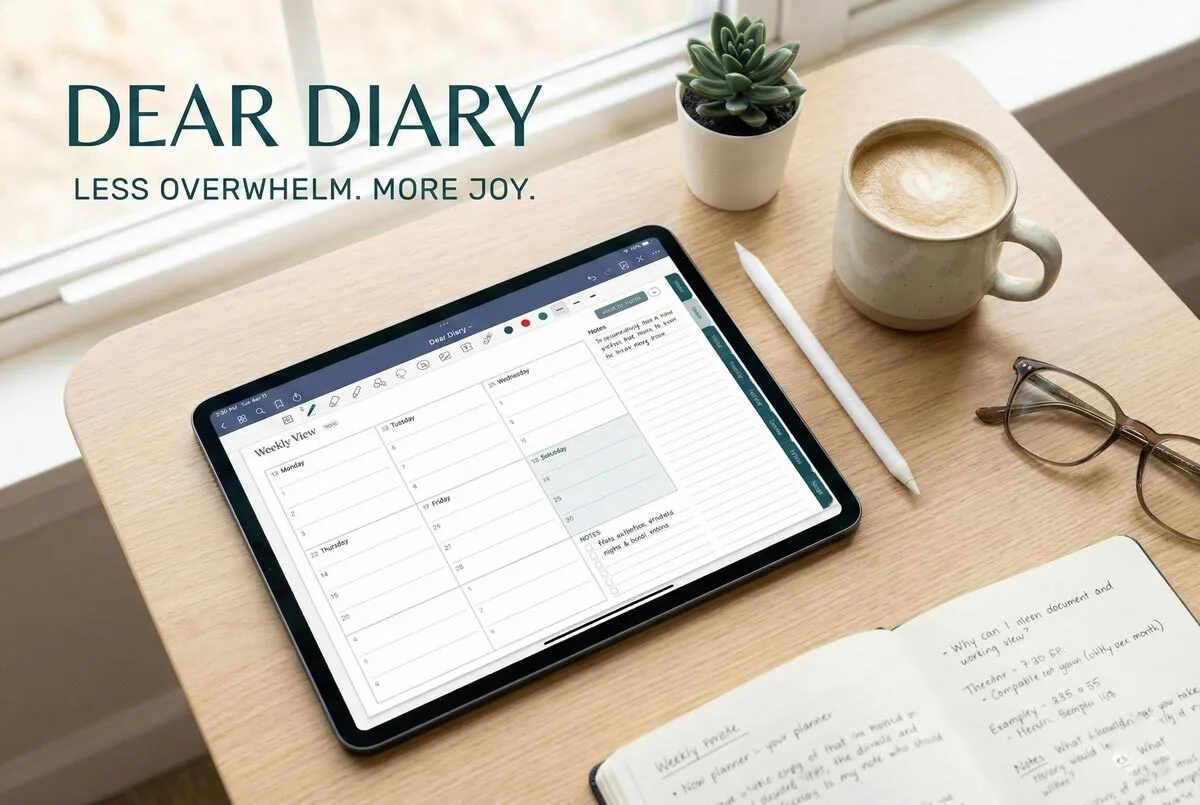
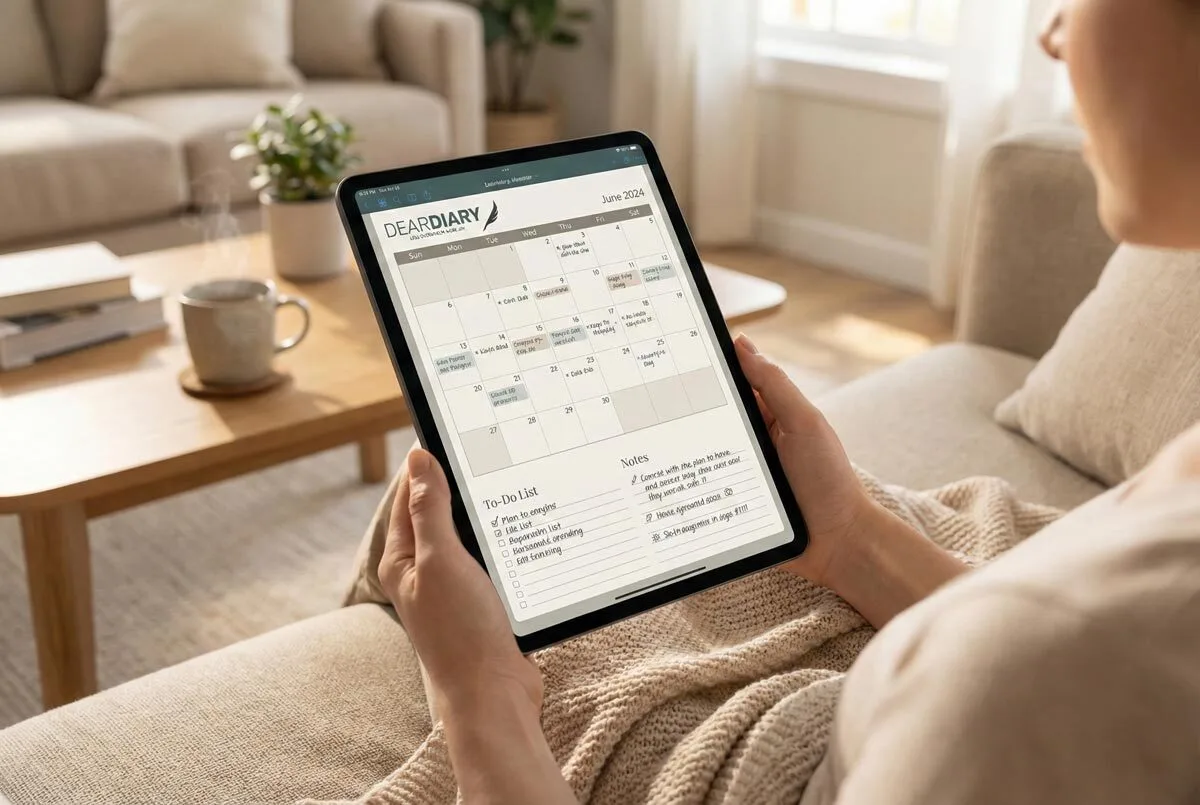
Digital vision boards can be effective, but you’ll likely find physical ones more emotionally engaging. You’re trading tactile connection and ritual for convenience. Choose based on whether you prioritise accessibility or deeper sensory involvement.
How Long Does It Typically Take to See Results From Vision Boards?
You’ll typically see initial progress within weeks to months, with personal goals showing quicker results than business objectives. Your timeline depends on goal complexity, confidence levels, and consistent engagement with your vision board.
Should I Share My Vision Board With Others or Keep It Private?
You’ll benefit most from a balanced approach. Share career goals with mentors for accountability, keep deeply personal dreams private for protection, and consider selective disclosure with trusted friends who’ll support your path.