You’ll create space for creativity and joy by prioritising workspace organisation and comfort over aesthetics. Start with flexible storage solutions like modular shelving to reduce the clutter that undermines 65% of creative professionals’ satisfaction. Choose conventional, well-lit environments over overly eclectic spaces—they actually yield more unique ideas. Maintain a growth mindset that reframes failures as developmental phases, and allocate dedicated time blocks for exploration beyond urgent tasks. There’s much more to optimising your creative environment.
Creating Space for Creativity and Joy
While you might assume creativity thrives in chaos, the reality is quite different—your physical environment directly impacts your ability to generate ideas and find joy in your work. Research shows that 65% of creative professionals report frustration from inadequate workplace environments, which directly undermines their productivity and satisfaction.
Your first priority should be enhancing your workspace storage and organisation. Nearly half of all creative professionals use external storage solutions to manage space limitations effectively.
Smart storage and organisation form the foundation of any productive creative workspace, directly impacting your ability to focus and innovate.
You’ll want to implement flexible storage systems like modular shelving and vertical organisers to maximise your available area. More importantly, prioritise frequently used tools and materials—keeping them accessible whilst storing occasional items elsewhere reduces clutter and simplifies your workflow. This approach works particularly well in South African homes where space optimisation is essential.
However, don’t fall into the trap of creating overly unconventional spaces. Studies reveal that participants in extremely eclectic environments actually produced fewer and less unique ideas compared to those in conventional settings. The culprit is cognitive fixation on environmental clues that can limit rather than expand your imagination.
You need balance—flexibility paired with structured elements prevents disorientation whilst maintaining creative flow.
Focus on physical comfort as a foundation for mental clarity. Your creative output improves greatly when you work away from traditional desks, particularly in studios or open-air spaces that take advantage of South Africa’s beautiful climate.
Make sure you’re well-rested, hydrated, and have comfortable seating. Quiet environments with natural light and inspiring views cultivate the mental states necessary for sustained creativity. Consider incorporating music or local art into your workspace design, but avoid overwhelming yourself with distractions.
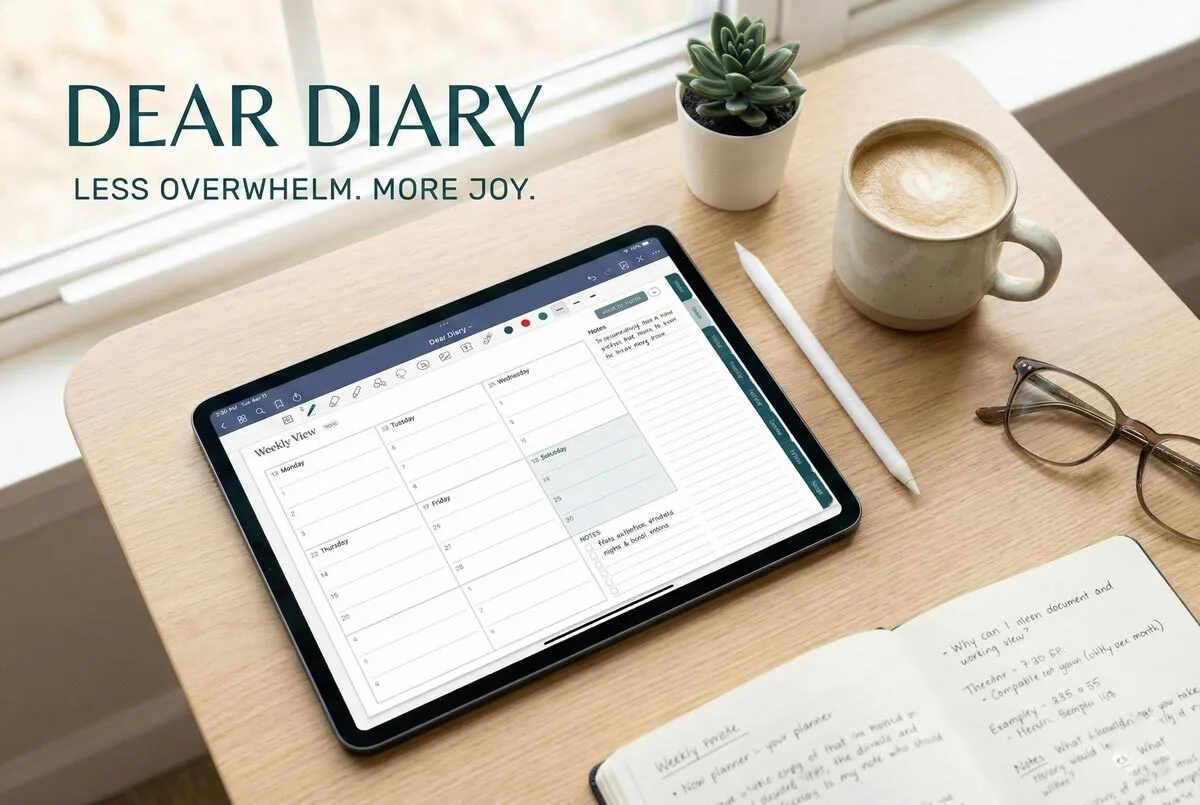
Your mindset matters just as much as your physical space. A comprehensive planning solution that addresses both creative projects and administrative tasks can help reduce mental clutter and create more space for innovation. Adopt what Carol Dweck calls a growth mindset—this encourages persistence through creative challenges and setbacks. Creating conditions that enable freedom to experiment with different creative approaches ensures you don’t limit your potential solutions to familiar patterns.
Avoid judging your works-in-progress too harshly, maintaining an open-ended, exploratory approach instead. Remember that Nobel laureates demonstrate the value of sustained, curiosity-driven exploration, and you should reframe failures as developmental phases in your creative process. Creating space to explore allows you to move beyond urgent daily tasks and focus on the important questions that drive meaningful creative breakthroughs. Digital tools offer the advantage of unlimited page duplication for testing different creative layouts and project iterations without consuming physical resources. The structured layouts of comprehensive digital planners can provide the framework needed to organise creative workflows whilst maintaining the flexibility to adapt to various project requirements.
Don’t underestimate the power of collaboration and strategic time management.
Seek out informal settings like communal spaces where spontaneous creative exchanges occur naturally. Exposure to colleagues’ innovative practices broadens your creative horizons considerably, whether in Johannesburg’s creative hubs or Cape Town’s artistic communities. Consider implementing temporary access to unconventional spaces specifically for brainstorming sessions rather than permanent workspace changes.
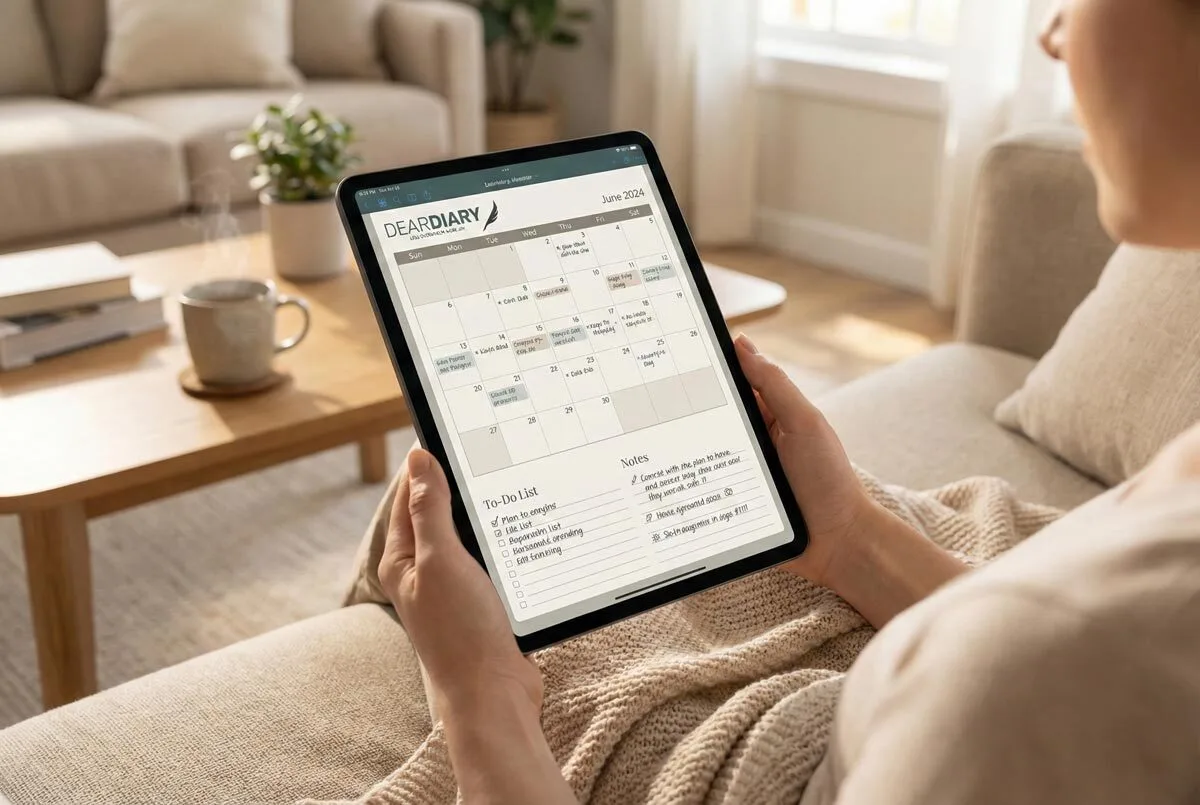
Finally, allocate dedicated blocks specifically for reflection and ideation. This prevents cognitive overload and guarantees you have protected time for the deep thinking that creativity requires. For enhanced structure, consider using goal setting pages in your planning system to map out your creative aspirations alongside daily tasks. The monthly overview format in quality planners can help you visualise how creative projects align with your broader objectives and deadlines.
Regular reassessment of your space needs ensures your workspace adjusts as your projects evolve, maintaining the ideal environment for both creativity and joy. Understanding your specific space requirements helps you identify whether you need areas for large canvases, collaborative work, or specialised equipment storage.
Frequently Asked Questions
How Much Time per Day Should I Dedicate to Creative Activities?
You should dedicate 2-4 hours daily to creative activities for ideal benefits. Start with shorter sessions and adjust based on your focus capacity and personal rhythms to avoid burnout whilst maintaining consistent practice.
What if I Don’t Consider Myself a Naturally Creative Person?
You’re not born creative—you develop it through practice. Start with structured activities like captioning images or using templates for brainstorming. Treat creativity as problem-solving rather than artistic expression to build confidence.
How Do I Maintain Creative Motivation When I’m Feeling Overwhelmed?
When you’re overwhelmed, start with micro-creative sessions—just five minutes. Set clear limits to prevent burnout, use creative coping strategies to reframe stressors as challenges, and maintain simple routines even during low-motivation periods.
Should I Invest Money in Creative Supplies or Equipment to Get Started?
Start with essential supplies rather than expensive equipment. You’ll maximise immediate creative output whilst minimising financial risk. Prioritise basics like paints, brushes, and canvases before investing in costly tools you’re still learning.
How Do I Balance Creative Pursuits With Family and Work Responsibilities?
You’ll balance creative pursuits by setting clear limits between work and family time. Schedule dedicated creative blocks, involve family in projects when possible, and welcome “good enough” standards to reduce perfectionist pressure.