You can handle sentimental clutter without guilt by remembering that memories live in your heart, not in objects collecting dust. Start by setting clear limits—designate one box or drawer for keepsakes, then prioritise items that spark joy rather than obligation. Consider digitising photos and documents to preserve memories whilst reclaiming space. Focus on displaying a few rotating favourites instead of hiding everything away. There’s much more to uncover about changing your relationship with possessions.
While physical clutter fills your space, sentimental clutter fills your heart—and that’s exactly what makes it so difficult to tackle. Unlike regular clutter, these items carry emotional weight that makes every decision feel like you’re choosing between preserving memories and reclaiming your home.
You’re not alone in this struggle—many South Africans report having unusable rooms due to clutter, much of it sentimental. The guilt you feel when considering whether to keep your gran’s crockery or your child’s artwork isn’t weakness. It’s completely normal.
Sentimental clutter often stems from grief, nostalgia, or genuine fear that discarding items means losing precious memories. However, holding onto everything can perpetuate unresolved emotions and create overwhelming stress in your daily life.
Holding onto every sentimental item can trap you in unresolved emotions and overwhelm your daily living space.
Here’s the truth: your memories aren’t stored in objects. They’re stored in your mind and heart. That realisation becomes your foundation for guilt-free decluttering.
Start by establishing clear rules for yourself. Prioritise items that evoke genuinely positive emotions, eliminate duplicates, and consider digitising photos or documents.
Ask yourself: “Does this item make me smile, or does it make me feel obligated?” There’s a significant difference between wanting to keep something and feeling you should keep it.
Designate specific zones for sentimental storage. Restrict keepsakes to one box, one drawer, or one wardrobe shelf. This boundary forces you to select thoughtfully rather than keeping everything “just in case.”
When your designated space fills up, something must go to make room for new meaningful items. Group your keepsakes by themes or stories. Maybe you’ll keep three items representing your father’s military service rather than an entire footlocker.
This approach helps you focus on the core memory while reducing physical overwhelm. Let go thoughtfully by giving items new purpose. Donate your mother’s books to a library where others can enjoy them. Reshape old t-shirts into a quilt so you’re freeing the memory rather than burying it in storage.
Rather than keeping everything hidden away, think of decluttering as intentional curation where you carefully select which belongings truly deserve space in your life.
Display a few rotating favourites instead of hiding everything away. What’s the point of keeping meaningful items if they’re packed in boxes you never open? Strategic display maintains connection whilst avoiding visual chaos.
Remember the financial reality: many people constantly replace items they can’t find due to clutter, and storage units represent ongoing expenses that often exceed the items’ actual value within months. Americans spend an average of 55 minutes daily searching for misplaced belongings, highlighting how clutter creates ongoing time costs beyond emotional attachment.
Consider this viewpoint shift: keeping everything doesn’t honour memories—it diminishes them. When every item is “special,” nothing truly stands out. Selecting your most meaningful pieces allows them to shine. Research shows that individuals in extremely cluttered homes are 77% more likely to be overweight, revealing how emotional clutter affects your overall well-being.
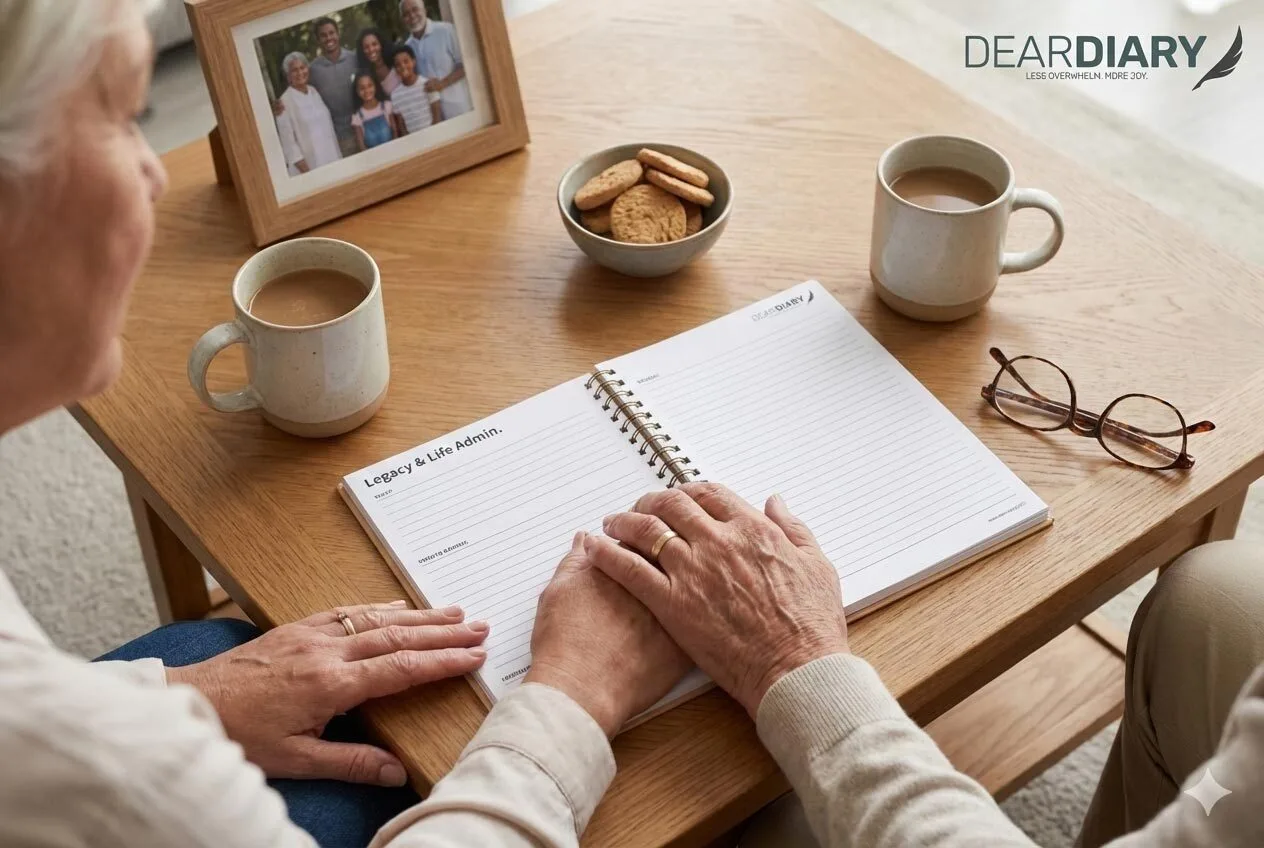
The goal isn’t emptiness; it’s intentionality. You can love someone deeply whilst releasing their possessions. You can cherish your past without letting it consume your present living space. Trust yourself to remember what matters most, with or without physical cues cluttering your home. The process of sorting through belongings can trigger deep reflection about personal legacy and what you truly want to leave behind for future generations.
Frequently Asked Questions
How Do I Decide Which Sentimental Items My Children Will Actually Want?
Ask your children directly about their preferences through conversations or surveys. Document each item’s history and significance. Consider practical usability like jewellery or furniture, since 44% of children prefer cherished, functional heirlooms.
Should I Digitise Photos and Documents Before Letting Go of Physical Copies?
You should absolutely digitise photos and documents first. Digital copies preserve memories whilst eliminating physical storage needs. You’ll maintain access to precious moments without guilt about discarding originals that take up space.
What if Family Members Disagree About Keeping Inherited Sentimental Items?
You’ll need structured family dialogue to comprehend everyone’s emotional connections. Consider rotating custody, digital preservation of memories, or neutral mediation. Document agreements in writing to prevent future conflicts and guarantee fair compromises.
How Long Should I Keep Children’s Artwork and School Projects?
You should keep children’s artwork for one school year, then digitally photograph everything before selecting only the most meaningful pieces. Create annual memory boxes with 5-10 representative works per child.
Is It Okay to Keep Sentimental Items in Storage Indefinitely?
Keeping items indefinitely isn’t sustainable and often reflects avoiding decisions. You’ll likely forget what’s stored, creating mental burden without benefit. Set annual reviews to reassess stored items and prevent emotional detachment.