You’ll enhance your daily productivity by implementing structured morning planning sessions that reclaim nearly two hours of lost time and elevate efficiency by 25%. Start with time-blocking techniques during your peak focus hours (typically 9-11 AM) for deep work, then group similar tasks to reduce mental switching costs by 40%. Use the Eisenhower Matrix to prioritise urgent versus important tasks, breaking larger projects into manageable milestones with specific deadlines. The strategies ahead will show you exactly how to sustain these systems long-term.
Essential Daily Planning Routines That Transform Your Productivity
While most productivity advice treats morning planning like an optional luxury, the data tells a starkly different story.
Those 10-12 minutes you invest in structured morning planning sessions literally recover nearly two hours of lost time and improve your productivity by 25%.
This isn’t magic; it’s executive function activation guiding your focus towards high-impact tasks.
You’ll reduce arbitrary decisions by 67%, preserving precious mental energy for what actually matters.
Task alignment strategies cut switching losses by 40% through segmented blocks.
Nightly preparation optimises execution, creating seamless transitions between activities.
Most planners fail not because of poor design, but due to mental blocks that derail consistency within the first month.
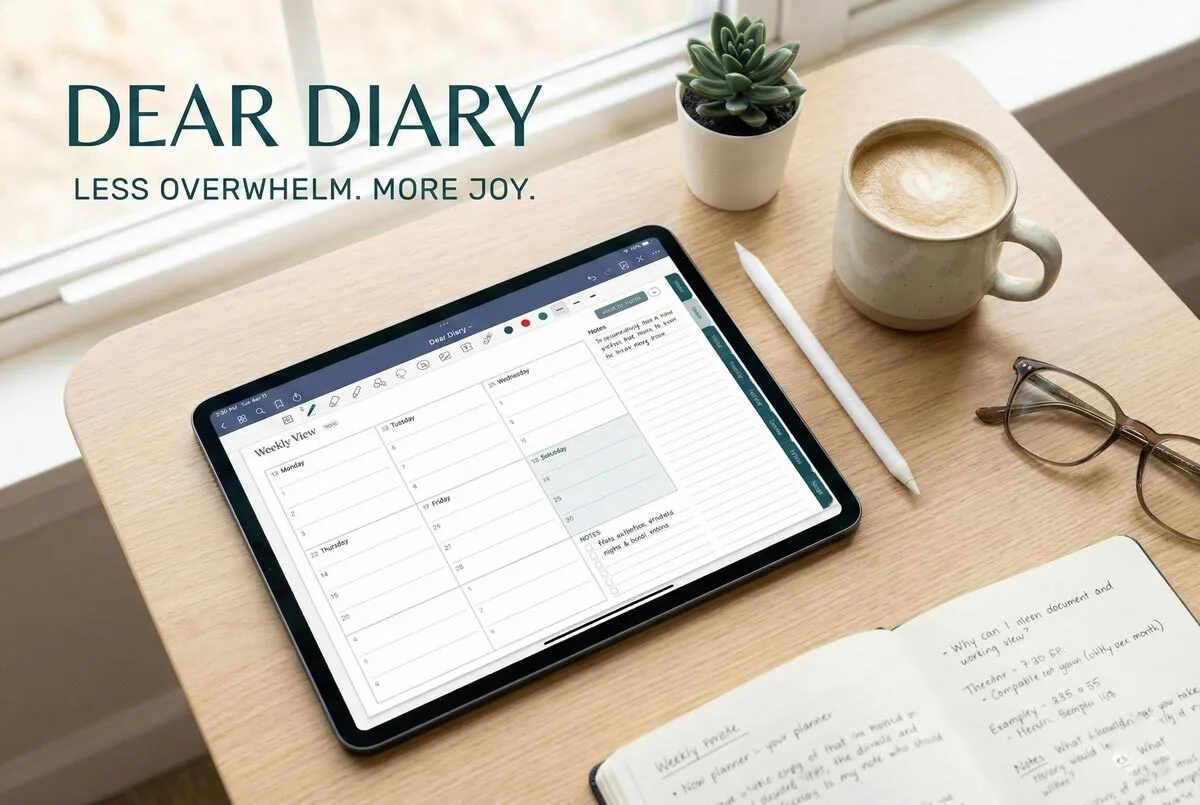
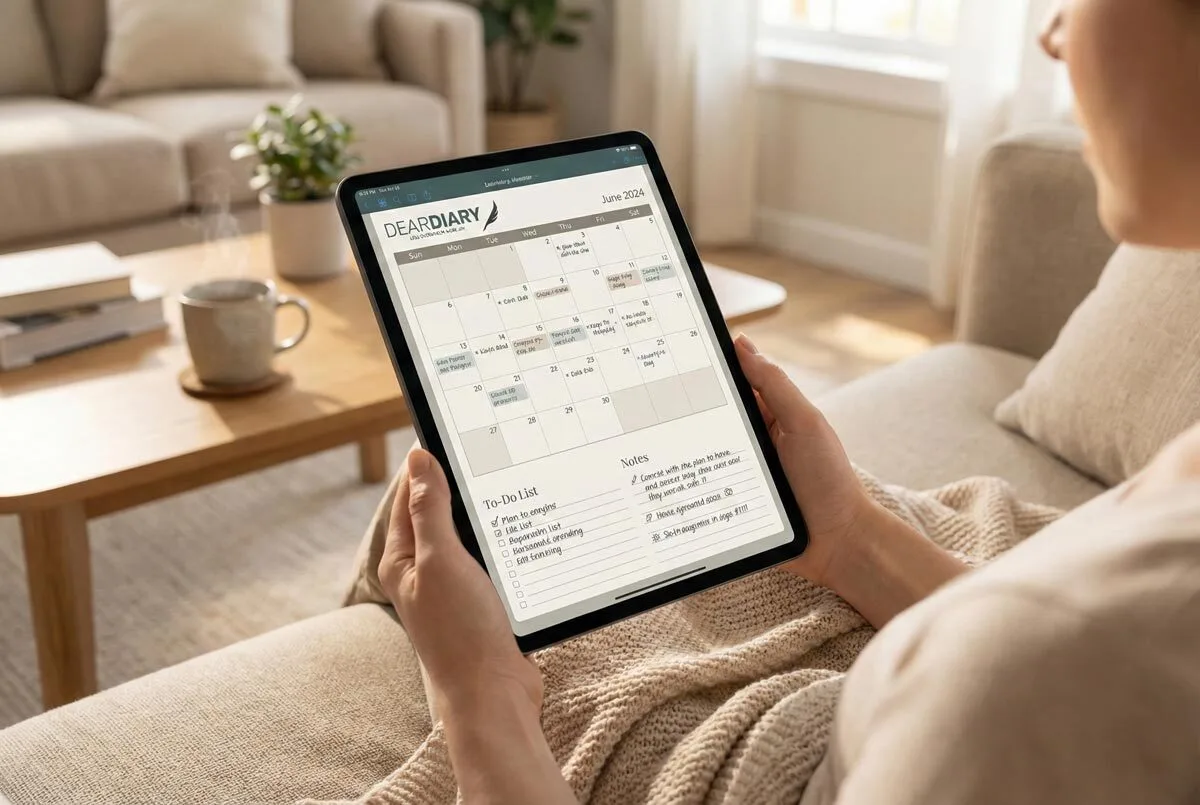
The undated format allows you to restart your planning journey at any point throughout the year without the pressure of catching up to preset dates.
Effective planners incorporate goal-tracking features that maintain momentum and provide clear visual progress indicators throughout your productivity journey.
Your brain craves this structure—give it what it needs.
Setting Weekly and Monthly Goals That Actually Stick
You’ve conquered daily planning, but weekly and monthly goals require a different approach—one that actually works with your packed schedule rather than against it.
The SMART goal structure changes vague intentions like “get healthier” into specific, measurable targets that you can track consistently. Regular reflection on your progress ensures you learn from both successes and challenges whilst maintaining alignment with values that make your goals truly meaningful.
Without proper progress tracking systems, even well-intentioned goals fade into forgotten New Year’s resolutions by February. A structured planner with half-hour schedule blocks allows you to dedicate specific time slots to your most important goals throughout each week. Research shows that community support can increase your goal achievement success rate significantly, making accountability partnerships a powerful addition to your planning strategy.
Smart Goal Framework
Unless you’re setting goals that actually move the needle, you’re basically just making fancy to-do lists that’ll collect digital dust by Thursday.
The SMART structure converts vague intentions into actionable targets.
Here’s your implementation roadmap:
- Make it Specific and Measurable: Replace “exercise more” with “walk 30 minutes daily, tracking steps with your phone app”
- Ensure it’s Achievable and Relevant: Align goals with your current resources and long-term vision
- Set Time-Bound Deadlines: Break monthly objectives into weekly milestones with clear start and end dates
Link weekly actions directly to monthly targets—daily client calls lead to monthly quotas.
The framework enhances communication and alignment within your organisation by creating shared understanding of what success looks like.
Strategic planning using proven methods can help you navigate everyday challenges whilst maximising your three-year overview perspective.
Your planner should accommodate your real, sometimes messy life by balancing space for meaningful goals alongside daily tasks.
Review progress weekly. Adjust when life inevitably throws curveballs your way.
Progress Tracking Systems
Why do most tracking systems fail spectacularly by week three, leaving behind abandoned spreadsheets and forgotten apps? Because they’re often overly ambitious and lack realistic milestones.
Your first week’s behaviour predicts long-term success with 79% accuracy, so start small. Track micro-progress daily or weekly—this builds accountability without cognitive overload.
Frequent logging shows commitment, but overdoing it backfires. Focus on incremental targets rather than dramatic goals. Early progress strongly predicts eventual achievement, even if completion takes months.
Choose systems that integrate multiple data points: stress levels, work flexibility, and personal motivations. When tracking work-related goals, consider that domestic responsibilities often contribute to increased stress and may require factoring into your planning timeline.
The most effective planners combine habit tracking with goal visibility, allowing you to see patterns and progress at both weekly and monthly intervals. Digital solutions offer convenience, but many women find that physical notebooks and planners provide better retention and reduce screen fatigue during planning sessions.
Mastering the Art of To-Do List Prioritisation
You’ve perfected goal-setting, but now comes the real challenge—converting those goals into actionable daily priorities that actually move the needle.
The secret isn’t about cramming more tasks into your day; it’s about strategically organising them using proven structures like the urgent versus important matrix, then protecting your high-priority work through time-blocking and energy-based sequencing. Start by breaking down larger objectives into smaller, achievable tasks that feel manageable rather than overwhelming.
These three techniques will change your overwhelming to-do list into a focussed action plan that works with your natural rhythms instead of against them. Consider incorporating half-hour scheduling blocks to maximise your productivity and create realistic expectations for what you can accomplish each day. Remember that planning success emphasises progress over perfection, allowing you to maintain momentum even when your daily execution isn’t flawless.
Urgent Vs Important Matrix
How often have you stared at your endless to-do list, feeling overwhelmed by everything that seems both urgent AND important?
The Eisenhower Matrix cuts through this chaos by separating tasks into four clear quadrants based on urgency and importance. This proven framework helps British professionals and entrepreneurs regain control of their demanding schedules.
Here’s how to categorise your tasks effectively:
- Urgent & Important – Handle crises and deadlines immediately. These are your fire-fighting moments that demand instant attention.
- Important but Not Urgent – Schedule strategic work like skill development and business planning. This quadrant is where real growth happens for your career or business.
- Urgent but Unimportant – Delegate interruptions and busywork to team members or assistants.
- Neither Urgent nor Important – Eliminate time-wasters like excessive social media browsing or unnecessary meetings. These activities drain your productivity without adding value.
You’ll escape the urgency trap that keeps you reactive instead of proactive, finally focussing on what truly moves your goals forward. This structured approach helps prevent overwhelm by giving you clear guidelines for every task that crosses your desk.
British business leaders who master this matrix report significantly improved work-life balance and strategic thinking.
Start categorising your tasks today and watch your effectiveness soar.
Time-Blocking Priority Tasks
Time-Blocking Priority Tasks
Understanding which tasks deserve your attention is only half the battle – now you need to actually make time for them in your packed schedule. Time-blocking transforms your calendar into a strategic weapon against chaos.
| Time Block | Task Type | Energy Level |
|---|---|---|
| 9-11 AM | Deep work projects | High focus |
| 1-2 PM | Email batching | Medium energy |
| 3-4 PM | Admin tasks | Lower concentration |
Schedule your must-do tasks during peak energy hours, typically 9-11 AM. This is when your mind is sharpest and distractions are minimal.
Batch similar activities together – handle all emails at once rather than checking constantly throughout the day. This approach reduces mental switching costs and maintains your momentum. Research shows that context-switching between tasks significantly reduces efficiency and can derail your focus throughout the day.
Reserve 15% of your workday for unexpected interruptions because life happens. South African professionals know that load shedding, traffic delays, or urgent client calls can derail even the best-planned schedule. Building in buffer time keeps you adaptable without losing productivity.
Energy-Based Task Sequencing
Energy-Based Task Sequencing
While most South Africans approach their to-do lists like a grocery list – tackling items in random order based on what catches their attention first – successful productivity requires matching your tasks to your body’s natural energy rhythms.
Track your alertness patterns for one week. Note when you feel sharpest versus sluggish during your working day. Maintain flexibility to adjust your task alignment based on daily energy fluctuations that may occur due to sleep quality, stress levels, or unexpected events.
Then categorise your tasks by energy demand:
- High-energy periods: Creative problem-solving, strategic planning, complex analysis
- Moderate-energy windows: Administrative work, routine meetings, process documentation
- Low-energy times: Email responses, data entry, workspace organisation
Schedule accordingly to align with your natural rhythms. You’ll accomplish more meaningful work without constantly fighting fatigue.
This approach maximises your productivity during peak performance windows.
Overcoming Procrastination With Proven Planning Techniques
Since South Africans procrastinate an average of 1.5 hours daily compared to the global average of 2.5 hours, you’re already ahead of the game—but that doesn’t mean there isn’t room for improvement.
The key lies in closing your intention-action gap through strategic planning.
Progressive deadlines work wonders for tackling large projects. Break them into smaller milestones with individual due dates. This mimics the deadline pressure that often motivates procrastinators without the last-minute stress.
Time-block your most challenging tasks when your energy peaks. You’ll work more efficiently and reduce the likelihood of putting things off. Consider that social media leads to procrastination for 74% of people, so removing these digital distractions during focused work sessions becomes crucial.
Remember that 88% of workers procrastinate at least one hour daily, significantly impacting workplace productivity.
Implementing these proven planning techniques can help you reclaim lost time and boost your effectiveness.
Creating Effective Reflection and Review Practices
You’ve perfected the art of planning, but without regular reflection and review, you’re fundamentally driving blindfolded through your productivity path.
The most successful women don’t just set goals—they create systematic checkpoints that transform their scattered efforts into measurable progress through weekly assessments, monthly realignments, and quarterly performance tracking. Research shows that reflective writing promotes skills development and professional growth by triggering deeper analysis of your experiences and decisions.
These three review cycles work together like a GPS system, constantly recalibrating your route and ensuring you’re not just busy, but actually moving towards your most important destinations.
Weekly Progress Assessment Methods
How often do you reach Friday afternoon only to wonder where the week actually went? Without structured assessment methods, productive weeks slip away unrecognised whilst challenging ones leave you questioning everything.
Effective weekly progress evaluation requires three essential components:
- Reflect on accomplishments by identifying patterns and gaps in your progress throughout the week.
- Assess task alignment with broader goals, removing low-impact activities that drain your energy. Focus on what truly moves you forward.
- Set actionable objectives by establishing 3-5 weekly targets tied to measurable outcomes for the upcoming week.
This systematic approach transforms scattered efforts into intentional progress. You’ll maintain momentum and actually remember what you accomplished come Friday. Weekly reviews allow for course correction before productivity spirals out of control.
Your weekly reviews become the foundation for sustained growth.
Monthly Goal Realignment Strategies
While weekly reviews keep you on track, monthly realignment separates women who achieve their biggest goals from those who stay perpetually busy without meaningful progress.
Monthly reassessment requires brutal honesty about what’s actually working. Evaluate your progress against current priorities, then adjust resource allocation accordingly.
That overseas holiday fund might need redirecting towards property deposit savings—and that’s perfectly fine.
Write your refreshed goals visibly; this simple act increases success rates by 42%. Create vision boards or digital displays that reinforce your focus areas. Monthly goal setting offers twelve opportunities annually to realign your direction and reassess your priorities.
Perform “failure audits” to comprehend why certain goals stalled, then design micro-commitments for the next cycle.
Monthly pivots aren’t setbacks—they’re strategic course corrections that keep you moving towards what truly matters.
Quarterly Performance Tracking Systems
The gap between monthly check-ins and yearly planning creates a dangerous blind spot where ambitious women lose momentum on their biggest life goals.
Quarterly performance tracking bridges this divide, providing 90% higher engagement and 2.1x better fairness perception than annual reviews alone.
Your quarterly system needs three essential components:
- Real-time goal recalibration – Adjust priorities before they become irrelevant roadblocks. This flexibility proves crucial in South Africa’s rapidly evolving business landscape.
- 360-degree feedback integration – Capture viewpoints from peers, mentors, and yourself for complete visibility. Ubuntu principles of collective insight strengthen individual growth.
- Well-being metrics tracking – Monitor work-life balance and burnout risks that derail long-term success. South African professionals face unique stressors including load shedding and economic uncertainty that require dedicated attention.
This structured approach transforms scattered monthly efforts into sustained momentum. When expectations remain unclear, nearly half of employees struggle to understand their workplace priorities, making clear expectations the foundation of any effective tracking system.
Regular quarterly reviews help navigate both personal ambitions and external challenges effectively.
Building Sustainable Habit Tracking Systems
Building Sustainable Habit Tracking Systems
Because most habit tracking systems fail within the first few months, you need a fundamentally different approach that prioritises sustainability over perfection.
Start with manageable 5-minute habits and use wearable devices like Fitbit for streamlined tracking. Tech-enhanced systems show 31.9-month average usage, proving their effectiveness.
| Strategy | Implementation |
|---|---|
| Morning Cues | Set consistent time-based triggers |
| Recovery Plans | Prepare lapse management strategies |
| Value Alignment | Track health, productivity, sustainability metrics |
| Environmental Setup | Modify surroundings for effortless compliance |
Focus on incremental progress rather than perfect streaks. Your habit tracker should accommodate life changes through flexible goal adjustments. During setbacks, maintain positive self-talk and remember that consistency matters more than perfection.
These systems work particularly well in South Africa’s diverse lifestyle patterns, from urban professionals in Cape Town and Johannesburg to those managing load shedding schedules. Women show greater interest in tracking sustainability-related habits alongside traditional productivity metrics. Adapt your tracking to local rhythms and seasonal changes.
Balancing Work, Home, and Self-Care Through Strategic Planning
You’re juggling competing demands from work deadlines, household responsibilities, and your own well-being—and something’s got to give before you burn out completely.
Strategic planning isn’t just about colour-coding your diary; it’s about creating systems that protect your energy whilst meeting your most important obligations.
Let’s tackle flexible scheduling that actually works, childcare coordination that reduces daily chaos, and mental health practices you’ll actually stick to when life gets overwhelming.
Flexible Scheduling Solutions
Flexible Scheduling Solutions
Most South African women juggle competing demands that pull them in different directions throughout the day, making traditional 9-to-5 schedules feel like straitjackets rather than structures.
You need solutions that actually work with your reality, not against it.
Research shows flexible arrangements deliver real benefits. Women with remote options report 39% anxiety rates versus 44% without.
Here’s how to create your own scheduling solutions:
- Negotiate hour adjustments – 52% of women can already change start/end times. This flexibility allows you to accommodate school runs, medical appointments, and family responsibilities.
- Request remote work days – reduces commute stress and enables better self-care routines. Working from home eliminates the challenges of South African traffic and public transport delays.
- Align work hours with personal needs – maximise your natural energy patterns for peak productivity.
Whether you’re an early bird or night owl, matching your schedule to your rhythm improves both work quality and personal wellbeing.
This approach helps you maintain better work-life integration in the South African context.
Childcare Strategy Planning
When childcare responsibilities collide with career ambitions and personal well-being, South African women find themselves navigating an impossible equation where something always has to give.
Strategic childcare planning transforms this chaos into manageable systems. Start by mapping your actual needs: hours required, backup options, and realistic planning considerations.
Research shows that women with structured childcare access maintain 40% higher workforce participation rates.
Consider these solutions:
- Employer partnerships – Negotiate flexible arrangements or on-site facilities. Many companies are increasingly open to supporting working mothers through various programmes.
- Community networks – Share responsibilities with trusted families. This creates support systems that benefit multiple households whilst building stronger neighbourhood connections.
- Hybrid models – Combine formal daycare with family support. This approach provides flexibility whilst ensuring reliable coverage throughout the week.
The goal isn’t perfection—it’s creating reliable structures that protect your career continuity and sanity.
Focus on building systems that can adapt to your changing needs over time.
Mental Health Priorities
Having reliable childcare creates the foundation for addressing something equally important but often pushed aside: your mental health.
You’re twice as likely as men to experience depression, and juggling work plus family responsibilities isn’t helping.
Strategic planning becomes essential when 25% of women face mental health challenges annually. This reality makes prioritising your wellbeing non-negotiable.
Three essential mental health priorities:
- Schedule therapy appointments like important meetings—because they are. Many South African medical aids offer mental health benefits that you should utilise fully.
- Block time for self-care daily, even if it’s just fifteen minutes. Whether it’s a walk in your neighbourhood or reading quietly with rooibos tea, consistency matters more than duration.
- Build your support network to share emotional and practical burdens. Connect with other mothers through community centres, religious organisations, or local parenting groups.
Your mental health deserves the same systematic approach you’d give any critical project.
Treat it as the foundation that supports everything else in your life.
Maximising Digital Planner Features for Busy Schedules
Since busy schedules demand tools that work as hard as you do, mastering your digital planner‘s advanced features converts chaotic days into manageable workflows.
Priority filters with colour-coded markers instantly separate urgent from important tasks. Automated notifications prevent double-booking disasters that can derail your entire day.
Cross-device synchronisation means your schedule follows you everywhere—smartphone on-the-go, tablet for detailed planning, computer for deep work sessions. Whether you’re commuting through Johannesburg traffic or planning from your Cape Town office, your data stays current.
Habit trackers with progress bars keep daily routines consistent, helping you maintain productivity during load-shedding or unexpected schedule changes.
Stress-indexing tools highlight overbooked days before burnout hits, particularly valuable in South Africa’s demanding work environment.
Real-time updating lets you modify plans without interfering with everything else. These features aren’t optional extras—they’re survival tools for managing demanding South African business schedules.
Optimising Paper Planner Layouts for Personal Success
Your paper planner’s layout determines whether you’ll conquer your day or spend precious minutes hunting through scattered notes and cramped margins. Strategic design choices convert chaos into clarity.
Essential Layout Elements for Success:
- Vertical three-section division – Partition each day into personal, business, and task management zones for instant visual organisation. This approach works particularly well for South African professionals juggling diverse commitments.
- Colour-coded priority systems – Use highlighting to distinguish “A” level tasks whilst maintaining separate work and personal categories. Red for urgent deadlines, blue for routine tasks, and green for personal goals creates an intuitive system.
- Buffer spaces integration – Include dedicated areas for unplanned tasks, preventing overcrowded layouts when life inevitably throws curveballs. These spaces prove invaluable during load shedding or unexpected school closures.
Weekly spreads provide your foundation. Monthly overviews maintain perspective whilst accommodating South Africa’s unique public holiday patterns.
Add checkbox systems for satisfaction-inducing completion tracking that motivates continued progress.
Consider adding weather tracking sections for seasonal planning. Include space for load shedding schedules to maintain productivity during power interruptions.
Must-Have Planner Sections Every Organised Woman Needs
Centralised command centres convert scattered sticky notes and mental juggling acts into enhanced productivity systems. Your planner needs five essential sections to function effectively.
First, create a work-life integration area using colour-coding to distinguish professional tasks from family responsibilities. This visual system helps South African working mothers seamlessly navigate between career demands and household duties.
Colour-coded work-life integration eliminates the mental juggling act between professional deadlines and family commitments for busy mothers.
Second, dedicate space for family management—tracking school schedules, health records, and activities. Include term dates that align with the South African school calendar and space for extramural commitments.
Third, establish a financial section documenting bill dates and budget goals. Track municipal accounts, insurance renewals, and savings objectives. This section helps manage household finances throughout the year.
Fourth, include health tracking for appointments and wellness routines. Schedule regular check-ups and monitor family health milestones.
Finally, add productivity pages with goal breakdowns and habit trackers. These sections eliminate mental overload whilst maintaining thorough life oversight.
Transform chaotic daily management into streamlined organisation that works for your lifestyle.
Time-Blocking Strategies for Maximum Efficiency
Time-blocking transforms your carefully organised planner sections into a powerhouse scheduling system that actually gets things done. Instead of endless to-do lists, you’re creating focused work sessions that enhance productivity by 40% through single-tasking.
Here’s how to implement time-blocking effectively:
- Block high-cognitive tasks first – Schedule your most demanding work (writing, research, strategy) during peak energy hours for maximum deep focus. This approach works particularly well in South Africa’s varied work environments, from bustling Johannesburg offices to remote Cape Town setups.
- Batch shallow work – Group emails, calls, and administrative tasks into 2-3 dedicated blocks daily to prevent constant interruptions. Consider load-shedding schedules when planning technology-dependent tasks.
- Add buffer periods – Include 15-minute breaks between blocks to accommodate unexpected tasks without derailing your entire schedule. These buffers become essential during South Africa’s unique workplace challenges like power outages or transport delays.
Developing Consistent Planning Rituals That Last
You’ve conquered time-blocking, but without consistent planning rituals, those perfectly scheduled blocks crumble faster than a biscuit in a toddler’s hands.
The secret isn’t just knowing what to plan—it’s building rock-solid systems around morning routines, weekly reviews, and habit tracking that actually stick when life gets messy.
Let’s build planning rituals that survive your busiest seasons and become as automatic as your morning coffee.
Morning Routine Foundation
Morning Routine Foundation
When most women wake up feeling scattered and reactive, they’re missing the foundation that changes chaotic mornings into productive powerhouses. Your morning routine isn’t just about ticking boxes—it’s about building momentum that carries through your entire day.
Research shows 75% of women report higher work satisfaction when they prep their mornings in advance.
Here’s your foundation:
- Hydrate immediately upon waking (42% of productive women prioritise this)
- Avoid your phone for the first hour to prevent 53% productivity drops. This simple change can transform your mental clarity.
- Stack positive habits like affirmations with exercise for compound benefits.
Consistency beats perfection every time. Start with just one habit and build from there. Your future self will thank you for the foundation you’re creating today.
Weekly Review Systems
Weekly Review Systems
While most productivity systems crumble after a few enthusiastic weeks, South African professionals who excel in weekly reviews create the backbone that keeps everything else running smoothly.
You’ll need three core elements: closing open loops, analysing progress, and prioritising next actions.
Start by processing your inbox completely—digital and physical. Review upcoming deadlines and pre-assign preparation time.
Trim stagnant projects ruthlessly. Track delegated tasks using @WaitingFor lists to stay on top of commitments from colleagues and suppliers.
Customise your approach by modifying Allen’s GTD structure to suit South African working patterns.
Integrate annual goals and adjust session length to 60-90 minutes. Use templates in task managers like Todoist to optimise routine components and maintain focus during load shedding or connectivity issues.
Habit Tracking Methods
Three months into January’s ambitious planning routine, most productivity systems lie abandoned in digital graveyards—but the difference between those who sustain life-changing habits and those who don’t isn’t willpower or motivation.
It’s tracking methods that match your actual lifestyle.
Start ridiculously small: Track one glass of morning rooibos tea, not eight daily glasses of water.
Choose your weapon wisely: Manual calendars with tick marks work better than apps for some people.
Many South Africans find that physical tracking methods suit our diverse daily routines better than digital alternatives.
Plan for failure: Identify your Sunday braai recovery patterns and create pre-emptive Monday morning solutions.
You’ll build sustainable systems through concentrating on quick recoveries rather than perfect streaks.
The goal is progress, not perfection.
Creative Planner Accessories and Customisation Ideas
Although planners serve as the foundation for organisation, the right accessories transform them from basic scheduling tools into customised productivity powerhouses that reflect your style and improve functionality.
Start with functional tracking tools like page markers and dangle paperclips with beads to mark budget pages or appointments.
Brass pen clips keep writing tools accessible whilst you’re on the move. Art supplies including Tombow markers enable beautiful hand-lettering and highlighting for enhanced visual appeal. Themed stickers help categorise events visually, making your schedule easier to navigate at a glance.
Organisational hardware plays a crucial role in customisation. Hole punches allow you to modify DIY inserts to fit your specific planner size, whilst custom dividers create clear sections for different areas of your life.
Don’t overlook decorative embellishments like patterned washi tape and beaded clips that add personality without sacrificing practicality.
These accessories are readily available at local stationery shops and craft stores throughout South Africa. Consider incorporating locally-inspired designs or colours that reflect the vibrant South African aesthetic.
Managing Family Schedules With Coordinated Planning Systems
When multiple family members juggle work commitments, school timetables, extracurricular activities, and social obligations, coordinating everyone’s diary becomes a logistical puzzle that can quickly overwhelm even the most organised households.
Managing multiple family schedules transforms into an overwhelming logistical nightmare without proper coordination systems in place.
You’ll need strategic coordination systems to prevent scheduling chaos:
- Establish a central command centre near high-traffic areas like kitchens, displaying shared diaries where everyone can view upcoming commitments at a glance. This works particularly well in South African homes where the kitchen often serves as the family gathering hub.
- Implement hybrid scheduling combining digital apps for real-time updates with paper backups for quick reference during load shedding or connectivity issues. Many South African families find this dual approach essential given our unique infrastructure challenges.
- Schedule weekly sync meetings to cross-check entries, discuss conflicts, and align transport logistics before problems arise. Consider planning around school terms and public holidays that differ from international schedules.
This prevents fragmentation and reduces last-minute scrambling. The system becomes particularly valuable during busy periods like the matric exam season or December holidays when family routines shift significantly.
Workplace Productivity Hacks Using Dear Diary Tools
Your diary isn’t just for recording weekend escapades or venting about difficult colleagues—it’s actually one of the most powerful productivity tools sitting unused on your desk. Convert it into your workplace command centre by tracking meeting patterns, focus blocks, and energy drains.
| Time Block | Primary Activity | Productivity Rating |
|---|---|---|
| 9:00-10:30 | Deep work tasks | High |
| 10:30-12:00 | Meetings/calls | Medium |
| 1:00-2:30 | Email processing | Low |
| 2:30-4:00 | Creative projects | High |
| 4:00-5:00 | Admin tasks | Medium |
Document when you’re most productive versus when meetings fragment your focus. You’ll quickly identify that significant productivity leak every South African professional experiences. This simple tracking method transforms your diary into a personal performance analytics tool.
Track your energy levels throughout the day, noting when load shedding affects your workflow or when traffic delays impact your morning momentum. Record which colleagues drain your energy and which collaborations spark creativity.
Use your diary to plan around Johannesburg’s notorious traffic patterns or Cape Town’s unpredictable weather. Schedule your most important tasks during your peak performance hours, which you’ll discover through consistent tracking.
Seasonal Planning Approaches for Year-Round Organisation
Whilst your diary reveals daily productivity patterns, expanding that same tracking mindset across entire seasons opens up a completely different level of organisational skill.
You’ll uncover natural cycles that affect everything from energy levels to resource allocation.
Successful seasonal planning requires three strategic shifts:
- Align major goals with quarterly seasons – launch new projects in spring’s energy surge, conserve during winter’s reflective period.
- Adjust time blocks for daylight changes – schedule demanding tasks during peak natural light hours. Make the most of South Africa’s abundant sunshine during winter months.
- Build seasonal buffers – stockpile resources during abundance periods, create reserves before holiday expenses hit. Plan around school holidays and festive season demands.
This approach transforms scattered monthly planning into cohesive year-round organisation.
Emergency Planning Strategies for Unexpected Life Changes
Unexpected life changes don’t send calendar invitations before they arrive – job loss, medical emergencies, relationship changes, or family crises can derail even the most organised planning system within hours.
You need emergency protocols that adapt quickly to new realities. Create financial contingency plans with dedicated emergency funds covering three months of essential expenses.
Develop flexible support networks through family, friends, and community connections who can assist during crises. Building relationships with neighbours, colleagues, and local community organisations creates multiple layers of support. These networks become invaluable when you need practical help or emotional guidance.
Build core capabilities like logistics management and communication strategies that work across different scenarios.
Most importantly, practise regular reassessment of your plans, adjusting them as your life circumstances change. What works during stable periods may need significant modifications during economic uncertainty or personal upheaval.
Keep your emergency strategies flexible and review them quarterly to ensure they remain relevant and actionable.
Wellness Integration Through Mindful Planning Practices
When chaos becomes your daily companion, traditional wellness advice about “finding balance” feels laughably out of touch with reality. Instead of adding another demanding wellness routine, integrate mindful practices directly into your existing planning system.
Research shows mindfulness participants experience 32% greater job satisfaction and 38% reduced stress levels. These benefits translate directly to improved productivity in South Africa’s demanding work environment.
Here’s how to weave wellness into planning without creating more pressure:
Practise mindful task prioritisation**** – pause three seconds before choosing your next action. This simple technique helps you respond rather than react to daily pressures.
Build stress-reappraisal breaks**** into scheduled blocks. Even five-minute intervals can reset your mental state during hectic days.
Align weekly goals with personal values**** rather than external demands. This approach ensures your efforts contribute to long-term satisfaction, not just immediate obligations.
You’ll develop resilience whilst actually accomplishing what matters. This integration transforms planning from a source of pressure into a pathway for sustainable wellness.
Financial Planning and Budget Tracking in Your Planner
Unless you’re tracking where your money goes, you’re fundamentally driving blindfolded through your financial life.
Your planner becomes your financial command centre when you map bill due dates alongside income arrival.
Start with the 50/30/20 rule: allocate half your income for needs, 30% for wants, and 20% for savings.
This framework works brilliantly for South African households managing everything from municipal bills to school fees.
Document every transaction, even that morning coffee from your local café.
Create sinking funds for intermittent expenses like car services and DSTV renewals.
This approach helps you prepare for expenses that catch many South Africans off guard.
Set SMART financial targets that reflect your rand-based reality.
Specific savings goals within defined timeframes beat vague intentions to “save more money.”
Schedule weekly budget check-ins to catch overspending early.
Real progress happens when daily spending aligns with long-term goals like emergency funds or that dream holiday to the Drakensberg.
Building Accountability Systems for Long-Term Planning Success
Building Accountability Systems for Long-Term Planning Success****
Your financial planning efforts will crumble without the right accountability systems backing them up. Without proper tracking and oversight, many South African women doubt their employers would accommodate flexible arrangements that support long-term financial goals.
Here’s how to build accountability that actually works:
- Set clear performance metrics – Track specific numbers like savings rates and debt reduction percentages monthly. Regular monitoring helps you stay on course with your financial objectives.
- Create board-level oversight – Assign a trusted friend or adviser to review your progress quarterly.
- Implement target-driven planning – Companies with advancement targets close gaps faster. Your finances need the same structured approach to achieve meaningful results.
This systematic method ensures consistent progress towards your long-term goals. Accountability isn’t optional—it’s your financial foundation.