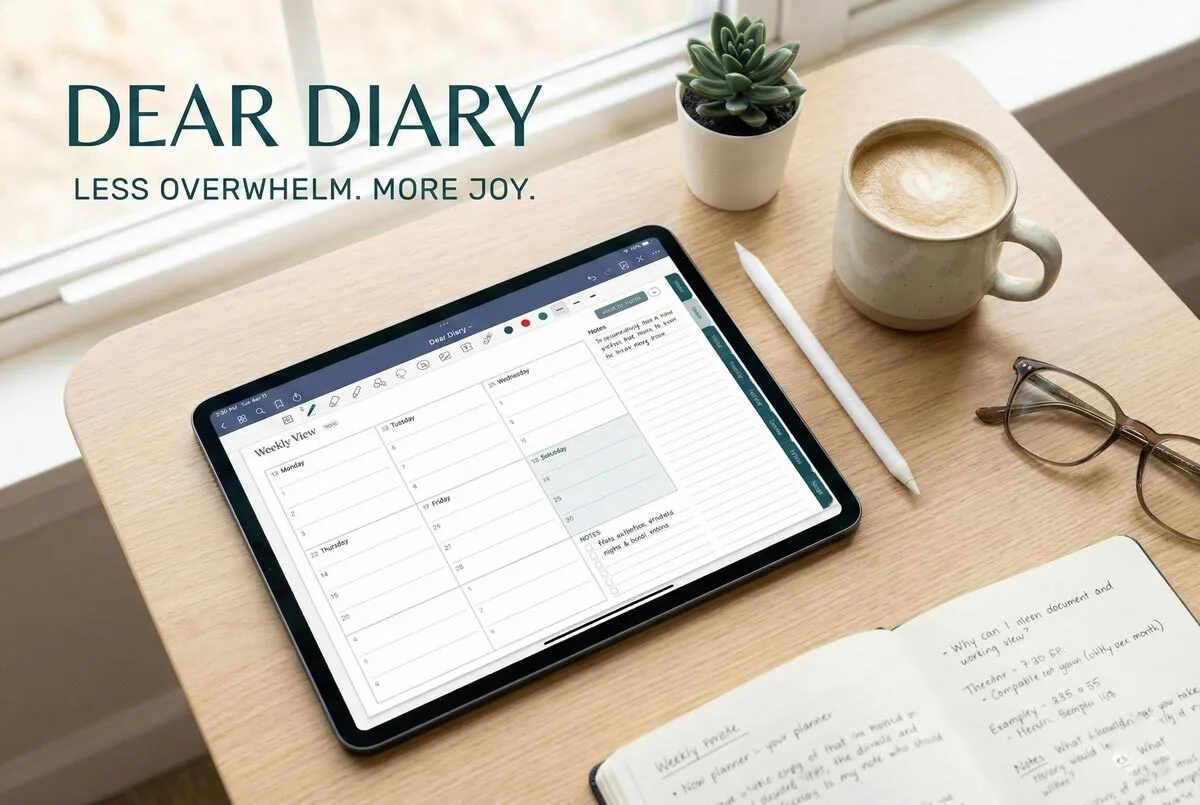
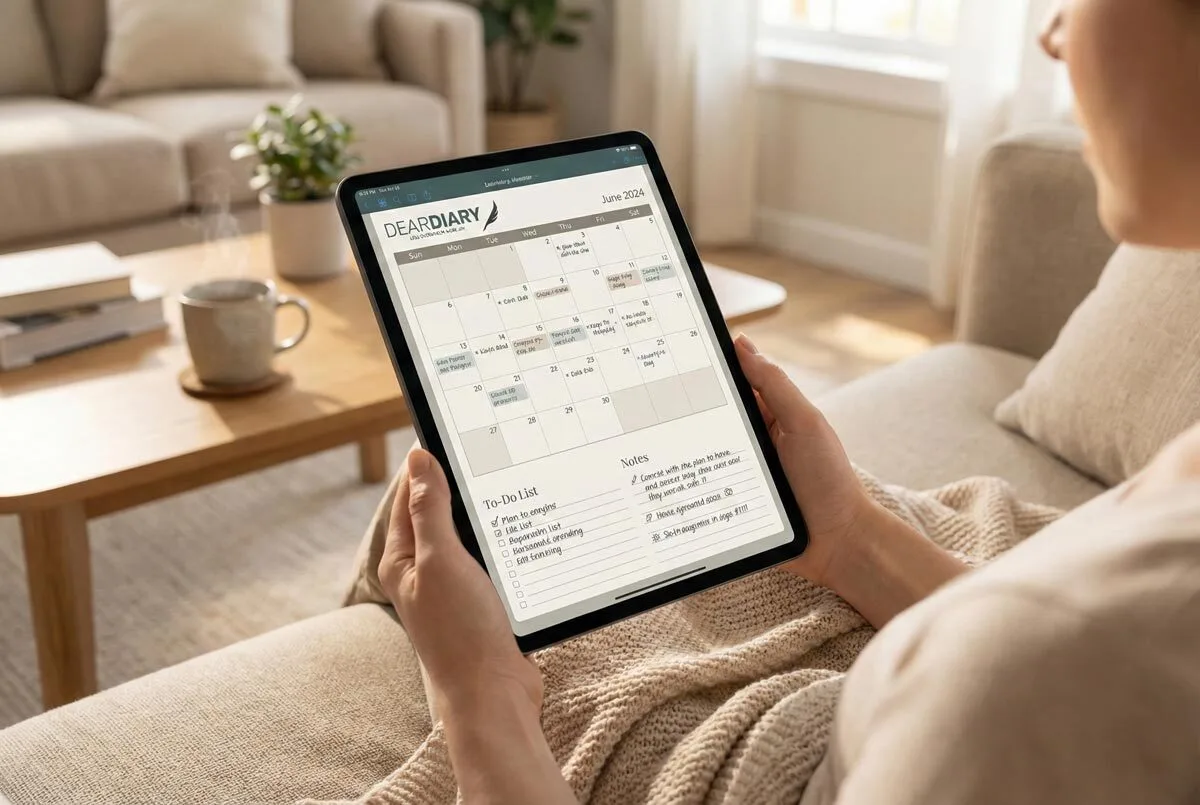
Planners function as your forward-looking command centre, featuring pre-printed templates with calendar grids and time blocks to organise future meetings, deadlines, and tasks. Journals serve as your backward-looking sanctuary with blank pages for processing past experiences, emotions, and personal reflections. Whilst planners excel at structured scheduling and breaking goals into actionable steps, journals offer creative freedom for individualised spreads and fluid time management. Continue examining to uncover which tool matches your organisational style.
While both planners and journals sit on your desk looking remarkably similar, they serve entirely different purposes in your daily life.
Think of planners as your forward-looking command centre, designed to organise what’s coming next. Journals, on the other hand, become your backward-looking sanctuary where you process what’s already happened.
Planners organise your future whilst journals process your past—two essential tools for different directions in time.
The fundamental difference lies in their core function and timing. Your planner focuses on future events—scheduling meetings, tracking deadlines, and organising tasks you need to complete. Your journal captures past experiences, documents personal reflections, and helps you process emotions or memories you’ve already lived through.
Structurally, these tools couldn’t be more different.
Planners typically arrive with pre-printed templates featuring daily, weekly, or monthly spreads. You’ll find calendar grids, time blocks, and to-do list sections already mapped out for you.
Journals offer blank or dotted pages that give you complete creative freedom. There’s no predetermined structure telling you how to use the space. A bullet journal utilises a specific method with any dotted notebook that allows for extensive customisation.
This structural difference affects how you’ll customise each one. With planners, you’re somewhat locked into existing layouts—sure, you can add stickers or colour-code entries, but you can’t completely redesign the format.
Journals let you create individualised spreads, incorporate artwork, or experiment with different tracking methods until you find what works.
Time management approaches vary greatly between the two. Planners excel at scheduling with calendar systems and hour-by-hour time blocking. They provide structured monthly and weekly overviews that keep you on track with upcoming commitments.
Journals handle time more fluidly, focusing on habit tracking and non-linear timelines that reflect on patterns over time.
Your use cases will determine which tool serves you better in different situations. When you need to track appointments, deadlines, and reminders, reach for your planner.
It breaks down long-term goals into actionable steps and monitors daily routines through checklists. When you want to record thoughts, feelings, or gratitudes, open your journal. Some people prefer undated planners that offer flexibility in starting at any time throughout the year.
It helps you reflect on progress, investigate motivations behind habits, and process emotional experiences. Today’s paperless alternatives can provide the same functionality as traditional paper planners whilst offering additional digital benefits. Journals often function as a personal confidant, maintaining the privacy needed for genuine self-expression and introspection.
The flexibility factor often becomes the deciding point.
Journals accommodate incomplete or irregular entries without making you feel guilty about unused pages. You can skip days, change formats, or completely redesign your approach mid-year.
Planners, with their dated pages and structured layouts, can leave you staring at blank spaces that represent missed opportunities. The A5 Everything Planner 2026 offers extensive holistic wellbeing features including habit trackers and menstrual cycle tracking for comprehensive life management. For optimal writing experience, choose products with uncoated paper to prevent smudging and ensure your pen glides smoothly across the page. Many educators benefit from specialised planners that include class lists for tracking student information and attendance.
Many South Africans find success using both tools simultaneously—letting their planner handle the logistics of daily life whilst their journal processes the emotional experience. Professional educators particularly benefit from planners that include lesson planner sections alongside personal scheduling pages to manage their complex teaching responsibilities. The most comprehensive planners combine elements of both tools, offering menstrual cycle tracker features alongside traditional scheduling pages to address multiple aspects of life management.
You don’t have to choose just one. Your planner keeps you organised and productive, whilst your journal encourages self-awareness and personal growth.
Frequently Asked Questions
Can You Use a Planner and Journal Together Effectively?
You can effectively combine planners and journals by using planners for scheduling tasks and deadlines whilst journals capture reflections, goals, and personal growth, creating an all-encompassing system for productivity and mindfulness.
Which Is Better for Improving Productivity and Time Management?
You’ll find planners more effective for structured time management and reducing stress through organised layouts, whilst journals elevate productivity through improved memory retention and creative task tracking that increases personal accountability.
How Much Should I Expect to Spend on a Quality Planner or Journal?
You’ll spend £8-£20 for mass-market options, £25-£40 for mid-range quality like Leuchtturm, or £40-£80 for premium brands. Hardcover costs £4-£12 more than softcover versions.
Are Digital Planners and Journals as Effective as Physical Paper Versions?
Paper planners typically outperform digital versions for plan completion and memory retention. However, digital tools offer superior accessibility and customisation. You’ll likely achieve better results combining both formats strategically.
How Do I Choose Between Different Planner and Journal Formats Available?
Consider your lifestyle first. If you’re highly structured, choose dated planners with time blocks. For flexibility, pick undated bullet journals. Test paper quality with your preferred pens, and select bound formats for durability.