You’ll refine the juggling act by using the Eisenhower Matrix to categorise tasks by urgency and importance, then time-blocking your schedule to create clear boundaries between work and home responsibilities. Involve your family in age-appropriate chores and redistribute household duties through honest conversations about workload sharing. Schedule non-negotiable self-care micro-sessions and carry out fortnightly planner audits to eliminate what’s not working. There’s much more to simplify your system effectively.
Juggling motherhood with work, personal goals, and the endless stream of daily responsibilities can feel like performing a circus act without a safety net. You don’t need superhuman powers to navigate this balancing act—just the right planner strategies and a willingness to prioritise what truly matters.
Start with the Eisenhower Matrix to categorise your tasks into urgent versus important quadrants. This simple structure prevents you from spending precious time on activities that feel busy but don’t move the needle forward. Focus on tasks that align with your long-term goals whilst ruthlessly eliminating time drains like excessive social media scrolling or unproductive meetings that could’ve been emails.
Stop confusing busy work with progress—ruthlessly eliminate tasks that drain time without advancing your meaningful goals.
Batching similar tasks changes chaos into efficiency. Schedule all your doctor’s appointments on the same day, tackle meal prep in one focussed session, or handle all your phone calls during a designated hour.
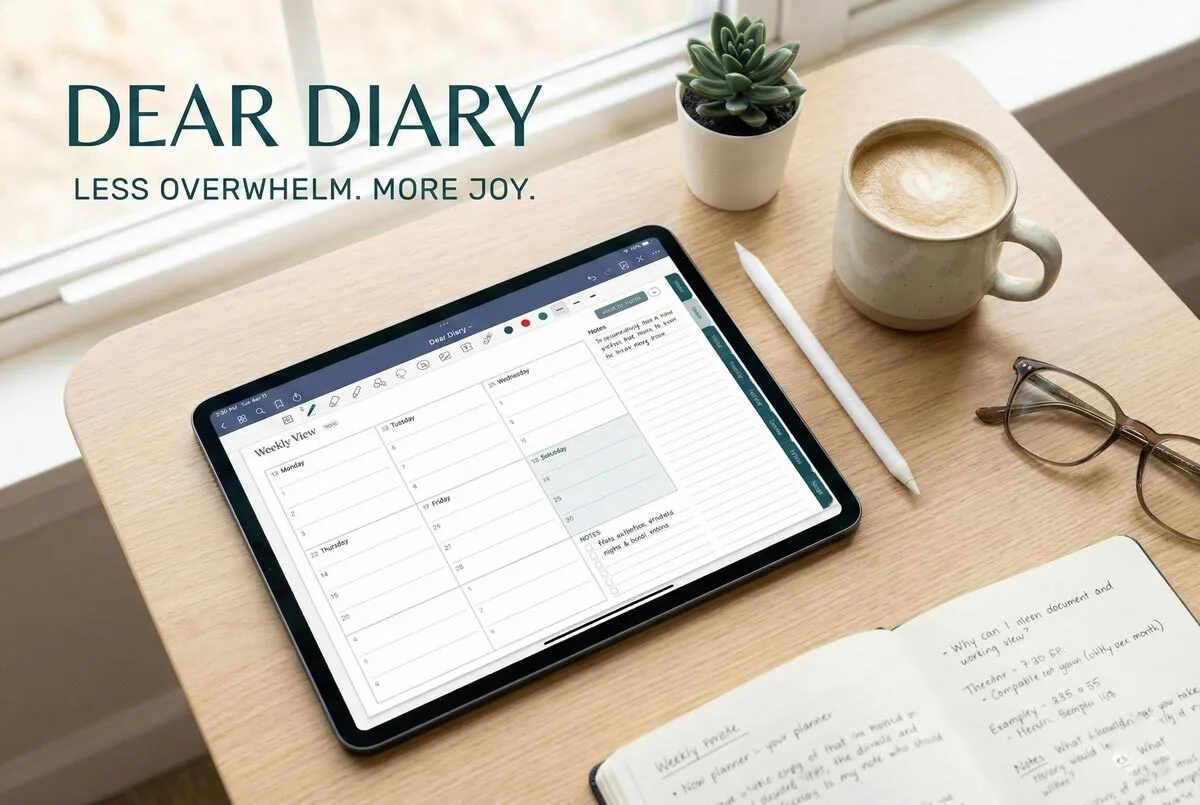
Time-blocking becomes your secret weapon for maintaining boundaries between different life roles. Divide your days into specific hourly blocks, designating “work-only” zones where you resist the urge to multitask. Try the 90-minute focussed work method during your peak energy hours, then schedule intentional transitions between work mode and mum mode. Consider incorporating daily gratitude prompts into your planning routine to help maintain a positive mindset during challenging transitions. A comprehensive planner with half-hour scheduling allows you to map out these time blocks precisely and maintain realistic expectations for your day.
Don’t shoulder everything alone when strategic delegation can lighten your load. Women handle significantly more household duties than their partners, so start conversations about redistributing responsibilities. Consider involving your children with age-appropriate chores and create shared family calendars so everyone stays coordinated and accountable. Sharing task responsibilities with family members promotes balance and helps everyone contribute meaningfully to household operations.
Self-care isn’t selfish—it’s strategic maintenance. Since many South African mothers report getting fewer than six hours of sleep nightly, prioritising rest becomes non-negotiable. Schedule micro-self-care sessions like 15-minute coffee breaks or quick walks around the block. Professional mental health support should be considered when stress levels become unmanageable and impact daily functioning. Use dedicated pages for end-of-month reflection to track your progress and celebrate small wins that accumulate into meaningful personal growth.
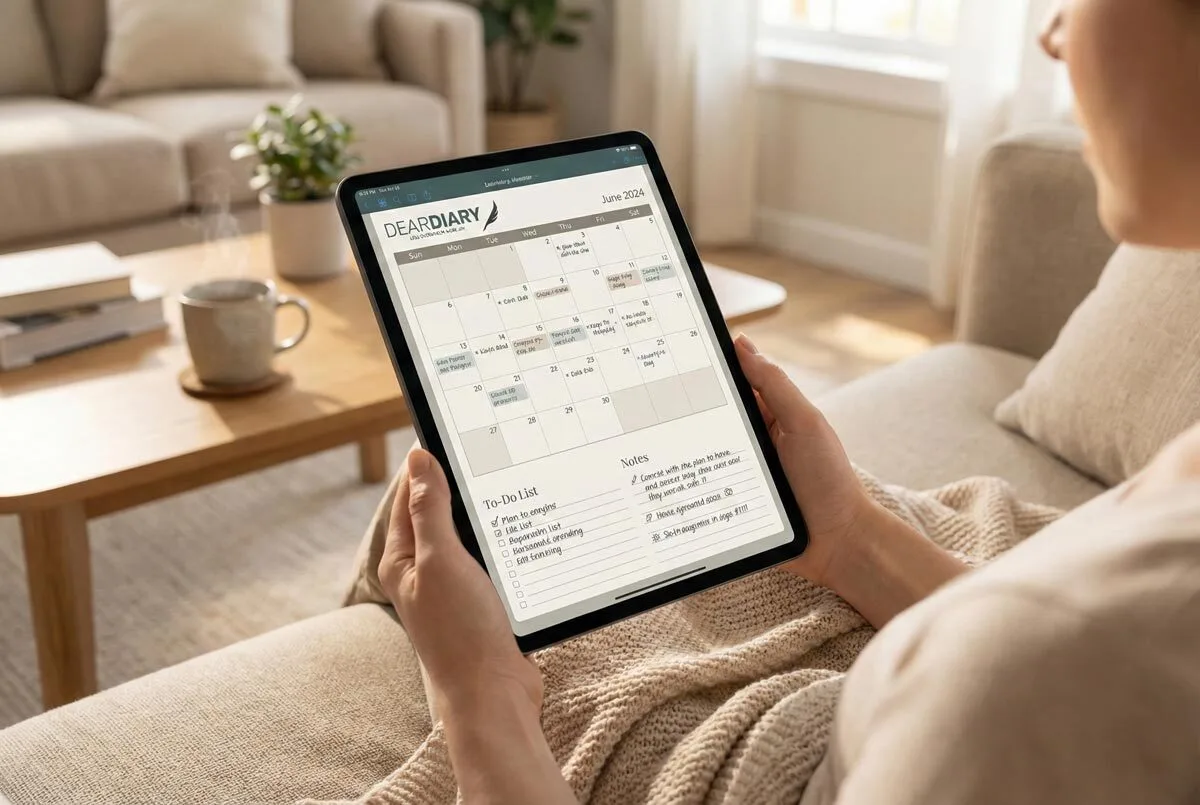
Choose planner tools that match your organisational style rather than fighting against your natural preferences. Digital planners offer flexibility and cross-platform syncing, whilst physical planners provide tactile satisfaction and fewer distractions. Consider planners that offer stickers, bookmarks, and pockets for storing loose papers to create functional accessories that enhance your organisational system. Look for planners with minimalist design that maintain a professional appearance suitable for meetings and work environments. Additionally, look for planners with lay-flat binding to ensure easy writing and viewing without constantly fighting to keep pages open.
Regular reviews keep your system functioning smoothly. Organise fortnightly planner audits to eliminate outdated entries and improve your approach based on what’s actually working. When you hit recurring time conflicts, shift your plans and rotate responsibilities to distribute the workload more evenly. A digital planner provides unlimited duplication of planning pages, allowing you to customise templates for different aspects of your busy life without starting from scratch each time.
Frequently Asked Questions
How Do I Involve My Partner in Planning Without Causing Conflict?
Schedule weekly planning sessions when you’re both relaxed. Start with logistics before emotions, use “we” language instead of “you” statements, and practise active listening. Create shared calendars and agree on a no-blame policy.
What Should I Do When My Planner System Isn’t Working Anymore?
Start with root cause analysis using “why” questions to identify fundamental issues. Then simplify by consolidating multiple planners, adopting minimalist layouts, and customising systems to match your current needs and routines.
How Can I Maintain My Planning Routine During School Holidays?
You’ll need to adjust your planning routine by creating flexible daily blocks, scheduling activities around children’s energy patterns, and building buffer time for unexpected interruptions that naturally occur during school holidays.
Should I Use Digital or Paper Planners as a Busy Mum?
You’ll benefit from digital planners if you’re tech-savvy and need family syncing across devices. Choose paper planners if you prefer offline reliability, want reduced screen time, and enjoy tactile writing for better focus.
How Do I Plan When My Children’s Schedules Constantly Change?
Create colour-coded family calendars with buffer zones between activities. Use flexible time blocks instead of rigid schedules, develop “Plan B” kits for sudden changes, and maintain non-negotiable anchor times for stability.