Set SMART personal development goals that align with your core values, then break them into weekly micro-goals—like writing 250 words daily instead of “finish a book this year.” Track progress using journals, apps, or spreadsheets with fortnightly reviews to identify what’s working. Create an “obstacle map” for potential challenges and establish accountability check-ins with friends or mentors. This systematic approach prevents the self-sabotage that derails most people’s ambitions within three months, and there’s much more to master.
Ninety per cent of people abandon their personal development goals within three months—not because they lack motivation, but because they never learnt how to set them properly in the first place.
You need to start with SMART goals that actually mean something. Instead of saying “I want to be healthier,” write “I’ll exercise 30 minutes daily, five days per week.” See the difference?
One’s wishful thinking, the other’s actionable. Make your goals specific enough that a stranger could measure your progress.
Here’s where most people mess up: they set goals that sound impressive but don’t align with their core values. Before writing a single objective, identify what truly matters to you—family time, Ubuntu principles, personal growth, whatever. Your goals must support these non-negotiables, or you’ll sabotage yourself every time.
Breaking goals into bite-sized pieces prevents overwhelm and creates momentum. That novel you want to write? Start with 250 words daily instead of “finish a book this year.”
Create weekly micro-goals that build towards your bigger vision. Each small win releases dopamine, keeping you motivated when the initial enthusiasm fades. This approach works whether you’re in Cape Town or the Eastern Cape.
You can’t improve what you don’t measure.
Set up fortnightly or monthly review sessions to track your progress using journals, apps, or simple spreadsheets. During these reviews, honestly assess what’s working and what isn’t. Missing milestones?
The GROWTH structure keeps you grounded throughout this process. Practise daily gratitude for progress made, reflect regularly on whether goals still align with your values, and proactively identify potential obstacles.
Physical and mental wellness aren’t optional extras—they’re fuel for achievement. Prioritise goals using time blocking or the Eisenhower Matrix to focus energy where it matters most. Remember that maintaining work-life balance is especially important in our fast-paced South African context.
Prepare for setbacks by creating an “obstacle map” listing likely challenges and solutions. Consider the WOOP methodology to enhance your self-regulation and commitment to achieving your personal objectives. Goal reflection acts as a transformative practice that ensures your aspirations remain aligned with your deepest values as they evolve. Always write down your goals using positive language that starts with “I will” to significantly increase your likelihood of achievement. The Wheel of Life assessment can help evaluate different areas of your life to identify which specific domains need the most attention and development.
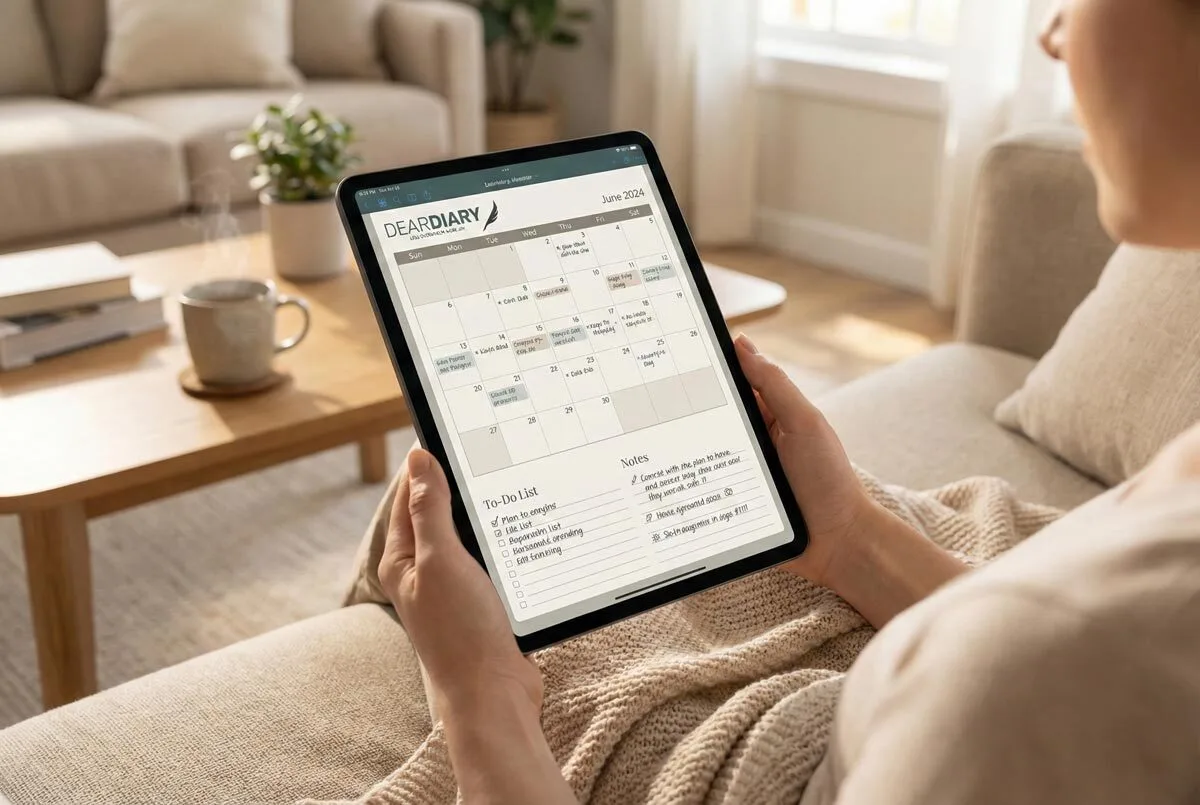
Procrastination hitting hard? Schedule accountability check-ins with friends, family members, or mentors from your community. A comprehensive digital planner with structured layouts can serve as your companion throughout the goal-setting journey. Many teachers find that paperless solutions reduce environmental impact whilst providing unlimited backup options for their personal development tracking. Start each month by dedicating time to your goal setting page where you can articulate both personal and professional ambitions for the weeks ahead.
For those who prefer a tangible approach to goal organisation, consider using a specialised tool designed specifically for holistic wellbeing that includes areas for personal, family, wellness, and business objectives. Planning tools with goal-setting pages provide dedicated space to break down personal aspirations into actionable steps whilst maintaining focus throughout your journey.
Success isn’t about perfect execution—it’s about consistent course correction. Review, adjust, and keep moving forward.
Frequently Asked Questions
How Often Should I Update My Personal Development Goals?
You should update your personal development goals quarterly for structured progress tracking, monthly for motivation maintenance, and immediately after major life changes like job changes or completing certifications to stay aligned.
What if I Consistently Fail to Meet My Development Deadlines?
You’re likely setting unrealistic deadlines or overestimating your capabilities. Break goals into smaller milestones, extend timelines, and review progress weekly. Don’t abandon goals—adjust them to match your actual pace and circumstances.
Should I Share My Personal Development Goals With Others?
You should share your goals with higher-status individuals whose opinions matter to you. This creates accountability and enhances commitment by 76% when combined with written plans and weekly progress updates to trusted partners.
How Do I Stay Motivated When Progress Feels Slow?
Reframe slow progress by celebrating micro-milestones and tracking incremental improvements. You’ll maintain momentum by concentrating on effort consistency rather than outcome perfection, whilst using peer accountability and positive reinforcement to sustain your motivational drive.
Can I Work on Multiple Development Goals Simultaneously?
You can work on multiple development goals simultaneously, but limit yourself to 2-3 focussed objectives. Prioritise high-impact goals, break them into micro-actions, and guarantee they don’t conflict with your available time and energy.