Create a simple three-category system for all incoming mail: action required, reference materials, and immediate disposal. Sort mail daily to prevent overwhelming piles that lead to decision fatigue and missed important documents. Scan postcards and promotional pieces quickly for instant decisions, whilst giving customised mail special attention since it’s often more relevant. Consider unsubscribing from unnecessary lists and requesting digital-only correspondence to reduce volume—but there’s more to optimise your entire system.
While digital communication dominates most business discussions, the reality is that physical mail still floods your postbox with surprising force—and managing it effectively can make or break your productivity. You’re dealing with billions of pieces of marketing mail processed annually in South Africa, which means your personal and business postbox gets hit harder than you might expect.
The first step in controlling this paper avalanche involves recognising what you’re actually receiving.
Direct mail response rates have jumped significantly in recent years, which explains why marketers keep sending more. They’re seeing results that overwhelm email’s response rates, so expect the volume to keep climbing. The South African direct mail market continues expanding as companies recognise its effectiveness.
Direct mail outperforms email response rates, driving marketers to flood postboxes with increasingly targeted campaigns across South Africa’s expanding market.
You need a systematic approach to sorting incoming mail immediately. Create three categories: action required, reference materials, and immediate disposal.
Don’t let mail accumulate on counters or desks—this creates decision fatigue later. Since most marketing mail comes as postcards, you can quickly scan and decide within seconds whether each piece deserves your attention.
Tailored mail demands special consideration because it’s often more relevant. When companies add your name to mailers, response rates increase substantially, meaning they’re likely targeting you with offers that might actually matter. Adding a name to direct mail increases response rates by 135%.
For business mail, establish processing schedules rather than handling pieces randomly throughout the day. Batch processing saves mental energy and prevents important documents from getting buried under promotional materials. Executive leaders rate direct mail as significantly more effective for reaching their attention, which means your important business correspondence competes with increasingly sophisticated marketing pieces.
Digital integration helps manage the physical chaos.
Many companies now include QR codes or tracking elements that let you access information online instead of filing paper copies. This trend towards interactive mailers means you can often get what you need digitally whilst discarding the physical piece immediately. Since direct mail is retained in homes for an average of 17 days, you can establish a routine of weekly mail reviews to catch any pieces you missed during initial sorting. South African Post Office has embraced these digital integration technologies. This eco-friendly choice reduces paper waste and clutter whilst maintaining access to important information through digital channels.
Consider the rising trends affecting your mail volume in the South African market. Paper shortages and postage increases are forcing companies to be more selective about their mailings, which should gradually reduce the flood hitting your postbox. Advanced technology now enables full-colour digital printing that produces more visually appealing mail pieces designed to capture your attention.
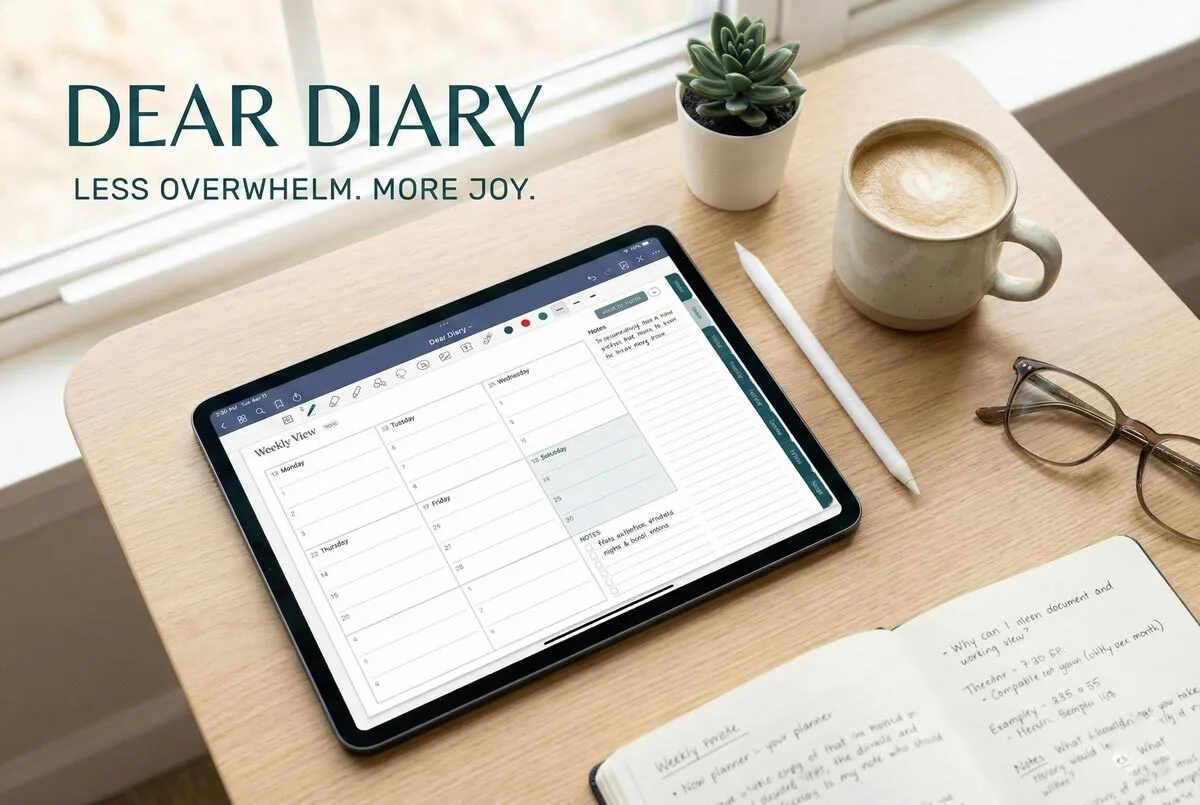
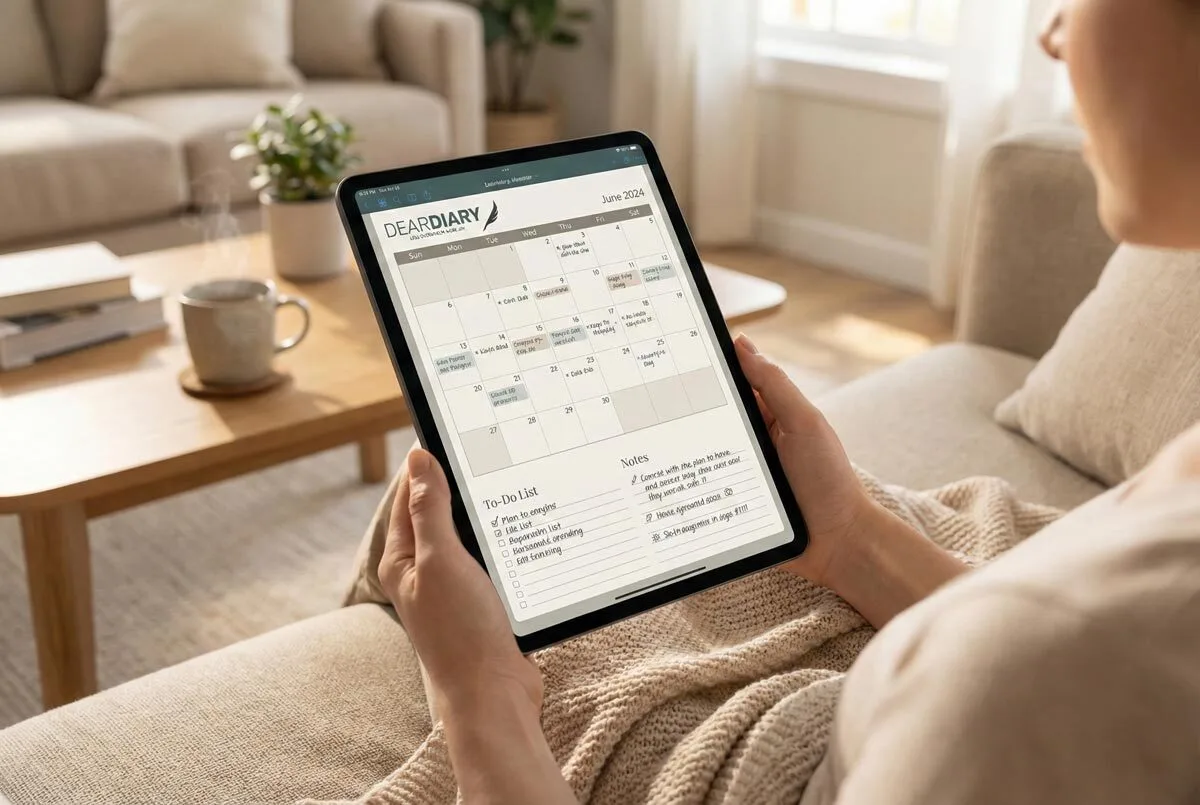
The key to long-term control lies in proactive management rather than reactive sorting. Unsubscribe from unnecessary mailing lists, update your preferences with financial institutions, and communicate with vendors about digital-only correspondence when possible. Just as teachers have adopted digital planners to eliminate physical clutter and improve organisation, you can implement similar paperless strategies for managing your mail and important documents. Consider investing in a comprehensive Everything Planner that combines physical organisation with digital integration to track important correspondence and maintain follow-up schedules across all areas of your life. The Digital Everything Planner provides 581 pages of structured organisation tools specifically designed for women managing busy lives who need to track various appointments, documents, and personal maintenance tasks.
Since consumers now expect tailored mail, companies are investing heavily in targeting accuracy—meaning the mail you receive should become more relevant and less wasteful over time. With 76% of consumers trusting direct mail more than digital ads when making purchasing decisions, businesses have further incentive to ensure their physical mailings reach the right recipients with meaningful content.
Your goal isn’t eliminating all physical mail but creating systems that handle it efficiently without interfering with your daily workflow. Implementing a daily routine for mail processing helps establish consistent habits that prevent paperwork from overwhelming your schedule whilst maintaining the structured approach needed for intentional living.
Frequently Asked Questions
How Long Should I Keep Tax Documents and Financial Records?
Keep tax documents for three years minimum, but extend to six years if you’ve underreported income by 25%. Store employment records for four years and maintain copies of returns indefinitely.
What’s the Best Filing System for Organising Important Documents?
Create hierarchical folders with consistent naming like YYYYMMDD_DocumentType_v01. Use cloud storage for central access, implement role-based permissions, and establish retention periods. Replace spaces with underscores and include metadata tags for better searchability.
Should I Scan Documents or Keep Physical Copies?
You should use a hybrid approach: scan routine documents for easy access and space savings, but keep physical copies of legally required papers like contracts, wills, and tax returns for compliance.
How Do I Handle Post When Travelling for Extended Periods?
Set automated out-of-office replies with return dates, synchronise emails offline using clients like Mailbird, notify key contacts about delays, and use the two-minute rule for quick responses when you’re connected.
What Should I Do With Expired Warranties and Old Manuals?
You should digitise expired warranties and manuals, then store them in organised digital folders. Keep physical copies only if legally required. Discard outdated manuals unless they’re for items you still own.