You’ll create effective lessons for young children by establishing SMART learning objectives that target cognitive, social, and emotional development. Build predictable routines whilst staying flexible enough to follow children’s interests and spontaneous learning moments. Use differentiated instruction that accommodates varied learning paces and incorporates culturally relevant materials. Focus on hands-on, play-based activities with sensory exploration and role-play opportunities. Observe children’s responses continuously rather than formal testing, and there’s much more to master.
Key Takeaways
- Establish SMART learning objectives that address cognitive, social, emotional, and physical development to guide meaningful educational experiences.
- Create predictable daily routines whilst maintaining flexibility for spontaneous learning moments and child-led exploration opportunities.
- Use differentiated instruction by profiling children’s backgrounds, learning styles, and interests to accommodate varied learning paces.
- Focus on hands-on, play-based learning strategies with interactive discussions, role-plays, and sensory exploration activities.
- Incorporate ongoing assessment through observation and participation checks whilst conducting post-class reflection for continuous improvement.

Planning Lessons for Young Children****
When you’re planning lessons for young children, you’re not just organising activities—you’re creating the foundation for how they’ll view learning for years to come. The difference between a child who lights up at learning opportunities and one who dreads them often comes down to how thoughtfully you’ve structured their early educational experiences.
Start with clear learning objectives using SMART criteria—Specific, Measurable, Achievable, Relevant, and Time-bound goals that address cognitive, social, emotional, and physical development. You can’t hit a target you haven’t defined, and young children need focused skill-building across all developmental domains. When you align your activities directly with these objectives, you’ll ensure every minute counts toward meaningful growth.
You can’t hit a target you haven’t defined—every minute must count toward meaningful growth across all developmental domains.
Establish predictable daily routines that nurture security whilst building in flexibility for spontaneous learning moments. Children thrive on structure, but they also need room for investigation when curiosity strikes. Balance your planned activities with child-led exploration time, and don’t be surprised when their interests take you in unexpected directions—that’s where the magic happens.
Design your lessons around the children you’re actually teaching, not some theoretical average learner. Profile their backgrounds, prior knowledge, and learning styles, then incorporate differentiated instruction to accommodate varied learning paces. Use culturally inclusive materials that reflect South Africa’s diverse heritage and integrate their interests into lesson themes. If they’re fascinated by local birds like the Cape Weaver outside the classroom window, build a unit around it. Authentic engagement beats scripted curriculum every time.
Focus on hands-on, play-based learning that sustains engagement through interactive strategies like discussions, role-plays, and problem-solving tasks. Include both small group and individual activities, and link everything to real-world applications relevant to South African contexts. Children need to touch, investigate, and create—not just sit and listen. These play-based opportunities for hands-on exploration allow children to learn most naturally through their senses and experiences.
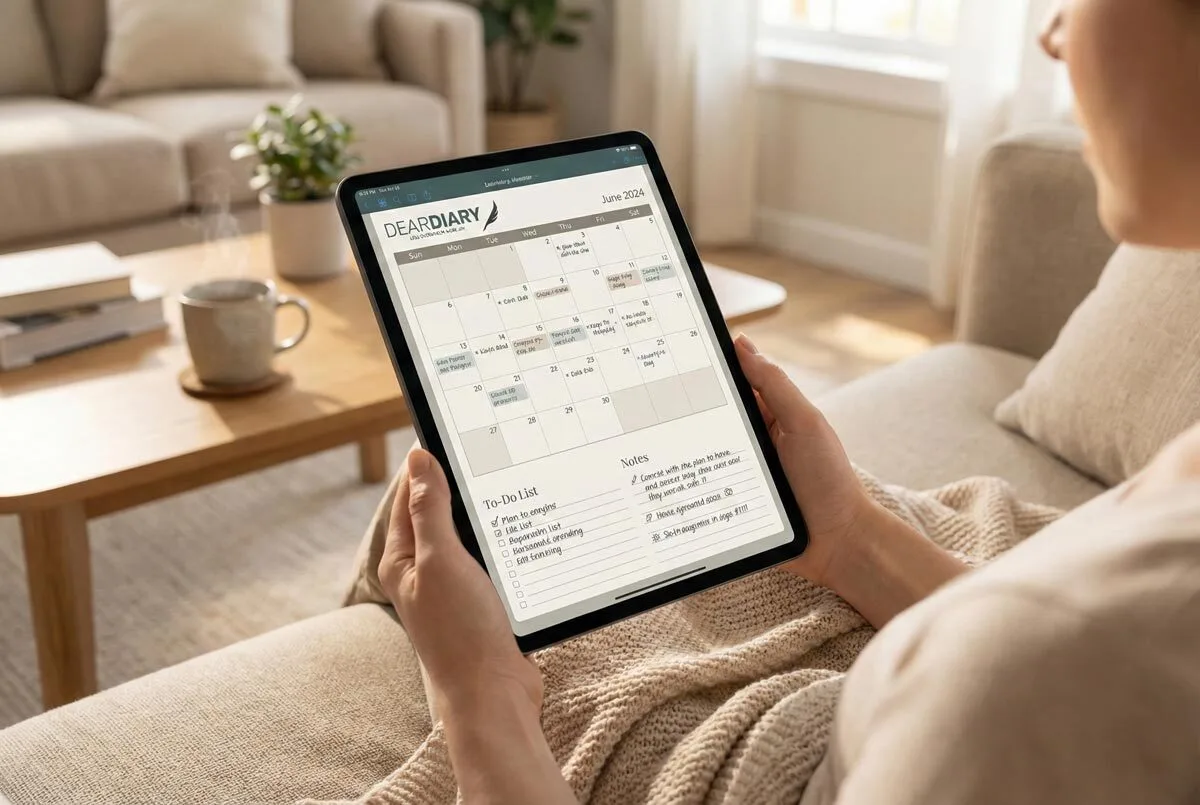
Build assessment naturally into your lessons through observation and participation checks. Use informal methods like quick verbal prompts during activities to gauge comprehension and adjust instruction on the spot. Document children’s responses without turning assessment into a stressful event. Your feedback should guide improvement whilst maintaining their natural enthusiasm for learning. A comprehensive double-page 14-lesson planner can help you systematically organise multiple lessons whilst tracking student progress across the week.
Watch for teachable moments and weave them into existing themes rather than dismissing them as interruptions. Maintain a list of versatile resources you can implement quickly when opportunities arise. Plan your transitions carefully to minimise interruptions and maintain engagement—those in-between moments can make or break your lesson flow. Remember that post-class reflection is essential for identifying what worked well and what needs adjustment for future lessons.
Frequently Asked Questions
How Do I Handle Disruptive Behaviour During Planned Lessons?
You’ll redirect attention away from troubling behaviour, use movement activities for physical de-escalation, ask neutral questions instead of interrogating, and address issues privately rather than publicly shaming students during lessons.
What Materials and Supplies Are Essential for Effective Lesson Planning?
You’ll need storybooks, art supplies, educational games, and sensory materials as your foundation. Add visual aids, building blocks, manipulatives, and role-playing kits to create engaging, hands-on lessons that support children’s development.
How Long Should Each Lesson Be for Different Age Groups?
You’ll want short 6-8 minute lessons for toddlers under three, 8-10 minutes for preschoolers, and up to 15 minutes for children over 3.5 years old, splitting longer sessions into manageable blocks.
How Do I Adapt Lessons for Children With Special Needs?
You’ll modify lessons by implementing tiered complexity levels, using multi-sensory teaching methods, creating choice boards for diverse preferences, establishing predictable routines, and incorporating assistive tools whilst aligning activities with each child’s IEP objectives.
What Should I Do When a Lesson Isn’t Working as Planned?
When your lesson isn’t working, quickly switch to alternative study modes or sensory-based activities. Use proximity control to redirect off-task students, incorporate movement breaks, and offer choice-based incentives to re-engage children immediately.