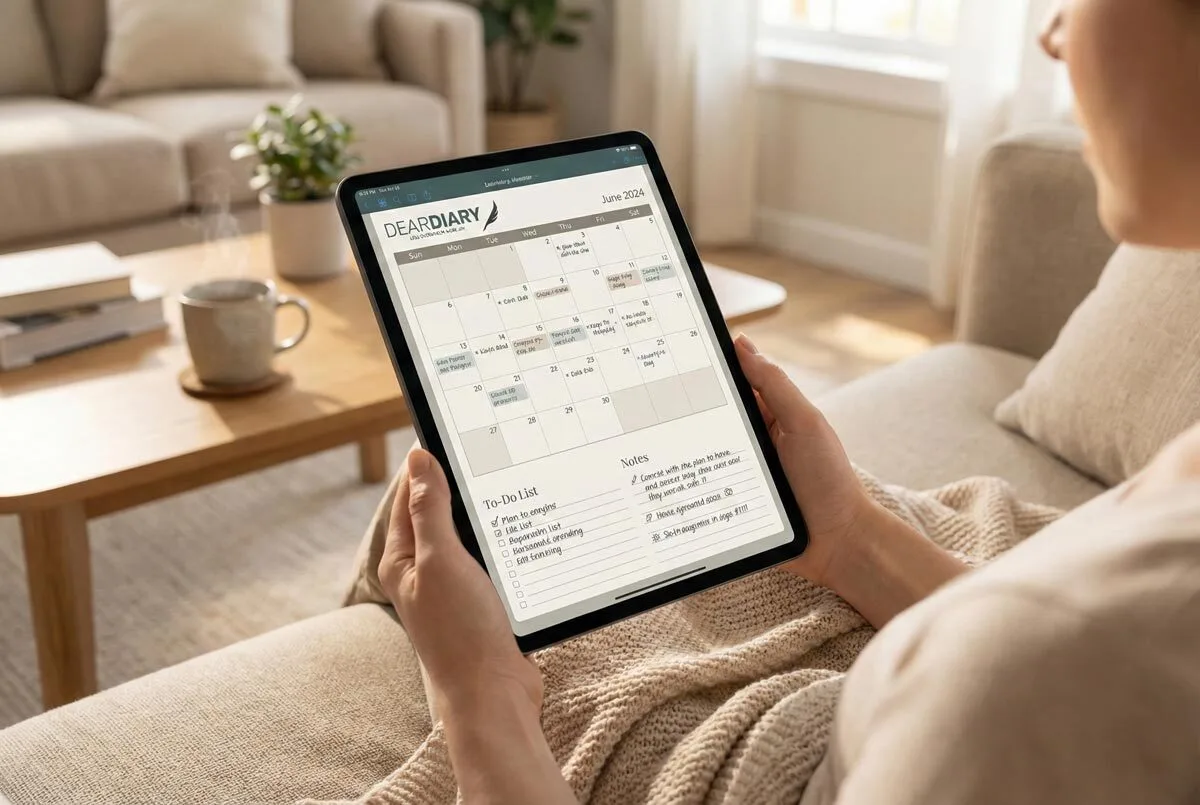
Start by observing your family’s natural energy patterns—when are your children most alert and focused? Schedule challenging subjects like maths during peak hours, typically mornings for most families. Create manageable 30-45 minute blocks with strategic breaks, and group similar subjects together for efficiency. Use a flexible loop schedule that rotates demanding topics weekly rather than cramming everything daily. Remember, consistency beats perfection every time. There’s much more to building a sustainable routine that grows with your family’s needs.
Key Takeaways
- Evaluate your family’s natural rhythms and peak learning times before creating any schedule structure.
- Focus on predictable daily flow rather than rigid time slots to maintain flexibility and reduce stress.
- Schedule the most challenging subjects during your children’s peak mental focus periods each day.
- Plan strategic breaks every 30-45 minutes and include outdoor activities to maintain engagement and energy.
- Review and adapt your schedule fortnightly based on what’s working and gather feedback from children.

Why does creating a homeschool timetable feel like solving a Rubik’s cube blindfolded? You’re juggling multiple children, different year levels, and countless subjects whilst trying to maintain some semblance of sanity. The good news? You don’t need a perfect timetable—you need one that actually works for your family.
Start by honestly evaluating your family’s lifestyle and preferences. Are you morning people who tackle maths at 7 AM, or do you hit your stride after lunch? Consider each child’s age, year level, and learning style. Your visual learner might thrive with colourful charts, whilst your kinaesthetic kid needs hands-on activities. Don’t forget to examine learning disabilities or special needs that require extra time or specialised approaches.
Know your family’s rhythms and each child’s unique learning style before pencilling in a single subject.
Structure your day into manageable chunks—morning routine, school block, and afternoon activities. This isn’t about rigid time slots; it’s about creating predictable flow. Remember that traditional classroom timetables simply don’t translate to the homeschool environment where flexibility reigns supreme. Prioritise core subjects during your school block when everyone’s mentally fresh. Include non-academic tasks like chores and meals as natural shifts. Family-style courses work beautifully for subjects like history or science where siblings can learn together at different levels.
Tackle challenging subjects first when brains are sharpest. Maths at 2 PM rarely goes well if your child’s focus peaks at 10 AM. Rotate demanding subjects weekly using a loop timetable—this prevents the dreaded “we’re always behind in science” syndrome. Alternate problematic subjects with breaks or easier material. Save creative subjects for when motivation naturally runs high.
Strategic breaks aren’t luxuries—they’re necessities. Plan short breaks every 30-45 minutes, especially for younger children whose attention spans resemble goldfish. Schedule outdoor activities for physical breaks and use meals as natural pause points. Allow unstructured free time after formal school hours. Your children need time to decompress and play.
Create flexible timetabling systems that bend without breaking. Group similar subjects together—knock out all language arts in one session rather than spreading it throughout the day. Substitute regular subjects for field trips or real-world learning experiences. Limit new subjects per day to avoid overwhelming reluctant learners.
Track your family’s obligations proactively using a separate calendar for homeschool co-ops, sports, and appointments. Reserve specific days for these activities and allocate fixed times for music or art lessons. Schedule them weekly rather than daily to maintain consistency without chaos.
Review your timetable fortnightly and actually listen to your children’s input. Their feedback reveals whether your brilliant plan works in practice. Allow older students to create their timetables for independence, as this fosters responsibility and essential time management skills. Set realistic expectations—you won’t cover everything perfectly every day, and that’s alright. When interruptions inevitably occur, pivot gracefully rather than abandoning ship.
Mix eclectic teaching methods to keep things fresh. Some days call for textbooks, others for hands-on experiments or educational videos. The key isn’t finding the perfect timetable—it’s creating a flexible structure that adjusts to your family’s changing needs whilst maintaining forward momentum in learning.
Frequently Asked Questions
What if My Child Resists the Homeschool Schedule I’ve Created?
Try involving your child in redesigning the schedule together. Let them choose subjects or activities they’re excited about. Use flexible time blocks and frequent breaks. Their resistance often signals they need more ownership and input.
How Do I Handle Scheduling When I Have Multiple Children at Different Levels?
You’ll succeed by grouping similar subjects across year levels, using morning baskets for shared activities, and creating independent work stations. Alternate between whole-group instruction and individual attention whilst younger children nap.
Should I Follow a Traditional School Calendar or Create My Own Year-Round Schedule?
You’ll thrive with either approach depending on your family’s needs. Choose traditional if you value extended breaks and community alignment. Pick year-round if you prefer consistent learning and shorter breaks.
How Much Time Should I Allocate for Each Subject per Day?
You should allocate 20-45 minutes for core subjects like maths and language arts, 5-20 minutes for younger children’s lessons, and 10-30 minutes for electives, adjusting based on your child’s year level.
What Do I Do When We Fall Behind Our Planned Schedule?
When you fall behind, reassess priorities weekly and focus on critical subjects first. Use catch-up weeks monthly, implement micro-sessions, and welcome flexibility. Accept imperfection—homeschooling’s strength lies in adjustability, not rigid schedules.