Start with inclusive family meetings where everyone contributes ideas through visual tools like drawings or vision boards. Structure goals using the SMART system, breaking larger objectives into manageable steps across categories like health, finance, and education. Create visual tracking systems with calendars or wall displays, celebrating milestones to maintain motivation. Schedule regular check-ins for progress reviews and adjustments. Assign age-appropriate responsibilities whilst maintaining open communication throughout the process, and you’ll uncover specific strategies that turn family aspirations into consistent achievements.
When families attempt to set goals together, they often reveal that getting everyone on the same page feels like herding cats—especially when you’re dealing with different ages, interests, and attention spans. The secret isn’t forcing everyone into the same mould but creating a flexible structure that accommodates your family’s unique interactions whilst maintaining forward momentum.
Start with inclusive family meetings where everyone gets a voice. You’ll want to initiate these discussions through creative brainstorming sessions using visual tools like drawings or vision boards.
Give every family member a voice through creative brainstorming sessions using visual tools like drawings or vision boards.
This approach works particularly well for younger children who might struggle with abstract concepts but can easily draw their ideal family holiday to the coast or bedroom setup. Ask guided questions like “What would make us happier as a family?” to spark meaningful reflection rather than generic responses.
Your goals need structure, and the SMART structure delivers exactly that. Make them specific by defining clear actions—think “weekly family game nights every Friday” instead of “spend more time together.” Build in measurability by tracking concrete metrics like successful meal prep sessions or household savings achieved.
Break larger objectives into manageable steps, such as setting aside money daily to reach bigger financial targets, ensuring they remain achievable for your current situation. Organise your goals into logical categories like Health, Finance, Education, and Recreation. Download and utilise free goal templates to streamline your family planning process and ensure comprehensive tracking.
This systematic approach prevents overwhelm whilst allowing you to tackle priorities in order. You might address establishing consistent meal routines before exploring long-term savings projects. Assign realistic timeframes that align with your family’s schedule and rank goals by genuine urgency.
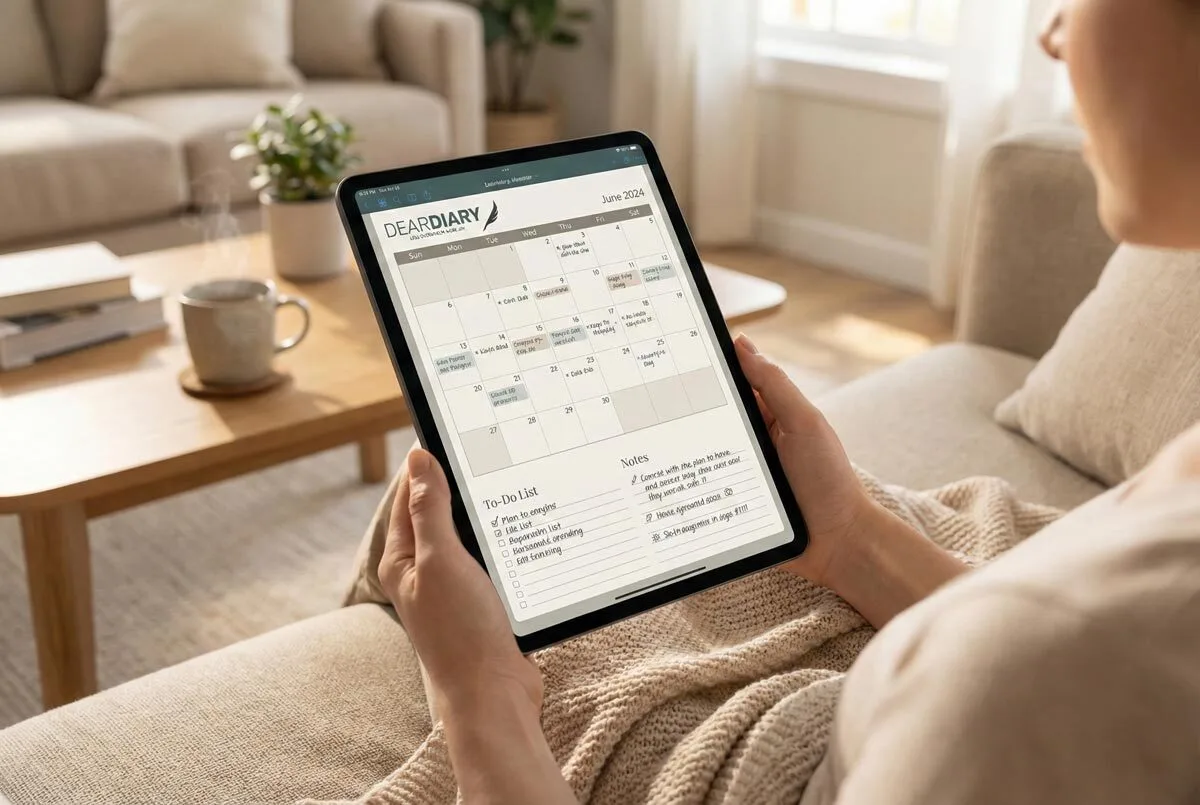
Visual tracking systems become your accountability backbone. Use calendars, journals, or wall displays where progress stays visible to everyone. Segment larger goals into smaller action steps—meal prepping becomes planning menus, creating shopping lists, and designated prep times.
When families achieve milestones, celebrate these small victories to maintain enthusiasm and recognise meaningful progress. Implement incentive systems that reward milestone achievements through shared activities like film nights or special outings. Schedule regular check-ins to review progress, discuss challenges, and make necessary adjustments to keep everyone motivated and on track. Communication channels must accommodate all family members.
Encourage input from everyone whilst modifying methods for different ages—let kids contribute through storytelling or drawing sessions about family aspirations. Delegate specific responsibilities to create measurable accountability, but maintain non-judgmental problem-solving when discussing setbacks.
Focus heavily on financial and health priorities since these impact daily life most notably. Create concrete budget plans with automatic transfers, establish structured meal calendars to reduce dining out, and schedule weekly outdoor activities or barbecue sessions. Enforce consistent sleep routines and track health metrics like exercise days or screen time limits. Goal setting strengthens the family unit through shared objectives and collaborative effort.
Regular progress evaluation keeps momentum alive without becoming burdensome. Schedule monthly or quarterly reviews using journals, spreadsheets, or family-friendly apps. Build in adjustment protocols that allow goal realignment based on honest feedback—without guilt or judgement.
Frequently Asked Questions
How Often Should We Review and Adjust Our Family Goals?
You should review family goals monthly for ideal progress tracking. Carry out major assessments every six months to evaluate overall achievement. Adjust goals immediately when circumstances change, like income shifts or health issues affecting your family’s priorities.
What Do We Do When Family Members Have Conflicting Goals?
Address interparental conflicts first to improve problem-solving capacity. Use positive communication styles, involve trusted mediators when needed, and emphasise shared family values repeatedly to reduce conflicts and promote goal convergence amongst members.
How Can We Keep Younger Children Engaged in Goal-Setting Activities?
Use visual tracking tools like sticker charts and celebrate small wins frequently. Choose relatable story characters who overcome challenges, then connect their paths to your child’s goals during regular family discussions.
Should We Set Individual Goals or Only Focus on Family Goals?
You’ll maximise outcomes by balancing both individual and family goals. Individual goals promote personal resilience and growth, whilst family goals strengthen collective well-being. Aligning overlapping priorities creates reinforcing interactions for stronger results.
What’s the Best Way to Celebrate When We Achieve Our Goals?
You’ll find success by hosting special celebration dinners, creating visual documentation like scrapbooks, and implementing meaningful reward systems. Include everyone in planning festivities, document achievements with photographs, and celebrate effort alongside outcomes consistently.