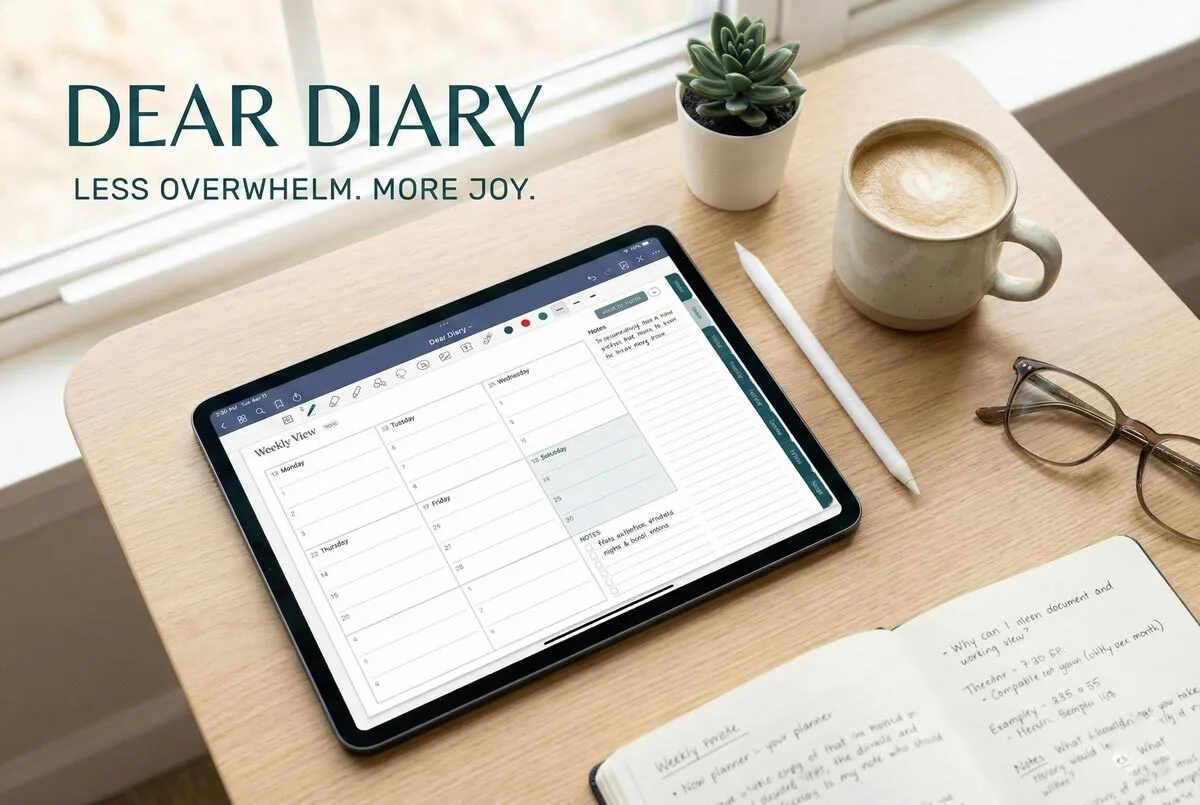
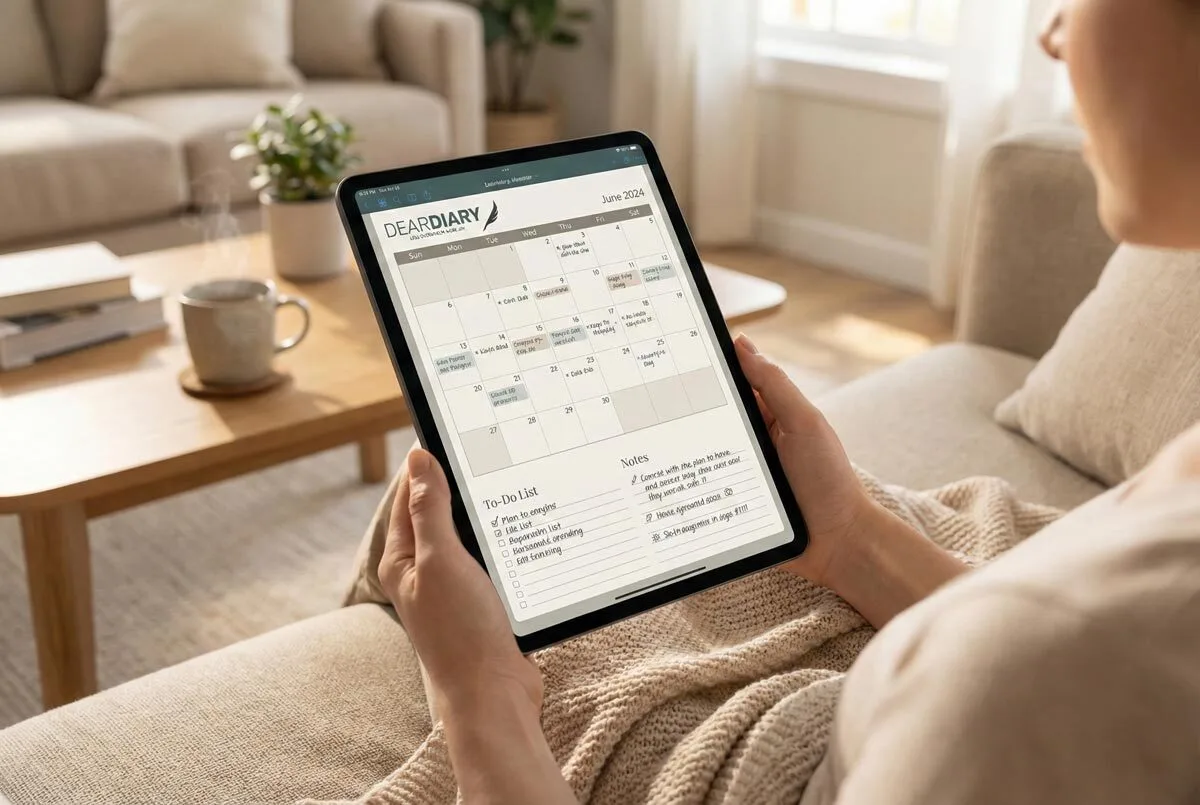
You’ll simplify family chaos with printable emergency contact sheets, meal planning templates, and activity coordination worksheets that eliminate daily decision fatigue. These tools include first aid checklists, weekly menu planners paired with shopping lists, holiday itineraries, and school information sheets that capture everything from teacher contacts to transport routes. Financial organisation becomes manageable through monthly budget spreadsheets and expense trackers that identify spending patterns, whilst daily routine templates create consistent morning and evening checklists for sustainable household management systems.
When life feels like you’re juggling flaming torches whilst riding a unicycle, printable family organisation tools can bring order to the beautiful chaos. These templates transform scattered thoughts into actionable systems, helping you manage everything from doctor appointments to dinner menus with less stress and more success.
Emergency preparedness becomes manageable with structured information sheets that centralise critical contacts like your paediatrician’s after-hours number or poison control. First aid kit checklists guarantee you’re not scrambling for plasters during minor crises.
Blood pressure trackers help monitor ongoing health concerns through daily records. Important phone numbers sheets eliminate frantic searches through your contacts when the cleaner calls in sick last minute.
Meal planning templates tackle the daily “what’s for dinner?” dilemma that haunts every parent around 4 PM. Weekly menu planners reduce decision fatigue by establishing structured meal rotations, whilst grocery lists paired with pantry inventories prevent those embarrassing moments when you realise you’ve bought your third bottle of brown sauce.
Meal prep templates help portion leftovers strategically. Sunday’s roast becomes Tuesday’s quick sandwich filling for school lunch boxes.
Family activity coordination requires more planning than military operations sometimes. Vacation planning worksheets organise itineraries, accommodations, and logistics into digestible chunks rather than overwhelming mental loads. Day trip planners map attractions and parking logistics, because nothing ruins family fun like circling the city centre for thirty minutes searching for spaces.
Travel itineraries provide hour-by-hour structure for Heathrow departures or road trips with multiple stops. Packing checklists ensure you don’t forget essential items when preparing for family trips and holidays.
Educational management keeps you ahead of school chaos through organised information sheets capturing teacher contacts, school transport routes, and class schedules. Important school dates trackers prevent those panic moments when you realise photo day was yesterday and your child wore their grubbiest shirt.
Kids’ friends address lists maintain playdate contacts and birthday party invitations without relying on scattered napkin notes. Daily routine templates establish consistent morning and evening checklists that prevent forgotten lunch boxes or unfed pets. Creating printable checklists for different cleaning tasks helps maintain household routines throughout the week.
Family chore charts assign household responsibilities with built-in accountability, whilst cleaning schedules rotate deep-cleaning tasks to avoid weekend overwhelm. Errand run trackers group tasks by location, maximising efficiency during precious free time. These organised systems help minimise stress across all areas of family life management.
Financial organisation becomes less intimidating with monthly budget spreadsheets that categorise income and expenses visually. Expense logs identify spending trends in categories like groceries or subscriptions, often revealing surprising money drains. A comprehensive budget binder can serve as your central hub for tracking all financial goals and maintaining the cash envelope system effectively.
Savings goals templates break down objectives into monthly contribution targets. Debt repayment planners prioritise high-interest debts systematically, whilst bill payment trackers prevent late fees through due-date notifications.
The key lies in choosing templates matching your family’s specific needs rather than adopting every available system. Start with one problematic area, implement consistently for three weeks, then gradually expand. These printable tools work because they externalise mental load, creating reliable systems that function even during stressful periods when your brain feels like scrambled eggs.
Frequently Asked Questions
How Often Should I Update My Family’s Printable Organisational Tools?
You should update weekly for immediate changes, monthly for major revisions, and seasonally for activity shifts. Use sticky notes for quick adjustments, and synchronise digital calendars with printables regularly to maintain accuracy.
What Paper Size Works Best for Printable Family Organisation Templates?
You’ll find A4 size (210mm x 297mm) works best for family organisation templates since it’s compatible with most home printers and standard ring binders, making storage and access convenient.
Can Printable Family Tools Work for Single-Parent Households Effectively?
You’ll find printable family tools exceptionally effective for single-parent households. They centralise critical information, simplify daily routines, track finances independently, and delegate age-appropriate tasks to children, reducing your solo parenting workload considerably.
Should Children Help Create Their Own Sections of Family Organisational Tools?
You should absolutely involve children in creating their organisational sections. They’ll develop ownership, responsibility, and essential life skills whilst you’re building systems that actually work for your family’s unique needs and preferences.
How Do I Prevent Printable Organisational Sheets From Getting Damaged or Lost?
Use cardstock for durability, laminate high-use sheets, store everything in binders with page protectors, maintain digital backups in cloud storage, and designate fixed storage areas with colour-coded tabs for quick retrieval.