You’ll need five essential sections to convert your chaotic schedule into organised success: daily/weekly time-blocking grids with 30-minute increments for realistic scheduling, quarterly goal roadmaps that break overwhelming projects into 13-week phases, visual habit trackers with progress bars for motivation, dedicated reflection pages to process wins and setbacks, and wellness integration checklists ensuring self-care doesn’t disappear entirely. These sections work together to create sustainable productivity systems that actually fit your unpredictable life—and there’s much more strategy behind making each one work effectively.
When you’re juggling career deadlines, family responsibilities, and personal goals, a generic planner simply won’t cut it. You need specific sections that actually address the chaos of modern life, not pretty pages that look good on Instagram but fail when Monday morning hits.
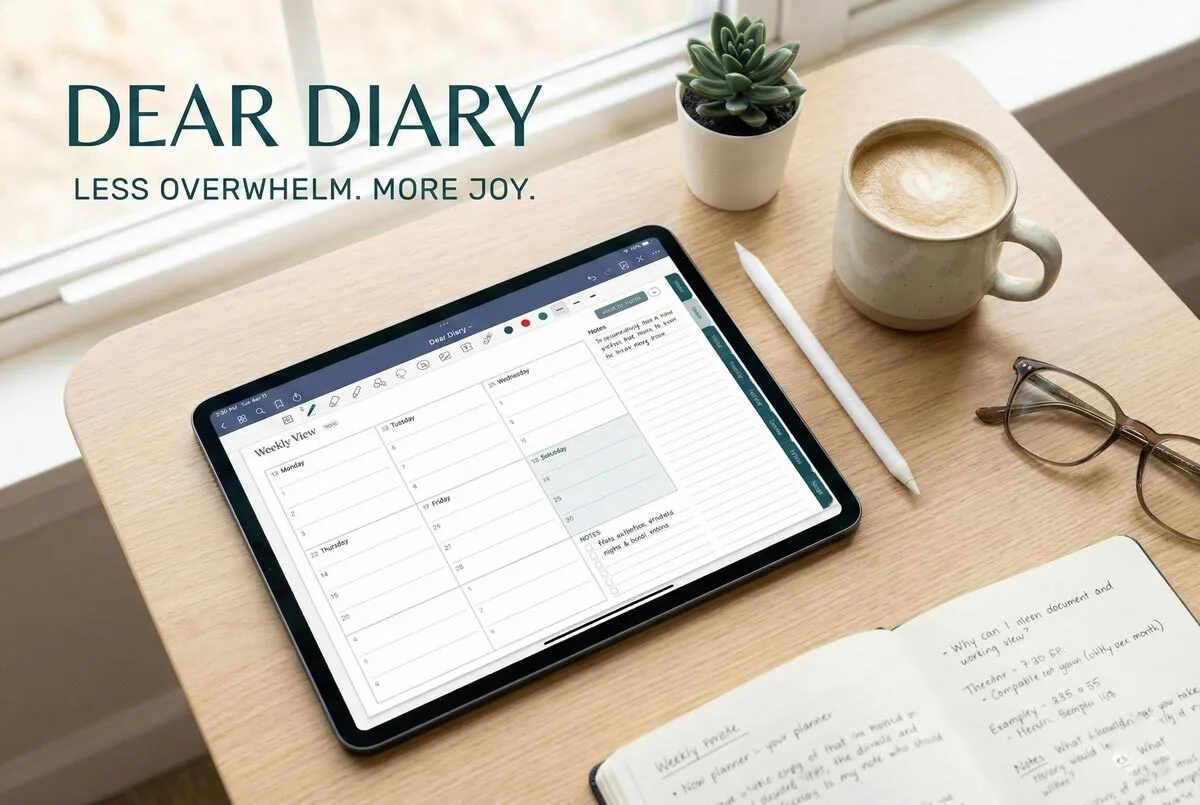
Start with daily and weekly layouts that include 30-minute increment grids. This isn’t overkill—it’s survival when you’re cramming a dentist appointment between a client call and school pickup.
Detailed time blocking isn’t perfectionism—it’s the difference between managing your day and your day managing you.
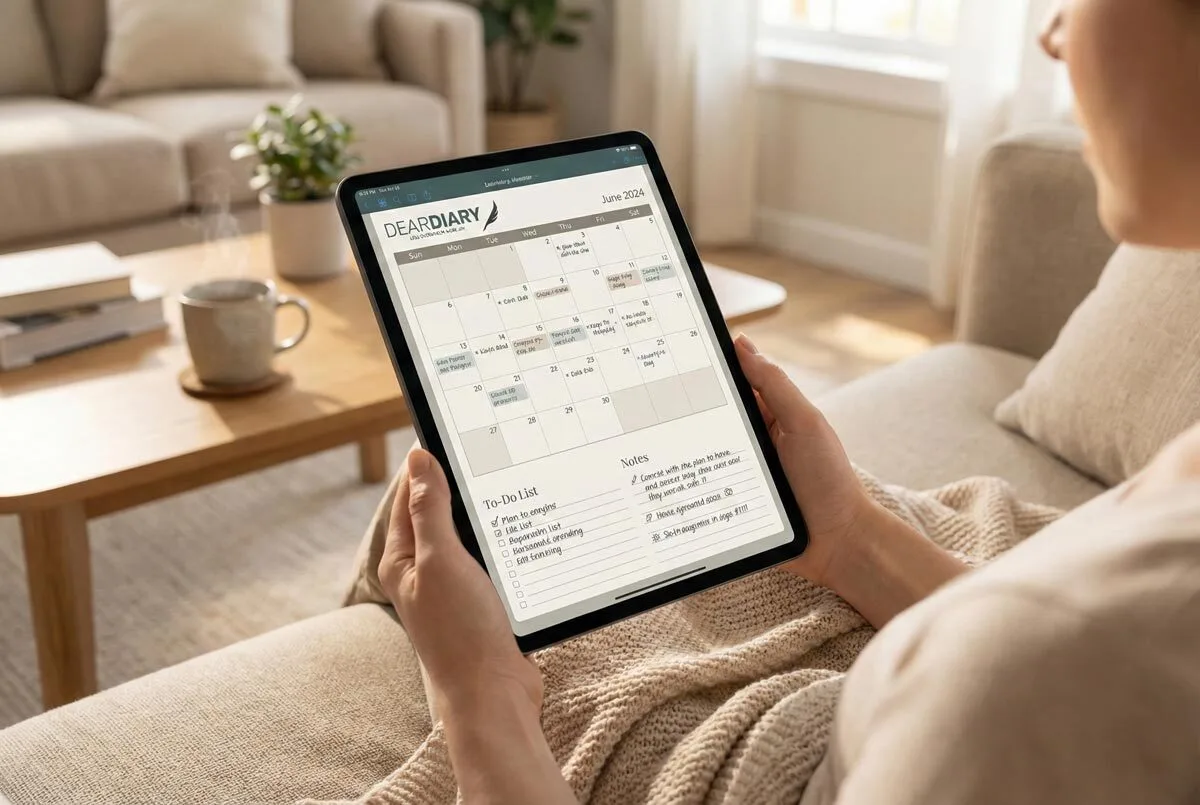
Monthly overview grids are non-negotiable for seeing the bigger picture. Include space for appointments, deadlines, and those sneaky events that always pop up.
Goal tracking sections convert vague intentions into concrete progress. Look for 13-week roadmaps that break overwhelming projects into manageable phases. Pair these with habit trackers featuring tick boxes or progress bars—visual progress is incredibly motivating.
Don’t overlook productivity metrics sections. Wins, lessons learnt, and gratitude logs aren’t fluffy add-ons; they’re diagnostic tools that help identify what’s working. Dedicated reflection sections help you process achievements and setbacks to continuously improve your planning effectiveness.
Wellness integration matters too—self-care checklists remind you that maintaining yourself isn’t selfish, it’s strategic. A Budget Page for tracking income and expenses becomes essential when you’re managing household finances alongside personal and professional goals.
Practical organisation tools make or break daily usage. Colour-coded categories enable quick visual scanning when you’re rushing between Sandton meetings and Johannesburg school runs. Choose layouts that allow quick entries so you can capture important information without spending excessive time filling out complex forms.
Undated pages eliminate the guilt of skipped days and prevent wasted space. Look for planners with mind maps for visualising complex projects and brainstorming sessions. The most comprehensive planners contain 581 pages designed to help you master the various aspects of your busy life.
Digital sync capabilities are essential for modern South African life. You need cross-platform compatibility between your phone, tablet, and computer. Cloud backup ensures you won’t lose everything when loadshedding strikes at the worst possible moment. Interchangeable covers provide trendy customisation options while maintaining the functional layout you depend on.
Flexible layouts accommodate real life’s unpredictability, from unexpected traffic on the N1 to last-minute work crises. A dedicated personal details page becomes essential for keeping your contact information and important notes organised in one place. Rigid structures that demand perfection will frustrate you within weeks. Consider planners with daily inspiration quotes that motivate and set a positive tone for challenging days.
Choose designs that allow task prioritisation and note-taking without feeling constrained. Modern digital planners bring calm to chaotic schedules while providing the flexibility to adapt layouts to your specific needs.
Finally, systematic review tools keep you calibrated. Weekly check-ins with progress review templates highlight patterns and problems before they spiral.
Goal recalibration templates help adjust timelines without abandoning objectives entirely.
The right planner sections create structure without suffocation, accountability without shame, and progress tracking without perfectionism. You’re not looking for pretty—you’re looking for functional systems that support your actual life, complete with its beautiful, messy complexity.
Frequently Asked Questions
How Often Should I Review and Update My Planner Entries?
You should review your planner weekly for immediate adjustments and monthly for strategic updates. In high-pressure periods, increase to daily check-ins. Quarterly reviews work well for stable routines and long-term goal alignment.
What’s the Best Time of Day to Plan Tomorrow’s Schedule?
You’ll find late afternoon around 5 p.m. works best for planning tomorrow’s schedule. You’re wrapping up today’s tasks, can reflect on achievements, and have mental clarity before evening distractions set in.
Should I Use Digital or Paper Planners for Maximum Productivity?
You’ll maximise productivity by combining both systems. Use digital planners for scheduling flexibility and automated notifications, whilst keeping a paper planner for deep thinking, goal visualisation, and tasks requiring focussed attention.
How Do I Handle Unexpected Changes That Disrupt My Planned Schedule?
Build buffer time between appointments and implement “disruption days” with open blocks weekly. When changes hit, quickly reassign tasks to others, use sticky notes for immediate replanning, and batch similar errands together afterwards.
What Size Planner Works Best for Women Who Travel Frequently?
Personal size (3.75 x 6.75 inches) works best for frequent travellers. You’ll get enough writing space for detailed itineraries whilst maintaining portability. It fits easily in handbags and withstands repeated packing better than bulkier options.