You’ll want to start by selecting a digital platform that matches your working style—whether that’s gamified apps like Habitica, straightforward task trackers like Todoist, or extensive project management tools like Asana. Structure your goals using SMART criteria or OKRs, then break complex projects into manageable sub-goals. Look for platforms with AI-driven analytics, real-time tracking, and calendar integration to streamline much of the monitoring work whilst keeping you accountable through immediate feedback and milestone celebrations that’ll maintain your motivation throughout the process.
When you’re juggling multiple goals without a clear system, even your best intentions can quickly turn into a chaotic mess of forgotten deadlines and half-finished projects. Digital tools can change this frustrating cycle into an efficient process that actually works.
Start with choosing the right structure for your goals. SMART Goals work best when you need clear metrics and deadlines, whilst OKRs excel at connecting your personal objectives to larger organisational targets.
Choose SMART Goals for clear metrics and deadlines, or OKRs to connect personal objectives with organisational targets.
If you’re building new routines, habit-forming systems focus on daily repetitive actions that create lasting change. For complex projects, action plan breakdown helps you divide overwhelming objectives into manageable sub-goals.
Your choice of digital platform depends on your personality and needs. Gamified platforms like Habitica turn goal tracking into an RPG-style game where you earn rewards for completing tasks and face penalties for missed deadlines. It’s surprisingly effective—nothing motivates like watching your digital character lose health points because you skipped the gym.
Task trackers such as Todoist and Trello prioritise goal-related tasks with clean, straightforward interfaces. Project management suites like Asana or Lark integrate goal tracking with team workflows, making them ideal for collaborative objectives.
The real power lies in leveraging core features that facilitate your success. AI-driven analytics analyse your performance data and recommend goal adjustments before you hit roadblocks.
Task linking connects your daily actions to overarching objectives, so you’ll always grasp why each activity matters. Real-time tracking keeps your progress dashboards current and notifies you when priorities shift.
For team environments, collaboration tools become essential. Lattice‘s OKR system connects individual performance to company objectives, whilst shared dashboards visualise collective progress.
Real-time feedback loops allow continuous goal adjustments based on team input, and cross-functional integration syncs goals with project tasks across departments. Goal-setting software reduces micromanagement by creating clear expectations and empowering teams to track their own progress independently.
Automation capabilities eliminate the tedious management work that derails most goal-tracking efforts. AI-recommended goals suggest actionable targets based on your historical performance data, whilst automated progress reports summarise your status without manual intervention.
Calendar sync integrates goal-related tasks with your existing schedule, and task automation workflows trigger notifications when deadlines shift. Many platforms now offer performance reviews integration to evaluate goal achievement within broader employee assessment frameworks.
Users working within budgets can start with free tools like Trello or Habitica, which offer basic functionality with optional upgrades available. Many digital planning systems offer immediate download capabilities, allowing you to start organising and tracking your goals right away without waiting for physical products to arrive.
Enterprise solutions like Lattice or GoalsOnTrack blend extensive goal management with performance reviews and advanced analytics. For women seeking complete organisation control, comprehensive tools featuring holistic living frameworks provide goal tracking alongside daily, weekly, and monthly planning capabilities. These platforms provide immediate feedback through progress indicators that help you adjust your approach when you’re falling behind schedule. The most effective tools include milestone celebrations with rewards like badges to maintain motivation throughout your goal achievement journey.
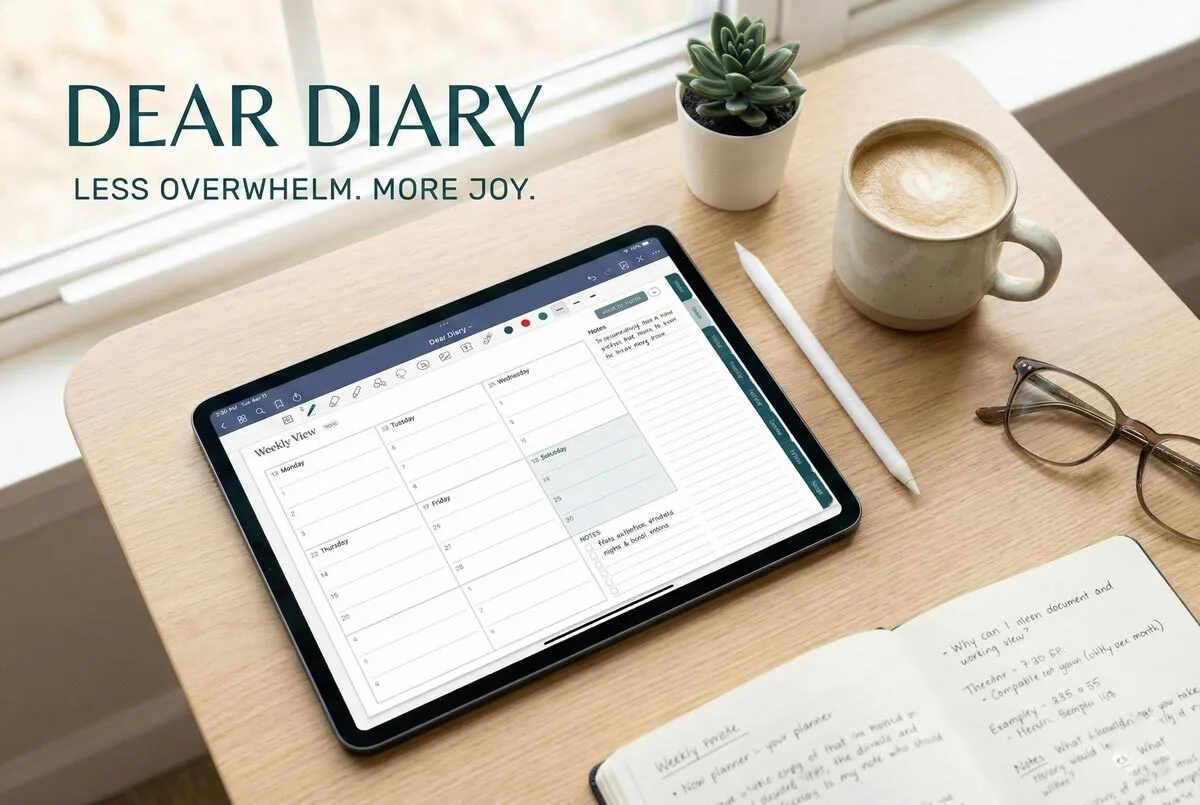
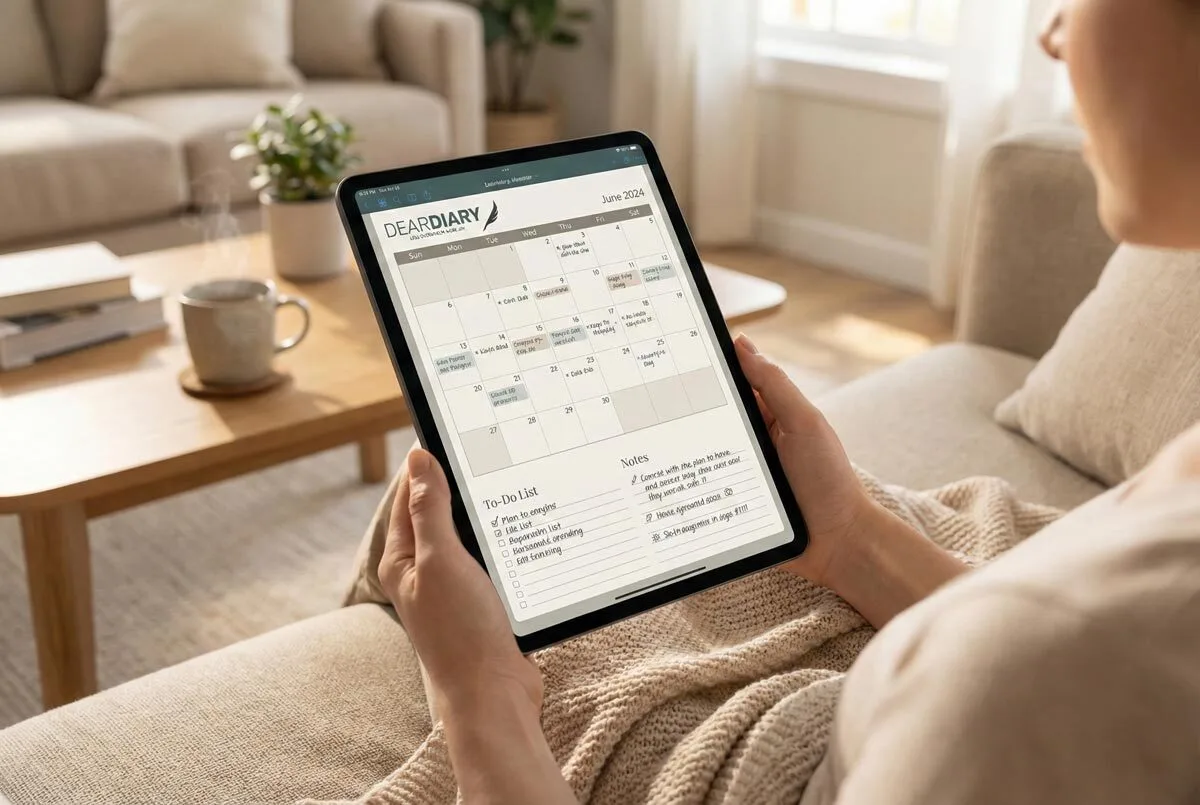
The key is matching your tool to your working style. If you thrive on competition, leaderboards and community challenges provide accountability. If you prefer systematic approaches, detailed progress tracking and integrated reporting keep you organised. Professional digital planners offer structured layouts that combine goal tracking with comprehensive life management features across 581 pages of organised templates. For educators managing both personal and professional objectives, some planners include goal setting pages that help articulate career ambitions alongside yearly planning features for tracking key dates and milestones.
Don’t overthink the selection process—pick one platform, commit to using it consistently for thirty days, then evaluate whether it’s improving your goal achievement rate. Digital planning tools offer customisable layouts that adapt to individual workflows, ensuring your system fits your unique style rather than forcing you to adapt to rigid structures. The best digital tool is simply the one you’ll actually use regularly.
Frequently Asked Questions
What Happens to My Goal Data if the App Company Shuts Down?
You’ll likely lose your goal data permanently unless you’ve backed it up beforehand. Most apps don’t guarantee data return during shutdowns, so regularly export your information to personal storage.
How Do I Maintain Motivation When Digital Tracking Becomes Overwhelming or Stressful?
Simplify your tracking by removing unused features and focusing on key metrics only. Take scheduled breaks from monitoring, use positive reinforcement over pressure, and switch to mechanised data collection to reduce manual effort.
Should I Backup My Goal Tracking Data and How Often?
You should absolutely backup your goal tracking data using the 3-2-1 strategy. Back up weekly for thorough snapshots and daily for frequently updated metrics. You’ll protect against data loss and maintain progress continuity.
Can I Track Goals Offline When I Don’t Have Internet Access?
Yes, you can track goals offline using apps like Milestones, which stores your progress locally on your device and automatically synchronises when you’re reconnected to the internet.
How Do I Prevent Goal Tracking From Becoming an Obsessive Habit?
Set specific tracking times, monitor how long you’re spending, and accept imperfect data entries. Use apps with time limits, share progress with others, and prioritise high-level progress over detailed minute-by-minute tracking.