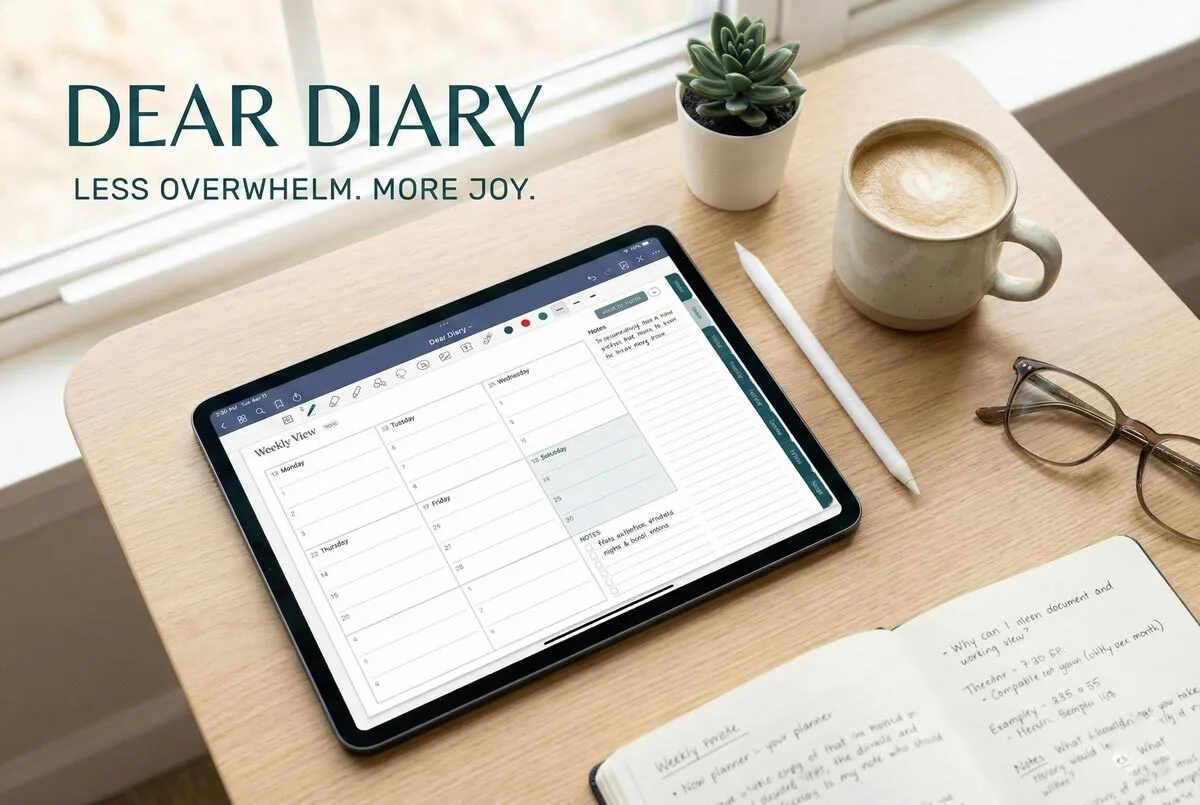
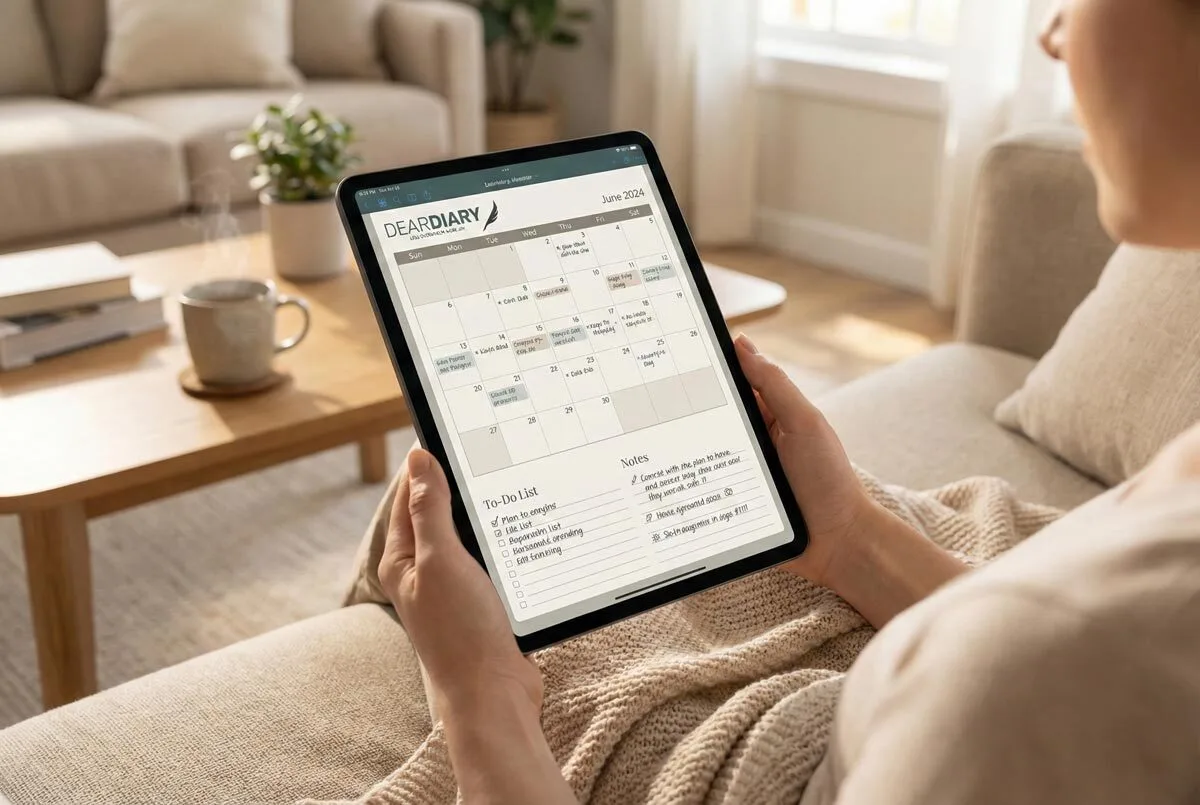
Start with selecting 3-4 specific habits and selecting either a digital app like Habitica or a simple pen-and-paper tracker that fits your daily routine. Use colour-coding to instantly visualise your wins and misses, then commit to tracking consistently for at least 66 days—that’s how long it takes habits to become automatic. Celebrate small victories and focus on progress streaks rather than perfection, since visual momentum becomes genuinely addictive once you see patterns emerge.
Whether you’re trying to drink more water, exercise consistently, or finally stick to that meditation routine, building lasting habits feels like an uphill battle without the right tracking system. The solution isn’t willpower alone – it’s creating a visual accountability system that turns your progress into something tangible you can see every day.
Start with basic layout design that works for your lifestyle. Pre-plan boxes or days for each habit you want to track, whether that’s exercise, hydration, or meditation. You’ll want a colour-coding system that makes sense at a glance – green for successful days, red for missed ones, and blue for hydration goals.
Visual organisation beats mental gymnastics – design your habit tracker with intuitive colour codes that instantly show your wins, misses, and progress patterns.
Choose your tracking method based on how you actually live, not how you think you should live. Digital apps like Habitica, HabitBull, and Way of Life offer customisable interfaces with built-in analytics that do the maths for you. But don’t discount the power of pen and paper – bullet journals and dedicated notebooks provide that satisfying tactile experience of physically marking your progress.
Set clear, achievable objectives that won’t overwhelm you into quitting by day three. Define daily and weekly milestones for each habit, and categorise them properly. Modern AI-powered tools can even create custom habit-tracking applications without requiring any coding knowledge. Limiting yourself to 4-5 items maximum prevents the overwhelming complexity that causes most habit tracking systems to fail after the initial motivation fades.
Progress visualisation keeps you engaged when the initial excitement wears off. Maintain streaks using unbroken colour blocks or lines that create visual momentum. Those consecutive days of success become surprisingly addictive once you see them building up. Celebrating these small wins provides the motivation needed to maintain long-term consistency.
Managing negative habits requires a different approach than building positive ones. Create separate sections for habits you’re trying to avoid, using red highlights or exclusionary indicators when you slip up. Link these avoidance goals to replacement behaviours – instead of just “no caffeine,” track “rooibos tea instead of coffee.”
Digital customisation opens up possibilities that paper can’t match. Smartphone apps allow you to set custom reminders and track multiple habits simultaneously. Implement completion percentage calculators for habits that aren’t simply yes-or-no activities.
The key is consistency in tracking itself, not perfection in your habits. Remember that habit formation takes an average of 66 days to become automatic, so maintaining your tracking system through this period is crucial for long-term success. Your tracker becomes a data-driven mirror showing exactly where you stand, which habits stick easily, and which ones need more support.
Frequently Asked Questions
How Long Does It Take to Form a New Habit?
You’ll typically need 59-66 days to form a new habit, though it can range from 18-335 days. Complex behaviours take longer than simple ones, and you’ll see rapid initial progress followed by slower gains.
What Should I Do if I Miss Tracking for Several Days?
Resume tracking within 48 hours to prevent habit decay. Don’t judge yourself—reframe missed days as temporary gaps. Start simple with one habit, tie tracking to existing routines, and celebrate your comeback.
How Many Habits Should I Track Simultaneously as a Beginner?
Start with 2-3 habits maximum as a beginner. You’ll avoid overwhelm whilst building consistency. Focus on high-impact behaviours like exercise or hydration. Once these stick naturally, you can gradually add more habits.
Can I Use Habit Tracking for Breaking Bad Habits Too?
You can absolutely use habit tracking for breaking bad habits. Track when you resist temptations and substitute positive behaviours. Consistent monitoring helps identify triggers and reinforces alternatives, preventing relapse through visual pattern recognition.
What’s the Best Time of Day to Update My Habit Tracker?
You’ll find evening updates work best since they align with natural wind-down routines and let you reflect on completed habits. Consistency matters more than exact timing, so choose whatever schedule you’ll actually maintain.