Creative journaling combines traditional writing with artistic elements like sketches, watercolours, and collages to help you process emotions beyond what words alone can express. You’ll need basic supplies: a blank notebook, coloured pens, glue stick, and scissors. Start simple with gratitude logs improved by imagery, or try mind maps decorated with doodles for problem-solving. This practice reduces stress, boosts self-awareness, and provides a judgement-free space for working through complex feelings and experiences.
That blank page staring back at you doesn’t have to be intimidating—it can become your most powerful tool for emotional healing and creative exploration.
Creative journaling combines traditional writing with artistic elements like sketches, collages, watercolour, and mixed media to help you process emotions and experiences in ways that words alone simply can’t capture. Unlike regular journaling, you’re not bound by grammar rules or perfect penmanship.
Break free from grammar constraints and let artistic elements amplify your emotional expression beyond what words alone can achieve.
You can express complex feelings through colour, texture, and visual metaphors. Maybe you’re dealing with anxiety—instead of writing paragraphs about it, you might create jagged lines with dark pencil strokes, then overlay calming blue watercolour washes. This visual-textual approach often reveals understandings that purely verbal processing misses entirely.
Your creative journal becomes a private space for working through inner conflicts without judgement. You’ll find yourself developing emotional clarity as you experiment with different artistic techniques. The act of creating—whether you’re hand-lettering an inspiring quote or collaging magazine cutouts—naturally facilitates catharsis, reducing stress whilst promoting inner peace through focused introspection.
One of creative journaling‘s greatest benefits is improved self-awareness. You’ll track personal growth patterns by reflecting on past entries, analysing challenges through non-linear visual approaches rather than logical step-by-step thinking.
This structured reflection strengthens your decision-making abilities and helps you recognise recurring thought patterns you hadn’t noticed before. Creative problem-solving emerges naturally through open-ended exercises. When you’re stuck on a challenge, try brainstorming solutions using mind maps decorated with doodles, or write potential outcomes in different coloured inks.
You’ll re-examine obstacles from fresh angles and organise fragmented thoughts into actionable structures. Visualising alternative outcomes through experimental layouts often reveals solutions you’d never considered.
Don’t worry about artistic skill—creative journaling thrives on experimentation and innovation. Test unconventional mediums like stickers, washi tape, or digital tools. Combine unexpected elements: newspaper clippings with personal poetry, photographs with hand-drawn borders.
Your journal becomes a safe space for failed attempts and skill development without external pressure. Journaling silences the inner censor, allowing free expression without judgement and creating an environment where imagination can explore without restrictions or rules. Building emotional resilience happens organically as you document how you respond to adversity. You’ll identify effective coping patterns and develop customised stress management strategies through regular practice. Cortisol levels decrease naturally as this consistent creative practice provides ongoing stress relief and promotes deeper relaxation.
Visual affirmations and uplifting imagery reinforce self-empowerment during difficult periods. To get started, gather basic supplies available at most South African stationery shops: a blank notebook, coloured pens, glue stick, and scissors. This practice encourages single-tasking as a beneficial alternative to the overwhelming demands of multitasking in our daily lives.
Begin with simple gratitude logs supported by accompanying imagery—maybe indigenous fynbos leaves pressed beside reflections about seasonal changes. Focus on positive experiences through selective documentation, contrasting difficult situations with lively, hopeful backgrounds inspired by our vibrant local culture. Creative journaling acts as a personal repository that preserves your inspirational moments and breakthrough ideas for future reference.
Frequently Asked Questions
How Often Should I Write in My Creative Journal?
Start with 10-15 minutes daily to build consistency. You can also try weekly 1-2 hour sessions for deeper exploration. Choose what fits your schedule—even two-minute entries count. Prioritise consistency over duration for sustainable progress.
What if I’m Not Artistic or Good at Drawing?
You don’t need drawing skills for creative journaling. Focus on writing, colour-coding notes, adding stickers, or creating text collages. Use simple doodling prompts or digital tools to express yourself authentically without artistic pressure.
Can I Use a Digital App Instead of a Physical Journal?
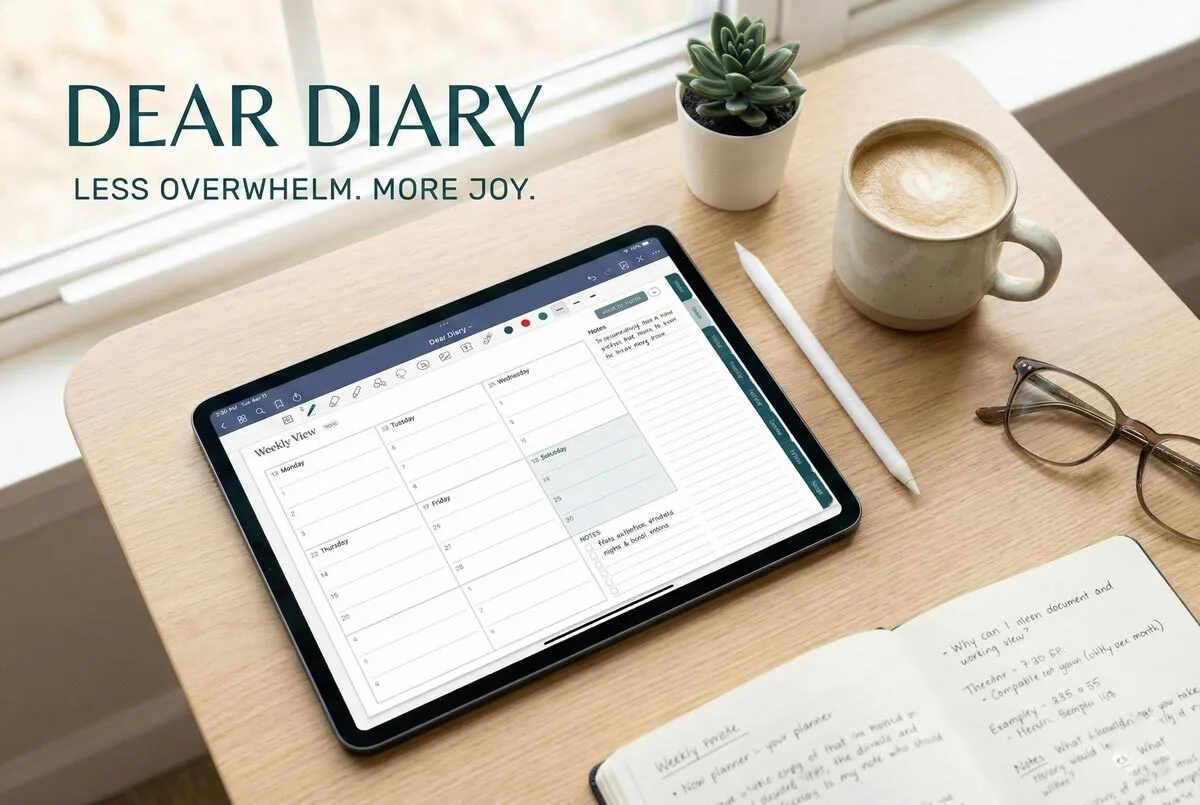
You can absolutely use digital apps for creative journaling. They offer multimedia integration, faster typing, cloud syncing, and privacy features. Apps like Day One or Penzu provide creative tools whilst maintaining convenience and security.
How Long Should Each Creative Journaling Session Last?
Start with 5-10 minute sessions to build your habit without feeling overwhelmed. You can gradually increase to 15-20 minutes daily as you become comfortable. Consistency matters more than duration for creative journaling.
What Should I Do if I Run Out of Ideas?
When you’re stuck, switch mediums—grab markers instead of pens, try sketching with your non-dominant hand, or incorporate ticket stubs and photos. Use observational prompts like documenting overheard conversations or describing textures around you.