The secret isn’t beating procrastination—it’s working with it strategically using planning tools that match your natural tendencies. You’ll need SMART goals with specific deadlines, like “complete sections 1-3 by 2 PM Thursday,” plus techniques like the Pomodoro method‘s 25-minute focussed intervals. Apps like Forest gamify productivity whilst tools like Trello organise complex projects visually. Combine task segmentation with artificial deadlines to create momentum, and you’ll uncover how these systems convert delay into deliberate advantage.
Although millions of people struggle with procrastination daily, most don’t realise they’re fighting the wrong battle entirely. The secret isn’t forcing yourself to stop procrastinating—it’s learning to procrastinate strategically whilst building systems that work with your natural tendencies, not against them.
Here’s what research reveals: active procrastination can actually enhance performance when paired with the right planning tools. Unlike passive procrastination, where you delay tasks out of fear or perfectionism, active procrastination means intentionally waiting until pressure builds ideal focus. Students and professionals using this approach often achieve comparable or superior results to non-procrastinators.
The foundation of beating procrastination lies in SMART goal-setting. Your goals must be Specific, Measurable, Achievable, Realistic, and Time-defined.
Vague objectives like “finish the project” guarantee failure. Instead, try “complete sections 1-3 of the marketing proposal by 2 PM Thursday.” This specificity eliminates ambiguity and creates clear action steps.
Implementation intentions bridge the gap between planning and doing. Create “if-then” statements that systematise your responses: “If it’s 9 AM, then I’ll open my laptop and start writing.” This removes the mental energy required for decision-making and converts intentions into automatic behaviours.
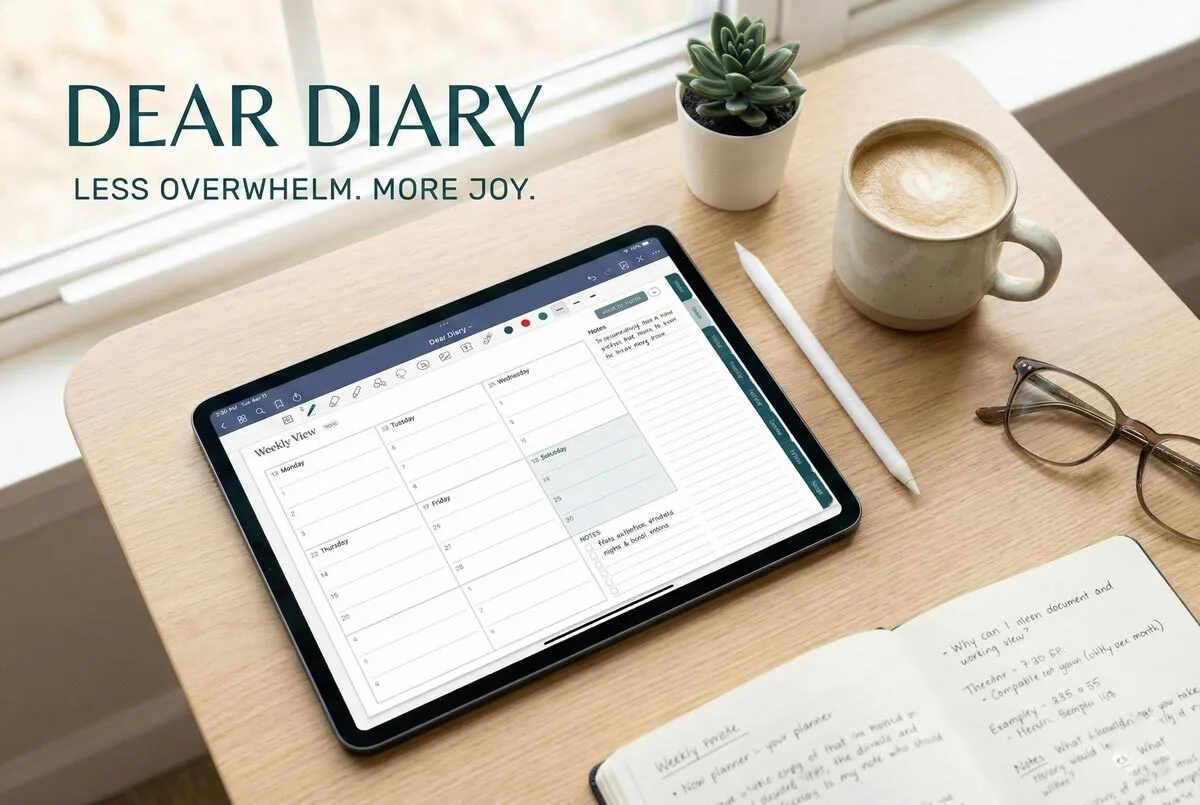
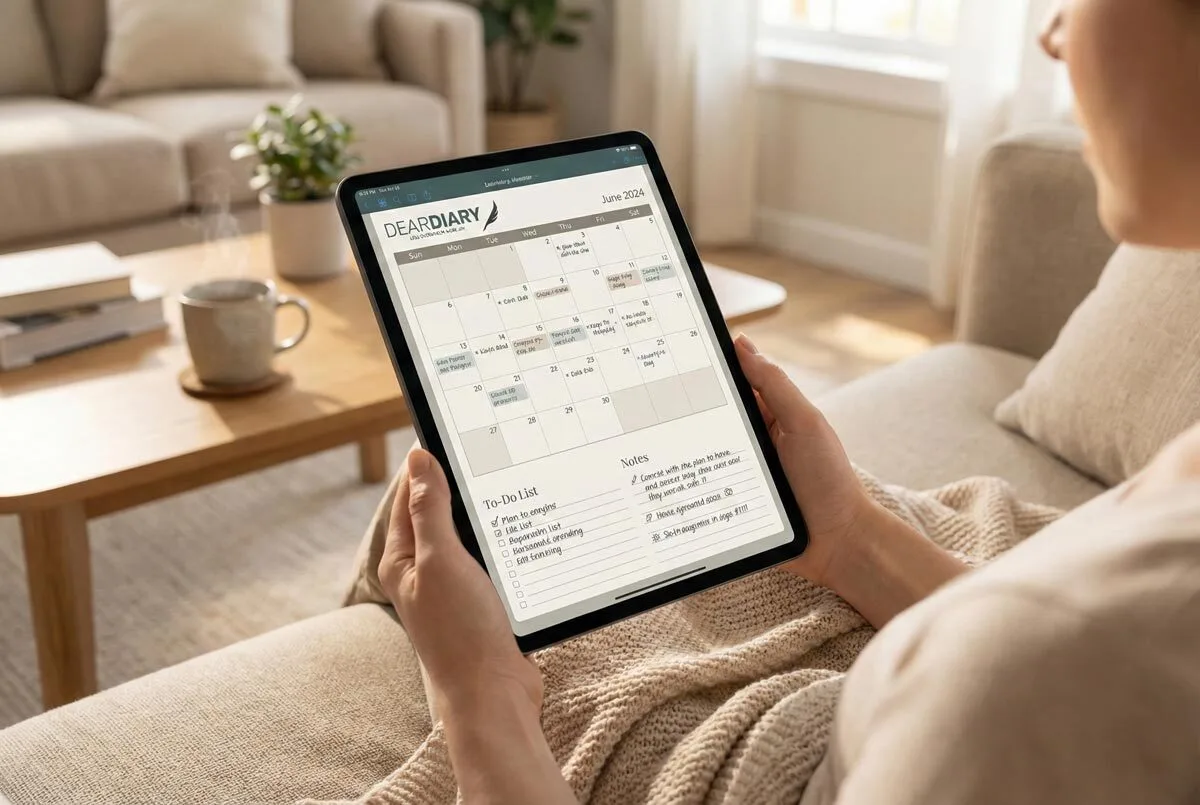
Time management techniques provide structure without suffocating flexibility. The Pomodoro Technique—working in 25-minute focused intervals—boasts a 60% weekly adoption rate because it makes overwhelming tasks feel manageable. The Eisenhower Matrix helps you prioritise by separating urgent-important tasks from mere busywork, with users reporting 50% effectiveness improvements. Digital teacher planners offer comprehensive templates that help educators structure their weekly planning whilst maintaining flexibility for unexpected changes. Considering that 82% of people don’t use any structured time management system, implementing these proven techniques gives you immediate advantage over the majority.
Technology amplifies your planning efforts when used strategically. Apps like Forest gamify productivity by growing virtual trees during focused work sessions. Trello organises complex projects visually, whilst time-tracking tools like RescueTime reveal productivity patterns you didn’t know existed.
The key is choosing tools that complement your workflow rather than complicating it. Digital environments have fundamentally changed how we approach work, with digital devices significantly contributing to increased procrastination rates in modern contexts. Modern digital planners often feature customisable templates that adapt to different teaching styles and subject requirements, making organisation more intuitive.
Task segmentation changes mountainous projects into manageable hills. Break everything into smaller, actionable steps. Instead of “write research paper,” create: “outline main arguments,” “research supporting evidence,” and “draft introduction paragraph.”
Each completed step builds momentum for the next. Research suggests that delaying tasks can prevent wasted effort on work that ultimately becomes unnecessary or irrelevant.
Artificial deadlines create urgency when natural ones don’t exist. Set intermediate milestones throughout long-term projects. Your brain responds to these self-imposed constraints the same way it handles external deadlines—with increased focus and productivity. Comprehensive planners with 581 pages provide enough space for detailed goal tracking and milestone management throughout an entire year.
Habit stacking utilises existing routines to establish new behaviours. Pair challenging tasks with established habits like morning coffee or lunch breaks. This creates automatic triggers that reduce the mental resistance typically associated with starting difficult work. Having dedicated daily routine planning pages helps establish these beneficial habit-stacking combinations more effectively. The combination of habit trackers with daily planning creates powerful accountability systems that help maintain consistent progress towards your goals.
The most successful procrastination-beaters combine multiple strategies rather than relying on willpower alone. They use planning tools to create structure, accept strategic delay when it serves them, and build systems that make starting easier than avoiding. Understanding that self-doubt often triggers procrastination helps explain why these systematic approaches work better than simple time management alone.
Remember: you’re not broken for procrastinating. You just need better tools.
Frequently Asked Questions
What if Planning Tools Make Me Feel More Overwhelmed Instead of Organised?
You’re experiencing tool overload. Simplise through selecting one basic method, ignore perfectionist features, and focus on starting tasks rather than organising them. Complex systems often create more procrastination than they solve.
How Long Should I Spend Daily Using Planning Tools to See Results?
You’ll see meaningful results with just 10-15 minutes daily using planning tools. Start with brief morning setup sessions, then use quick moment-based updates throughout your day rather than lengthy planning blocks.
Which Planning Tool Works Best for People With ADHD or Learning Disabilities?
You’ll find Thruday app excels for ADHD with 5-minute pre-task alerts and parental support features. Combine it with physical planners for tactile reinforcement and visual timers to make time concrete rather than abstract.
Can Planning Tools Actually Increase My Stress Levels and Make Procrastination Worse?
Yes, you’re absolutely right. Planning tools can worsen procrastination by creating rigid schedules, overwhelming task lists, perfectionism pressure, and decision fatigue. Over-planning becomes another form of avoidance that strengthens procrastination habits.
What Should I Do When I Consistently Ignore My Planned Schedules?
You’re experiencing planning fallacy – your brain consistently underestimates task duration. Start tracking actual completion times, involve others in deadline-setting, and build buffer periods into schedules to counter your optimistic bias.